Beirut—The ink on the US-Iran peace deal wasn't dry before the bombs started falling again. On Friday, Lebanon's health ministry reported that Israeli airstrikes killed at least 18 people across southern Lebanon, including three children in a village near Tyre. Hours earlier, Hezbollah fighters killed four Israeli soldiers in a cross-border ambush. So much for the grand bargain.
A cease-fire that wasn't
Thursday's deal between Washington and Tehran was supposed to end their shadow war, including the fighting in Lebanon. But on the ground, nobody told the guns to stop. The strikes hit a residential building in Qana, a market in Nabatieh, and a convoy of ambulances near the Litani River. Israel says it was targeting Hezbollah rocket launchers and command posts. The dead include a medic and two firefighters.
“They call it a peace deal. We call it a piece of paper.” — Hassan Fneish, Lebanese MP
Israel's military confirmed the four soldiers died when a Hezbollah anti-tank missile struck a position near the border fence. It's the deadliest single incident for Israel in months. “We will respond with force,” said an IDF spokesperson. The response came within hours: a wave of airstrikes that lit up the night sky from Naqoura to Baalbek.
Iran's proxy, America's headache
Hezbollah's leadership wasted no time dismissing the US-Iran deal as irrelevant. “The agreement does not bind us,” said Hezbollah deputy chief Naim Qassem in a televised address. “Our resistance continues until the occupation ends.” For Iran, the deal was a lifeline—sanctions relief, frozen assets, a path back to oil markets. But its proxies in Lebanon, Yemen, and Syria operate on their own timetables. Washington may have signed a treaty, but it didn't buy peace.
The US State Department issued a statement urging “all parties to exercise restraint” and calling for an immediate cease-fire. No one in Beirut or Tel Aviv is listening. The UN peacekeeping force in Lebanon, UNIFIL, reported multiple violations of the Blue Line in the past 24 hours. “The situation is extremely volatile,” a UNIFIL spokesperson said. That's diplomatic code for "we're out of bullets and ideas."
The human cost
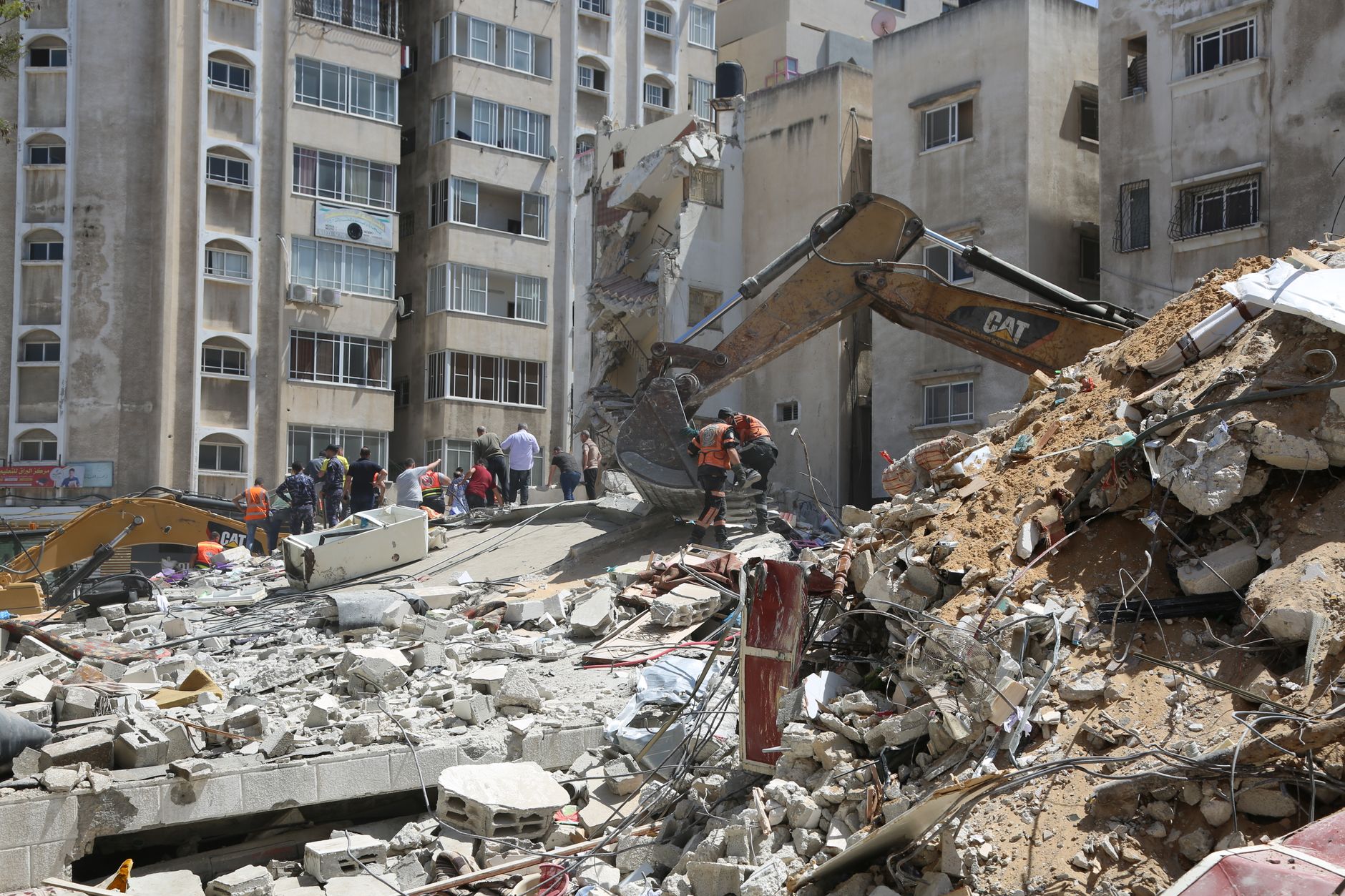
In the village of Qana, the same place where Israeli shells killed 106 civilians in 1996, the cycle repeats. Bodies were pulled from rubble Friday morning: a grandmother, her daughter, three grandchildren. The youngest was two years old. At the hospital in Tyre, the morgue overflowed. Doctors worked by flashlight—the airstrikes had knocked out power again.
“My son is dead. My house is gone. What peace?” asked Umm Ali, a woman in her sixties, standing in the ruins of her home. She held a child's shoe. She wouldn't give her full name. No one in Qana trusts journalists anymore. They've seen too many cameras, heard too many promises.
The deal that didn't change the game
The US-Iran agreement was historic on paper: Iran halts its nuclear program, ceases arms shipments to proxies, and recognizes Israel's right to exist. In return, the US lifts all sanctions and pledges $50 billion in reconstruction aid for Lebanon and Yemen. But the deal had a fatal flaw: nobody asked Hezbollah. The group controls southern Lebanon like a state within a state. It has its own army, its own budget, its own agenda. Washington treated Iran as the puppeteer, but the puppets cut their own strings.
Israel's government is in a bind. Prime Minister Benjamin Netanyahu praised the deal as a “diplomatic victory,” but his military chiefs are demanding the green light for a ground invasion of southern Lebanon. “We cannot tolerate rockets on our towns,” said Defense Minister Yoav Gallant. The cabinet is divided. Some ministers want to use the deal as cover for a decisive blow against Hezbollah. Others fear a repeat of 2006, when a month-long war ended in a stalemate.
What comes next
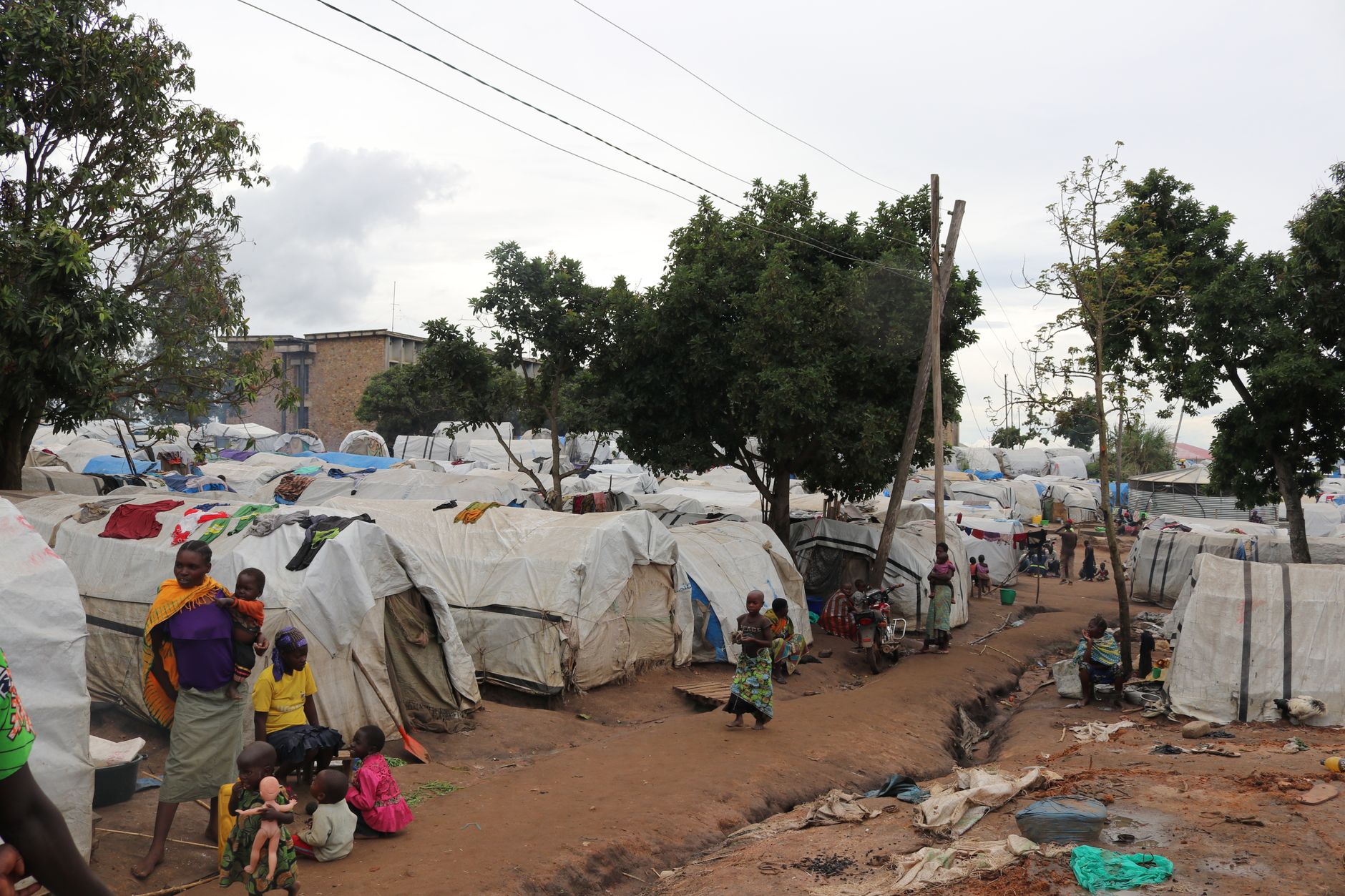
The next 48 hours will be critical. Hezbollah has already fired over 100 rockets into northern Israel, triggering sirens in Haifa for the first time in years. Israel's Iron Dome intercepted most, but a few got through, wounding three civilians. The Israeli Air Force is running sorties around the clock. Troops are massing near the border. On the Lebanese side, roads are clogged with families fleeing south. The UN says 20,000 people have been displaced since Wednesday.
The US-Iran deal was supposed to end this. Instead, it's become a footnote. The real story is written in blood on a hillside in Qana, in the screams of a mother in Tyre, in the cold stare of a soldier checking his rifle. Peace is a piece of paper. War is a fact.