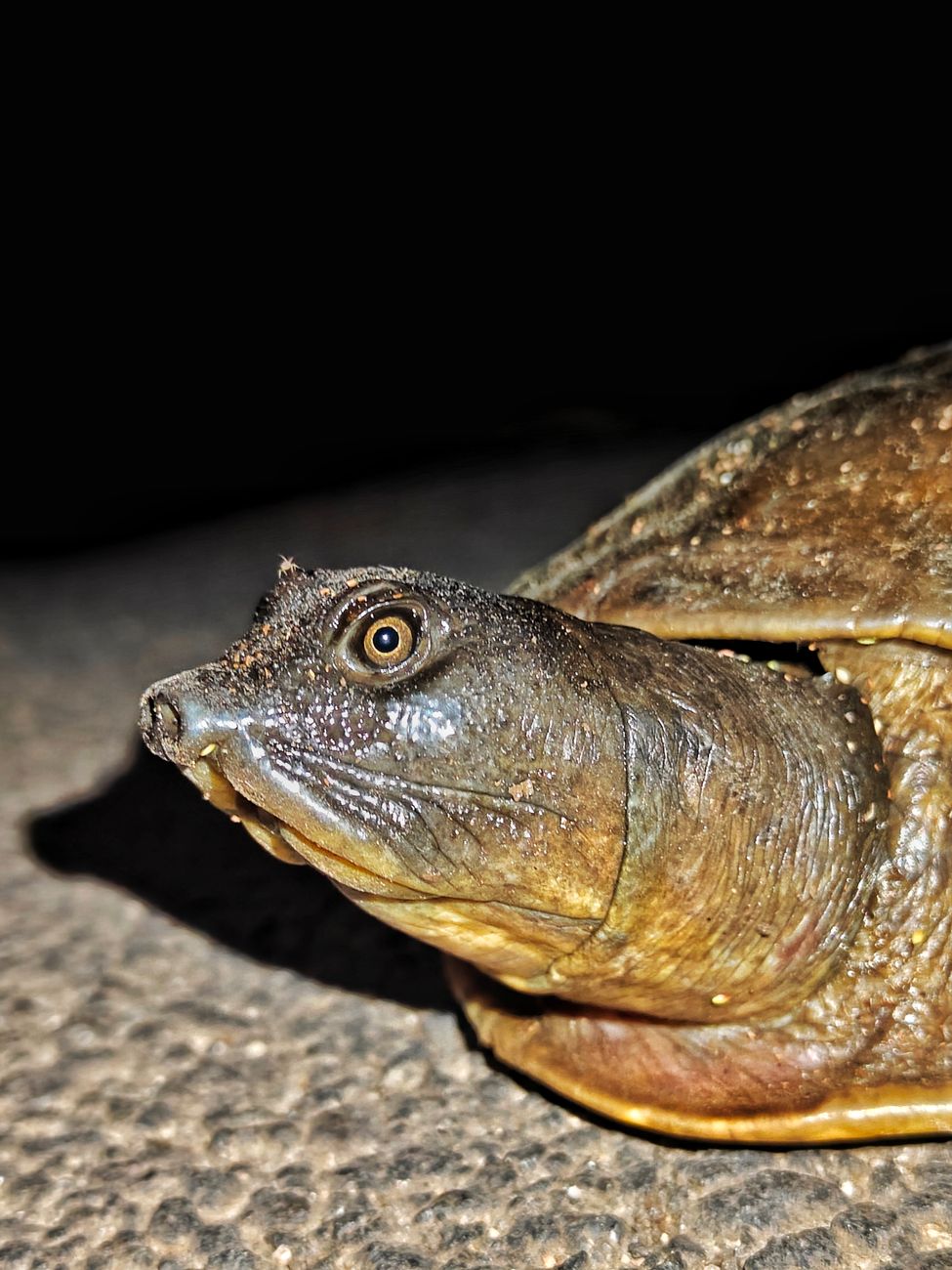
Mona Khalil is dead. An Israeli airstrike saw to that. For more than two decades, the 54-year-old environmentalist patrolled the beaches of southern Lebanon, guarding the nests of endangered sea turtles. She didn't carry a weapon. She carried a flashlight and a clipboard.
The attack happened near Tyre, where Khalil had just finished her nightly patrol. She was heading home when the bombs fell. No warning. No shelter. Just a flash, then silence.
A Life Spent on the Sand
Khalil started her work in 2004, when the green turtle and loggerhead populations along Lebanon's coast were crashing. Poaching, coastal development, and plastic waste had turned their nesting grounds into graveyards.
She walked those beaches every night from May to August. If she found a nest, she marked it, fenced it, and monitored it until the hatchlings made their dash to the sea. Some years she saved more than 200 nests. Each one held up to 120 eggs.
‘She knew every turtle by the tracks they left,’ says Jad El-Hajj, a colleague from the Lebanese environmental group MESHC. ‘She could tell you which beach had the most nests, which moon phase brought the biggest hatchings. She was the turtle woman.’
“She knew every turtle by the tracks they left. She was the turtle woman.”
War Doesn't Discriminate
Southern Lebanon has been a battleground for decades. Hezbollah and Israel trade fire with grim regularity. But Khalil believed her work was above the conflict. Turtles don't care about borders. They don't care about politics.
‘She used to say the turtles were the only true neutrals in Lebanon,’ says her brother, Ali. ‘They just wanted to lay their eggs in peace. Is that too much to ask?’
Apparently, it was. The Israeli military said the strike targeted a Hezbollah weapons cache. But Khalil's home was 300 meters from that target. The blast collapsed her roof. She died instantly.
Human rights groups have condemned the attack. Amnesty International called it a ‘disproportionate use of force in a civilian area.’ The UN special coordinator for Lebanon expressed ‘deep concern.’
But Khalil's family isn't looking for condemnation. They're looking for answers.
The Cost of Conservation in a War Zone
Khalil's death is a grim reminder that environmental work in conflict zones comes with a price. In Gaza, Palestinian farmers have had their olive groves bulldozed. In Ukraine, rangers at the Chernobyl exclusion zone patrol under the threat of landmines. In Yemen, conservationists risk snipers to protect the Arabian leopard.
‘Conservation is supposed to be peaceful,’ says El-Hajj. ‘But when the bombs fall, nobody is neutral. Not even the turtles.’
The irony is brutal: Khalil spent her life protecting creatures that travel thousands of miles across oceans, unbothered by the wars of men. She believed nature could heal, if only we gave it a chance. But humans are better at destruction than healing.
What Happens to the Nests Now?
The 2026 nesting season is in full swing. Khalil had already marked 47 nests along the coast near Tyre. Without her, those nests are vulnerable. Poachers know she's gone. The plastic still washes ashore. The lights from the bombing still confuse the hatchlings, drawing them inland instead of to the sea.
MESHC is scrambling to find volunteers to take over her patrols. But it's not easy. The area is dangerous. The sounds of drones and jets are constant. And the pay? Zero. Khalil worked for free, driven by passion.
‘We need someone crazy enough to walk those beaches at night, with bombs falling, for nothing but a turtle's life,’ says El-Hajj. ‘Who's going to do that?’
Maybe no one. Or maybe someone will step up, because that's what Khalil would have done. She would have shown up, flashlight in hand, and dared the war to stop her.
It finally did.