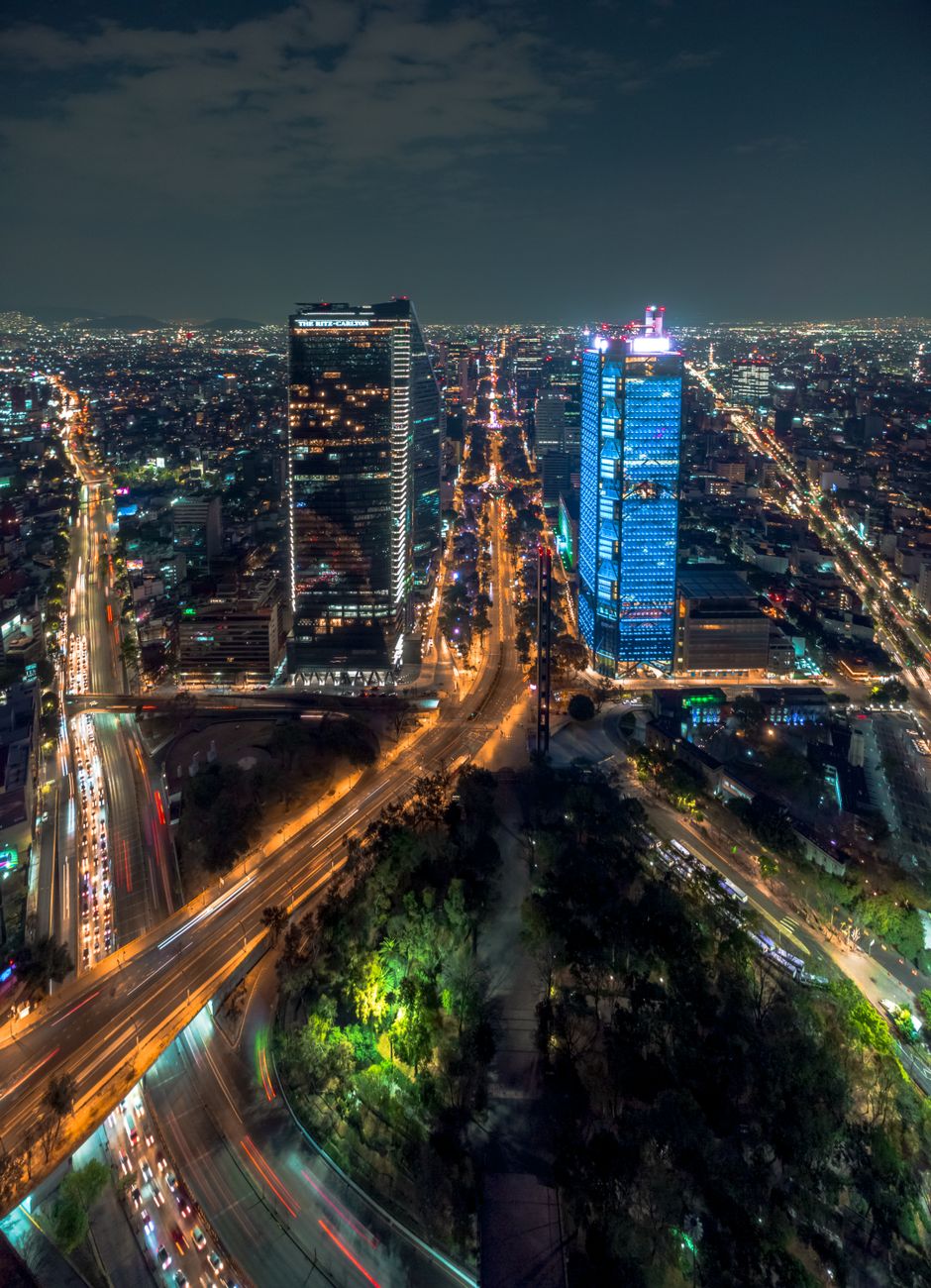
Mexico City woke up with a splitting headache on Friday. Forty tonnes of trash. That's the hangover from a World Cup party that turned the capital's iconic Reforma Avenue into a river of beer cans, plastic cups, and discarded food. The cleanup crews had barely swept the last bottle into a dumpster before city officials announced they're looking to rein in the street drinking that fueled the celebration.
Let's be honest: nobody expected Mexico City to keep its streets pristine during a World Cup. But forty tonnes? That's roughly the weight of four adult elephants. Or, if you prefer, the equivalent of every fan who watched the match tossing a full liter bottle onto the pavement. The city's historic center, normally a place of colonial grandeur, looked like a frat house after a three-day bender.
The Party That Got Out of Hand
It started innocently enough. Fans gathered to watch the match on giant screens. Then came the chants, the hugs, the tears of joy or despair. And, of course, the alcohol. Street vendors hawked beer and mezcal like there was no tomorrow. By the final whistle, Reforma Avenue was less a boulevard and more a sticky, slippery obstacle course.
The city's sanitation department worked overtime. They deployed 1,200 workers and 80 vehicles to clear the mess. But the damage was done—not just to the streets, but to the city's reputation as a host. Tourists snapped photos of garbage mountains. Locals shook their heads. And the government, sensing a PR crisis, moved fast.
"We cannot allow these spaces to become places of excess and waste," said Claudia Sheinbaum, Mexico City's mayor, in a statement that sounded like a parent trying to be stern after a teenager's wild party.
A Crackdown Brewing
The proposed regulations are still vague, but the direction is clear: fewer beer carts, tighter controls on public drinking, and maybe even designated fan zones where the party can rage without trashing the whole city. Critics call it overreach. They point out that street drinking is part of Mexico's culture—from the pulquerías to the cantinas to the street-corner michelada stands. "You can't just turn off tradition," says Carlos Velázquez, a historian at UNAM. "The World Cup is a release valve. People need to blow off steam."
But the steam left a stain. The question is whether Mexico City can find a middle ground—a way to let fans celebrate without leaving a disaster zone in their wake. Other cities have tried. London after England matches. Berlin after Germany games. The results are mixed. Fan zones work, but they can feel sterile. Street parties are authentic, but they're messy. You can't have your churro and eat it too.
The Numbers Game
Forty tonnes is a big number, but context matters. The city produces about 13,000 tonnes of waste daily. So this party added roughly 0.3% to the daily total. Not catastrophic. But it was concentrated in a small area, and the optics were terrible. Social media lit up with before-and-after photos. "World Cup 2026: The Beautiful Game, Ugly Cleanup," one tweet read.
The city's response has been swift, but it's also predictable. Crackdowns after big events are a classic move: show the public you're doing something. But the underlying problem—a lack of infrastructure for massive gatherings—won't be solved by banning beer sales on Reforma. If you push the party to the outskirts, you just move the mess somewhere else. If you try to police every street corner, you'll need an army of officers.
What's Really at Stake
This isn't just about garbage. It's about what kind of city Mexico City wants to be. The capital has undergone a remarkable transformation in the last decade. Bike lanes, parks, cultural centers. It's cleaner, safer, more cosmopolitan. But the World Cup exposes the tension between that polished image and the raw, unscripted joy of a city that loves to party.
Maybe the answer isn't a crackdown. Maybe it's better planning—more trash cans, more portable toilets, more cleaning crews on standby. Or maybe it's accepting that a city of 22 million people will occasionally look like a mess. After all, the World Cup is every four years. Mexico City has hosted it before and survived. It will survive this one too.
The Verdict
Mexico City's attempt to rein in street drinking is a classic political maneuver: show strength after a crisis. But the real test will come in the weeks ahead, when the cleanup crews have gone home and the beer carts have moved to a different block. Will the city invest in better infrastructure? Or will it just issue fines and hope for the best?
For now, the fans have moved on. The next match is in a different city. But the 40 tonnes of trash remain—a monument to a night of joy and a headache that won't go away.