It's safe to order the salad again in Michigan. That's the official word from state health officials, who on Thursday said the cyclospora outbreak that turned the state into the epicenter of a national foodborne illness scare has finally quieted down.
The numbers back them up. New cases have been falling for weeks, and the state's public health department says the worst is behind them. But don't pop the champagne just yet — this outbreak was a mess, and the scars are still fresh.
Michigan found itself in the crosshairs of a parasite that hitchhikes on fresh produce, and for a while, it felt like every bag of salad was a game of Russian roulette. The state had more than 200 confirmed cases of cyclosporiasis, the infection caused by the microscopic parasite Cyclospora cayetanensis. That made it the hardest-hit state in the nation, a dubious distinction that no one wanted.
The Lettuce That Launched a Thousand Fears
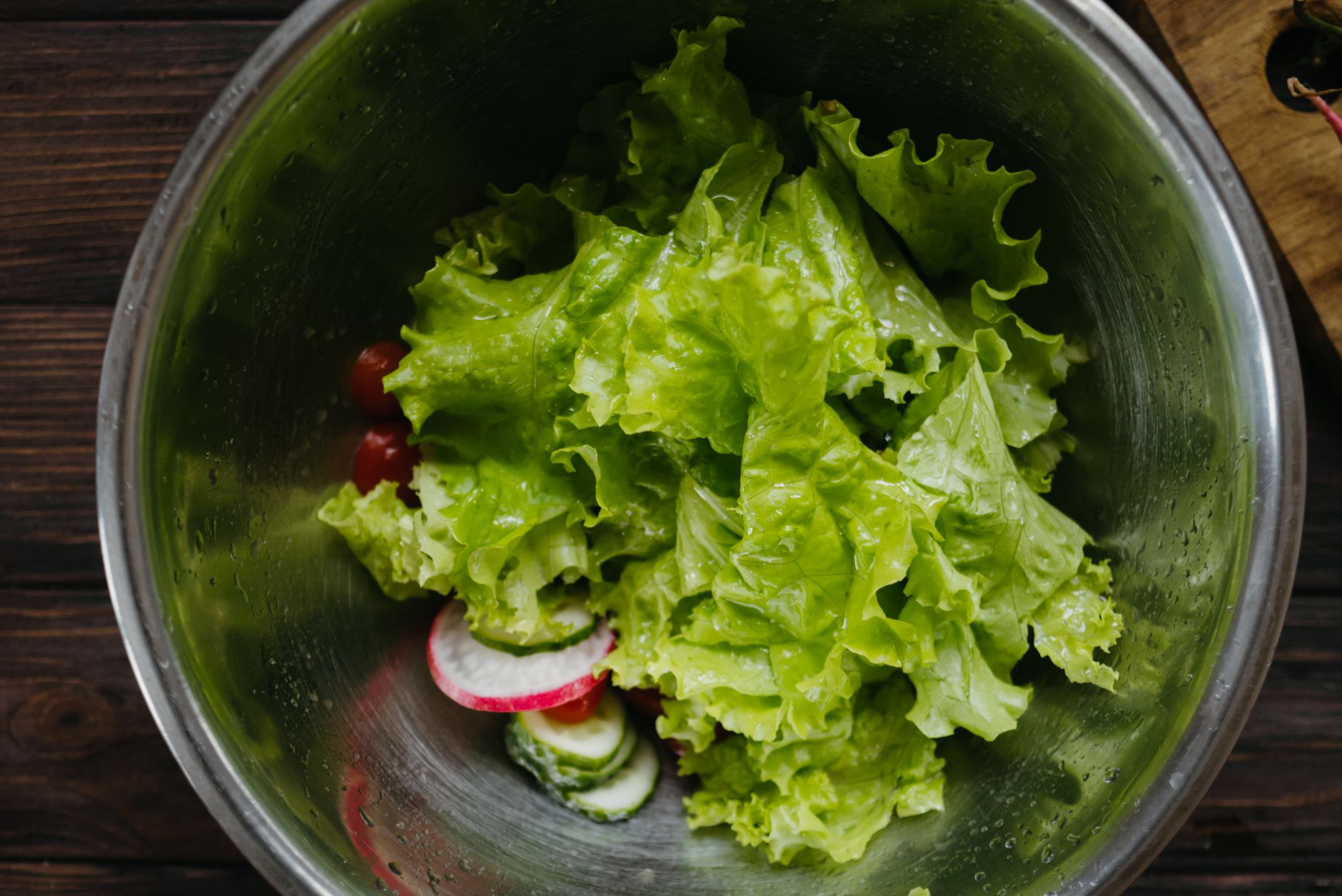
The culprit was eventually traced to contaminated salad greens — the kind that goes into those pre-washed, ready-to-eat bags that busy people grab without a second thought. The U.S. Food and Drug Administration and the Centers for Disease Control and Prevention launched a joint investigation, and while they stopped short of naming a specific brand or grower, the message was clear: bagged salads were the prime suspect.
For weeks, consumers were advised to wash their greens thoroughly, and in some cases, to avoid them altogether. Michigan's restaurants saw salad orders plummet. Grocery stores pulled certain products off shelves. And the state's agriculture industry, already reeling from a series of food safety crises in recent years, took another hit to its reputation.
It wasn't just Michigan. The outbreak spread to at least 15 states, with hundreds of cases reported nationwide. But Michigan bore the brunt, and the state's health officials were under intense pressure to get a handle on the situation.
A Parasite That Punches Above Its Weight
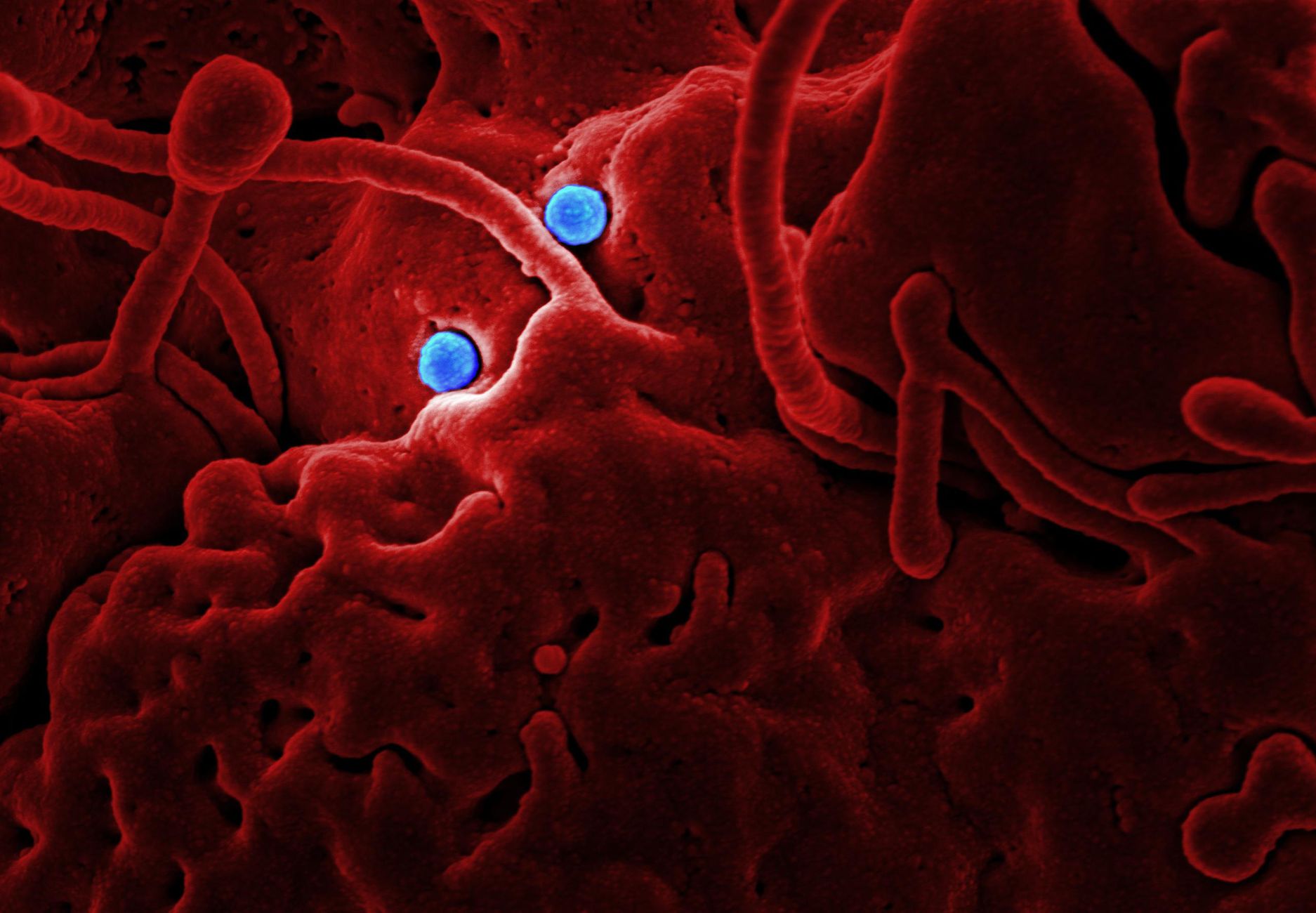
Cyclospora is a nasty little bug. It's not like salmonella or E. coli, which get all the headlines. Cyclospora is a single-celled parasite that takes its sweet time to wreak havoc. The incubation period can be a week or more, which makes it a nightmare for public health investigators trying to trace the source. By the time someone gets sick, they've long forgotten what they ate.
The symptoms are brutal: watery diarrhea, cramping, bloating, nausea, and fatigue. It can last for weeks if untreated, and even then, relapses are common. For people with compromised immune systems, it can be life-threatening. It's not the kind of thing you want to gamble on.
And here's the kicker: the parasite doesn't respond to most antibiotics. The treatment of choice is a combination of trimethoprim and sulfamethoxazole — the same drug used for urinary tract infections — and it's not always readily available. So there's a real human cost to this outbreak, beyond the case counts.
The All-Clear, With Conditions
So when Michigan's Department of Health and Human Services announced that the outbreak was waning, it was a relief. But the announcement came with a caveat: the investigation is ongoing, and the source hasn't been definitively identified. That means the risk hasn't completely disappeared.
The state's chief medical executive, Dr. Natasha Bagdasarian, said in a statement that while the decline in cases is encouraging, "we are not out of the woods yet." She urged consumers to continue following basic food safety practices, like washing produce thoroughly and refrigerating perishables promptly.
That's the kind of cautious language you expect from public health officials, but it also reflects a deeper truth: foodborne illness outbreaks are a recurring nightmare, and the system that's supposed to protect us is often reactive rather than proactive.
The Blind Spot in Our Food System
Let's be real. The fact that a parasite can slip into the national food supply and sicken hundreds of people before anyone catches on is a systemic failure. The FDA's Food Safety Modernization Act was supposed to prevent this by shifting the focus from responding to outbreaks to preventing them. But the reality is that our food system is a global web, and a single contaminated field on the other side of the world can end up on our dinner plates.
And it's not just cyclospora. We've seen outbreaks of salmonella in peanut butter, listeria in cantaloupe, and hepatitis A in frozen berries. Each time, the pattern is the same: people get sick, the government investigates, and the source is eventually traced to some farm or processing facility that had a lapse in sanitation.
The question is whether we're actually learning from these episodes. The FDA has been pushing for more traceability in the food supply chain, but the industry has been slow to adopt it. And with each new outbreak, consumers are left to fend for themselves — washing this, avoiding that, and hoping for the best.
What This Means for You
If you live in Michigan, the immediate threat has passed. But the broader issue remains. The next outbreak is always lurking, and it's not a matter of if, but when.
So go ahead, enjoy your Caesar salad. But maybe think twice before you grab that pre-bagged spinach without giving it a rinse. And if you start feeling queasy a week later, don't ignore it — cyclospora is treatable, but only if you get diagnosed early.
In the meantime, let's hope the FDA and the industry actually do something about the structural problems that allowed this to happen. Because the last thing we need is another summer of salad-induced paranoia.