So it's official. Dr. Marcus Schwartz is the new director of the CDC, confirmed after a confirmation hearing that can only be described as a train wreck. He stumbled, he evaded, he looked like a guy who'd rather be anywhere else. And the Senate still gave him the keys to the castle.
Here's the thing: Schwartz is legitimately qualified. Decades in public health, stints at the NIH, a reputation that would make most epidemiologists weep with envy. On paper, he's the right man for the job. But the hearing? It was a bloodbath, and not the kind that ends with a hero standing in the rubble.
The Hearing That Made You Cringe
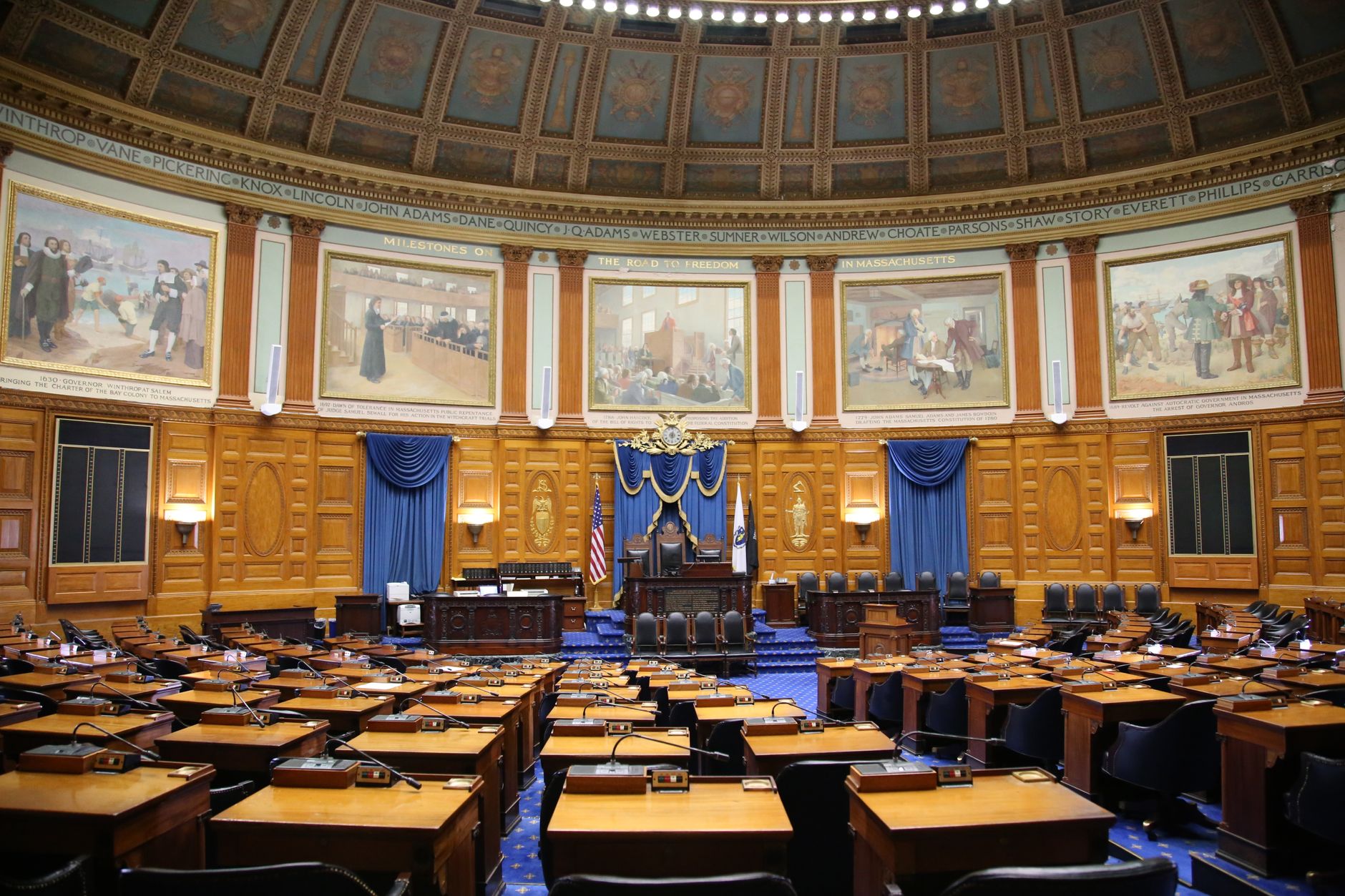
From the opening gavel, Schwartz was on his heels. Senator Patricia Lin, the committee's ranking member, didn't even wait for the pleasantries. She went straight for the jugular: "Dr. Schwartz, in 2021, you co-authored a position paper that questioned the efficacy of school closures during the pandemic. Do you still believe that?"
Schwartz shifted in his seat. "Well, Senator, I think it's important to consider the full context of—"
"The context is that millions of kids lost a year of learning," Lin shot back. "And your paper appeared to minimize that."
That set the tone. Over the next three hours, Schwartz dodged questions about vaccine mandates, fumbled a query about state versus federal authority, and at one point, he literally forgot the name of the director of the National Institute of Allergy and Infectious Diseases. He apologized, blamed nerves, but the damage was done.
"You can be the smartest person in the room, but if you can't handle a Senate hearing, how do you handle a pandemic?" — Dr. Rachel Okafor, former CDC official
And yet, the vote was 52-48, with three Republicans crossing the aisle. Why? Because the alternative was nothing. The CDC has been rudderless for six months after the previous director resigned in scandal. The agency is underfunded, understaffed, and facing a public that trusts it less than ever. Schwartz was the only game in town, and the Senate knew it.
What His Confirmation Says About Us
Let's be real here. The fact that Schwartz got confirmed despite that performance tells you everything about the state of American governance. We're so desperate for stability in public health that we'll overlook a candidate who looked like he was being waterboarded by a Senate subcommittee.
It's not that Schwartz is a bad pick—he's not. It's that his confirmation process was a mess, and that mess is a symptom of a deeper rot. The CDC has become a political football, kicked around by every administration that wants to score points on masks or boosters or whatever's trending on Twitter that week. And the person who's supposed to lead it? They need to be a political gladiator, not just a scientist who's good at lab work.
Schwartz is a scientist. He's not a politician. And that's fine—mostly. The problem is that the CDC director role today is as much about communications and politics as it is about science. You need to be able to stand at a podium and explain complex data to a nation that's terrified and suspicious. You need to have the spine to tell a president "no" when they want to downplay a surge.
Can Schwartz do that? After the hearing, you have to wonder. He looked like a guy who folds under pressure, and in a crisis, that's the worst trait you can have.
The Elephant in the Room: His Record
Let's talk about what Schwartz actually believes. His paper on school closures—the one Senator Lin hammered him on—was actually more nuanced than the clips suggested. He didn't say closures were useless; he said the evidence was mixed and that the psychological toll on children was underappreciated. That's a defensible position, even if it's unpopular with the teachers' unions.
But in the hearing, he couldn't defend it. He mumbled about "balancing public health priorities" and "stakeholder engagement," which is bureaucrat-speak for "I don't want to answer your question." It was painful to watch. A guy with his credentials should have been able to take that question and hit it out of the park. Instead, he bunted.
His record on vaccine mandates is similarly mixed. He's publicly supported them, but in the hearing, he dodged a direct question about whether he'd push for federal mandates in the next outbreak. "I believe in evidence-based approaches," he said, which could mean anything or nothing.
And that's the core issue. Schwartz's views seem reasonable, but his inability to articulate them under fire is a liability. The next pandemic won't wait for him to find his talking points.
Why the Senate Confirmed Him Anyway
Here's the dirty truth: the Senate confirmed Schwartz because they had no choice. The public health infrastructure is crumbling, and leaving the CDC leaderless was untenable. Every day without a director meant another day of chaos, another day of states making their own rules with no federal guidance.
Senator Robert Hale, a Republican who voted for Schwartz, put it bluntly: "We can't afford to play games. The agency needs a leader, and this man is qualified. The hearing was rough, but so is the job."
Rough is right. Schwartz is stepping into a role where his every word will be picked apart by a hostile media and a distrustful public. The CDC's reputation is at an all-time low, and the next public health crisis is a ticking bomb.
Schwartz has the pedigree, but does he have the skin? His confirmation hearing suggests he doesn't. But here's the thing: hearings don't predict performance. Some of the best directors in history were lousy at testifying. It's a weird skill, performing for politicians.
"A hearing is theater. The real work happens in the dark, when no one's watching." — Former CDC deputy director (anonymous)
Schwartz's real test won't be a Senate chamber. It'll be the moment a new virus emerges and he has to decide, in real-time, what to tell the American people. Will he be decisive? Will he be transparent? Or will he freeze up like he did when Senator Lin asked about school closures?
The Stakes Couldn't Be Higher
Let me paint you a picture. It's 2027. A new strain of avian flu jumps to humans in Southeast Asia. It's spreading fast, and it's got a fatality rate that makes the early COVID strains look like a common cold. The president calls Schwartz into the Oval Office and asks, "What do we do?"
If Schwartz starts stammering about "data-driven approaches" and "multidisciplinary synergies," we're all in trouble. If he says, "Here's the plan, here's what we need, and here's what I'm going to tell the public," then maybe we're okay.
The Senate didn't need to see him ace a confirmation hearing. They needed to see a glimpse of that steel. They didn't get it. And they confirmed him anyway because the alternative was worse.
So here we are. Schwartz is in charge of the CDC. He's a smart guy with good intentions, but he's entering a battlefield with a butter knife. The politics of public health are brutal, and the public's trust is fragile. He's already behind the eight ball.
What Schwartz Needs to Do Now
First, he needs to hire a communications director who can do the talking. He can't be the one to face the press if he's going to sweat through his shirt every time. Let someone else be the face, and let Schwartz be the brains behind the scenes.
Second, he needs to make a big public gesture to rebuild trust. Maybe that means visiting a rural county with low vaccination rates and actually listening to people. Not a photo op—a real conversation. He needs to show that he's not just a D.C. insider in a lab coat.
Third, he needs to hold a press conference and address the elephant in the room: his own hearing. "I messed up," he should say. "I was nervous, I was scared of saying the wrong thing, and I let the American people down. But I won't let that happen again."
That kind of honesty might actually work. People are tired of politicians who never admit a mistake. If Schwartz can show some humility, he might earn a sliver of the trust that the CDC has lost.
The Verdict
Schwartz's confirmation is a gamble. A smart bet, maybe, but a gamble nonetheless. He's got the resume, but the job demands more than a resume. It demands guts, charisma, and an ability to communicate with a terrified public.
I want to believe he'll rise to the occasion. I want to believe that the man who stumbled in front of the Senate is not the man who'll be making decisions in a crisis. But I've seen too many bright people crumble under the weight of a pandemic to be optimistic.
The next public health emergency is coming. It always does. When it hits, we'll find out if Schwartz is a leader or just a guy with a framed diploma on his wall.
I'm not holding my breath.