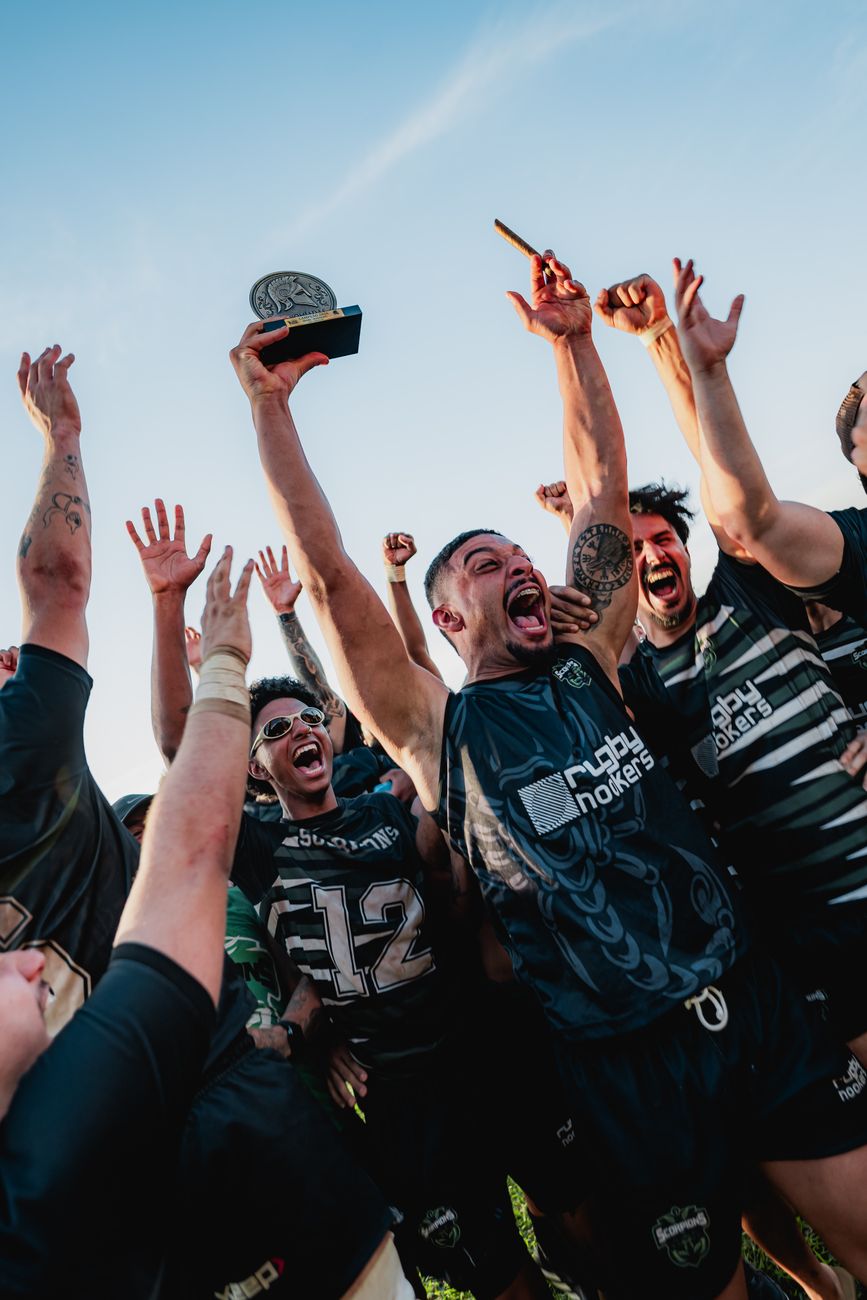
GLASGOW — For a nation that has waited 28 years to feel this again, the sound was deafening. Not the final whistle, but what came after. A collective roar from 40,000 throats in Hampden Park, and from millions more packed into cafés, living rooms, and street corners from Casablanca to Marrakech.
Morocco is back at the World Cup, and they didn't just show up. They announced themselves with a 2-1 win over Scotland that was equal parts grit and grace. This wasn't a fluke. This was a statement.
The Moment That Changed Everything
The match turned in the 67th minute. Scotland had pushed, pressed, and pinned Morocco back for the first 20 minutes of the second half. The equalizer felt inevitable. Then Achraf Hakimi did what he does — intercepted a lazy pass, drove 40 yards, and slipped a through ball that sliced the Scottish defense like a hot knife.
Youssef En-Nesyri didn't hesitate. One touch to set, another to bury. The net rippled, and Morocco's World Cup campaign suddenly had wings.
But here's the thing about this Moroccan team: they don't just defend leads. They hunt for more. In the 83rd minute, substitute Sofiane Diop put the game to bed with a curling shot that kissed the post on its way in. Scotland pulled one back in stoppage time, but it was too little, too late.
"We've waited a generation for this. The boys played like lions." — A fan in Casablanca
This Is Not Your Father's Morocco
Remember 1998? Morocco beat Scotland 3-0 in Saint-Étienne, then crashed out in the group stage. That team had talent — Hadji, Bassir, Chippo — but lacked the tactical discipline to go deep.
This team is different. Coach Walid Regragui has instilled a system that's both pragmatic and daring. Against Scotland, Morocco absorbed pressure without panic, broke with purpose, and defended set pieces with the desperation of a team that knows every point matters.
The numbers tell the story: 54% possession, 14 shots, 6 on target. But the real stat is this — zero yellow cards. Discipline. Composure. That's what wins knockout games.
The Road Ahead
Morocco now sits atop Group F with three points. Next up: a dangerous Uruguay side that drew 1-1 with South Korea. Then a clash with the Koreans themselves. Neither game will be easy, but this win changes the math.
A draw against Uruguay would put Morocco on four points. A win would all but guarantee passage to the round of 16. And once you're in knockout football, anything can happen. Ask Croatia, who reached the final in 2018 after a group-stage scare.
The fans know it. In the streets of Rabat, they're already dreaming of deep runs. "Quarterfinals, at least," says Ahmed, a 34-year-old taxi driver. "This team has heart. They don't know when to quit."
Why This Win Matters Beyond the Scoreboard
Morocco's last World Cup appearance was in 1998. For an entire generation of Moroccans, the tournament has been something they watch, not something they're part of. The wait has been agonizing — near misses in qualifiers, administrative chaos, and the bitter taste of what-ifs.
This win changes the narrative. It says: We belong here. It says: We can compete. It says: The dream is alive.
For the Moroccan diaspora — and there are millions of them across Europe — this is more than football. It's identity. It's proof that the country they left, or their parents left, can stand among the best.
And for Scotland, a painful lesson. They dominated stretches of the game, created chances, and had the crowd behind them. But football rewards ruthlessness, and Morocco had it in spades.
The Verdict
One game does not a champion make. But one game can ignite a belief that carries a team far beyond expectations. Morocco has that now. They have three points, a clean sheet against a tough opponent, and the knowledge that they can win ugly when needed.
The knockout rounds are still distant, still theoretical. But in the alleys of Fes and the boulevards of Tangier, the theory is already being debated over mint tea and couscous. The dream is real.
And it's spectacular.