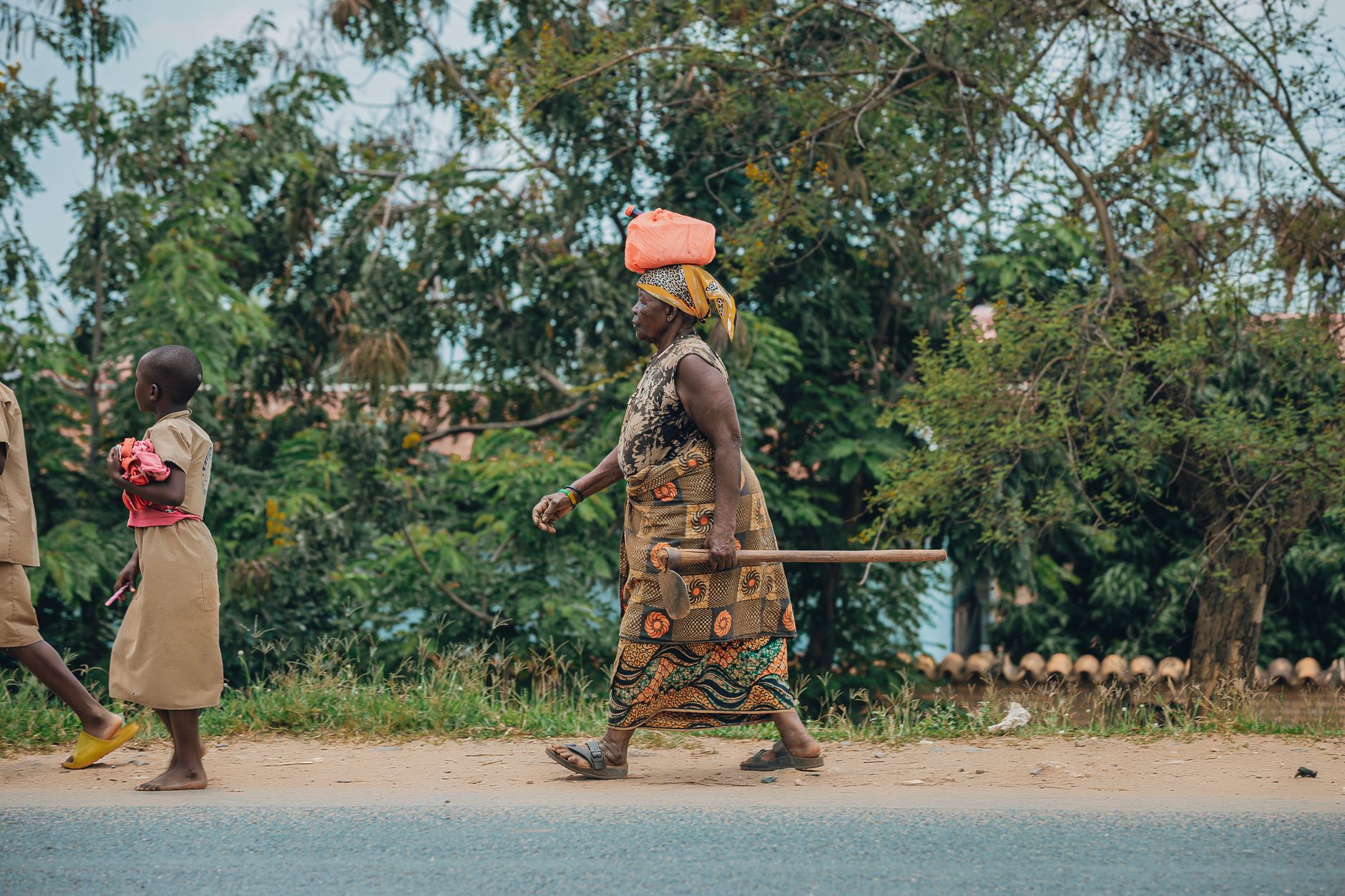
MAIDUGURI — The first time Aisha saw her nephew with a gang, he was 14 and holding a machete. She didn't call the police. She didn't scream. She sat him down and told him a story about her own brother, who died in a reprisal attack. Then she made him tea. That moment, quiet and unglamorous, is the frontline of a war most Nigerians don't see. And the soldiers are women.
The Kitchen Table Strategy
For years, northeastern Nigeria has bled from two wounds: Boko Haram's insurgency and the gang violence that fills the vacuum. Young men, jobless and angry, turn to groups like 'Sara Suka' — Hausa for 'they enjoy stabbing.' The government's response is predictable: raids, curfews, and the occasional amnesty. It doesn't work.
But something else does. Women are sitting at kitchen tables, in mosques, at market stalls, and talking. Not lecturing. Talking. They share their own losses, their fears, their hopes. They ask the boys one question: 'What do you want?' And then they listen.
'We don't have guns. We have stories. And stories cut deeper than machetes.' — Aisha Mohammed, community organizer in Maiduguri
It sounds soft. It's not. These women walk into neighborhoods where police won't go. They negotiate truces between rival gangs. They shelter boys who want out, hiding them from their former friends. They've been threatened, beaten, and once, a woman named Fatima had her house burned down. She rebuilt it and kept talking.
Numbers That Don't Lie
The results are striking. In three wards of Maiduguri where women's groups are active, gang-related injuries dropped 40% in 2025, according to local hospital records. Youth arrests fell by a third. The police commissioner, a man who initially dismissed the women's efforts as 'sentimental,' now quietly credits them with keeping the peace during last year's fuel crisis.
This isn't charity. It's strategy. The women know that gang violence isn't random evil — it's a response to poverty, trauma, and the absence of any other path to respect. So they offer respect first. They treat a 16-year-old with a rap sheet as a person worth saving. That alone is revolutionary.
The Government's Blind Spot
The Nigerian state spends billions on security. It builds walls, buys drones, and deploys soldiers. But it doesn't build trust. The women do, for free. They have no office, no budget, no official mandate. They have only their credibility, earned through years of burying sons and feeding neighbors.
Yet they're ignored by policymakers. At a recent peace summit in Abuja, not a single woman from the grassroots was invited to speak. The panel was all men — generals, academics, politicians — talking about 'community engagement' as if it were a PowerPoint slide. The women back in Maiduguri laughed when they heard. They're used to being invisible.
Why It Works
There's a deeper truth here. Gang violence is often about masculinity — proving you're tough, that you matter. The women's approach doesn't challenge that head-on. Instead, they offer a different version of strength: surviving loss, feeding your family, protecting your community. It's a quiet redefinition of what it means to be a man.
Take Bello, 19. Two years ago, he was a Sara Suka enforcer. Now he's learning welding, paid for by a women's cooperative. 'They didn't judge me,' he says. 'They just said, 'You can be more.' I didn't know that was possible.'
That's the pivot. The women don't just stop violence — they replace it with something else. A skill. A purpose. A future.
The Road Ahead
This model is fragile. It depends on a handful of exhausted, underpaid women. It gets no government support. It's already spreading to other states — Yobe, Adamawa, even parts of the southwest — but it could collapse without resources.
The question is: will anyone notice? Or will we keep waiting for the next massacre, the next viral video, before we admit that the people actually fixing things are the ones we never see?
I'll tell you this: if you want to understand Nigeria's future, don't look at the presidential villa. Look at a woman in a dusty compound, making tea for a boy with a machete. She's the one holding the line.
And she's winning.