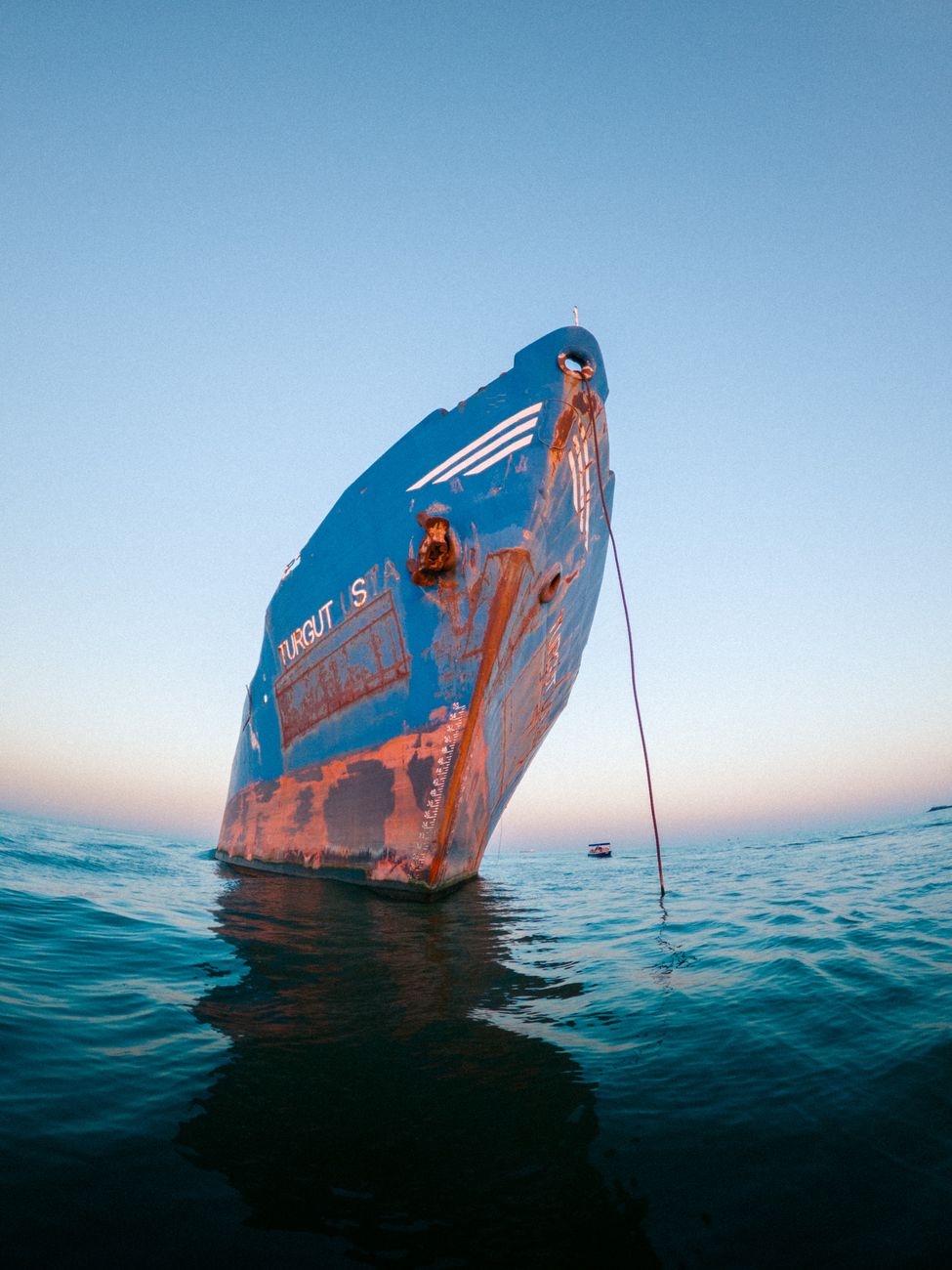
The Strait of Hormuz just became a war zone. A missile strike on a cargo ship this morning killed the evacuation plan and sent oil prices skyrocketing. Brent crude shot past $95 a barrel, the highest in eight months, as tanker traffic ground to a halt and insurance rates tripled.
The attack hit the MT Gulf Horizon, a Liberian-flagged tanker carrying crude from Iraq. Witnesses reported a fireball and a plume of black smoke visible from the Iranian coast. The crew abandoned ship; two sailors are missing. No group has claimed responsibility, but the pattern points to a drone or anti-ship missile—hardware Iran's proxies have used before.
The World's Most Dangerous Chokepoint
About 20 million barrels of oil pass through the Strait of Hormuz every day. That's a fifth of global consumption. When that pipe gets dented, the whole world feels the pressure. This isn't the first attack—remember the tanker sabotage in 2019, the US drone shootdown in 2020? But this one is different. It didn't just rattle nerves; it broke the system.
Within hours, the Saudi oil giant Aramco halted all shipments through the strait. The UAE followed. Even the US Navy's Fifth Fleet advised commercial vessels to avoid the area. The result: an instant supply gap that sent traders into a frenzy. The premium for immediate delivery over future contracts—the so-called 'super-backwardation'—hit levels not seen since the Libyan civil war.
"This is not a drill. The Strait of Hormuz is effectively closed for business," said a senior shipping executive who refused to be named, fearing reprisals. "We're looking at weeks, not days, before normal operations resume."
Why This Time Is Different
Previous incidents in the strait were often skirmishes—a minesweeping operation here, a brief detention there. This was a direct strike on a commercial vessel with no warning. The ship's captain reported a series of explosions. The hull was breached. That's a level of escalation that screams: nobody is safe.
The math is brutal. If the strait stays closed for a week, the world loses 140 million barrels of supply. Strategic reserves—the US Strategic Petroleum Reserve, China's stockpiles—buy time, but not much. The US holds about 375 million barrels. That's less than three weeks of typical imports. China's reserves are even thinner relative to demand.
Meanwhile, the war-risk insurance premium for a single tanker transiting the strait jumped from $10,000 to $200,000 per voyage. That cost gets passed straight to the pump. Expect gasoline prices to spike in the US by 15 to 20 cents a gallon within a month—and that's the optimistic forecast.
The Geopolitics Behind the Attack
Iran's Revolutionary Guard has long threatened to close the Strait of Hormuz. They call it a 'legitimate response' to Western sanctions. But this attack smells like a proxy operation designed to test the limits. Iran itself denied involvement, but their finger-pointing at the US and Israel was textbook deflection.
The timing matters. Evacuation plans for foreign nationals from the region were already in motion after weeks of escalating rhetoric. This attack effectively torched any diplomatic off-ramp. The US Navy is now pulling warships closer to the strait. An Iranian speedboat swarm could turn the waterway into a shooting gallery.
"We are one miscalculation away from a full-blown naval confrontation," said retired Admiral James Stavridis. "The world's oil supply is now a hostage to trigger-happy commanders."
The Economic Dominoes
Oil at $95 isn't just a headline. It's a tax on the global economy. Airlines will raise fares. Trucking companies will impose surcharges. Factories that rely on petrochemicals will trim output. Every central banker just got a new headache: higher inflation, slower growth—stagflation lite.
European nations, already grappling with energy costs from the Russia-Ukraine war, now face a double whammy. Asian importers like Japan and South Korea have no choice but to scrounge for alternative supplies from the Atlantic basin—at a punishing premium.
The one winner? US shale producers. They've been idling rigs due to low prices. Now they can ramp up again, though it takes months to bring new wells online. In the short term, the market is stuck.
What Happens Next
Three scenarios: One, the strait reopens in days after diplomatic back-channels calm things down—unlikely given the blood on the deck. Two, a protracted closure of a few weeks forces the US to tap reserves and pressure allies into releasing stockpiles. Three, the conflict escalates into a direct US-Iran exchange, sending oil above $120 and triggering a global recession.
Scenario two looks most probable. But probability doesn't comfort traders. They're pricing in chaos. The evacuation plan that got halted? It was supposed to pull out non-essential personnel from Bahrain and the UAE. Now the planners are scrambling to restart it—only harder, faster, with fewer options.
The Strait of Hormuz attack is a wake-up call. The world's oil supply hangs on a thread, and that thread just snapped. Buckle up.