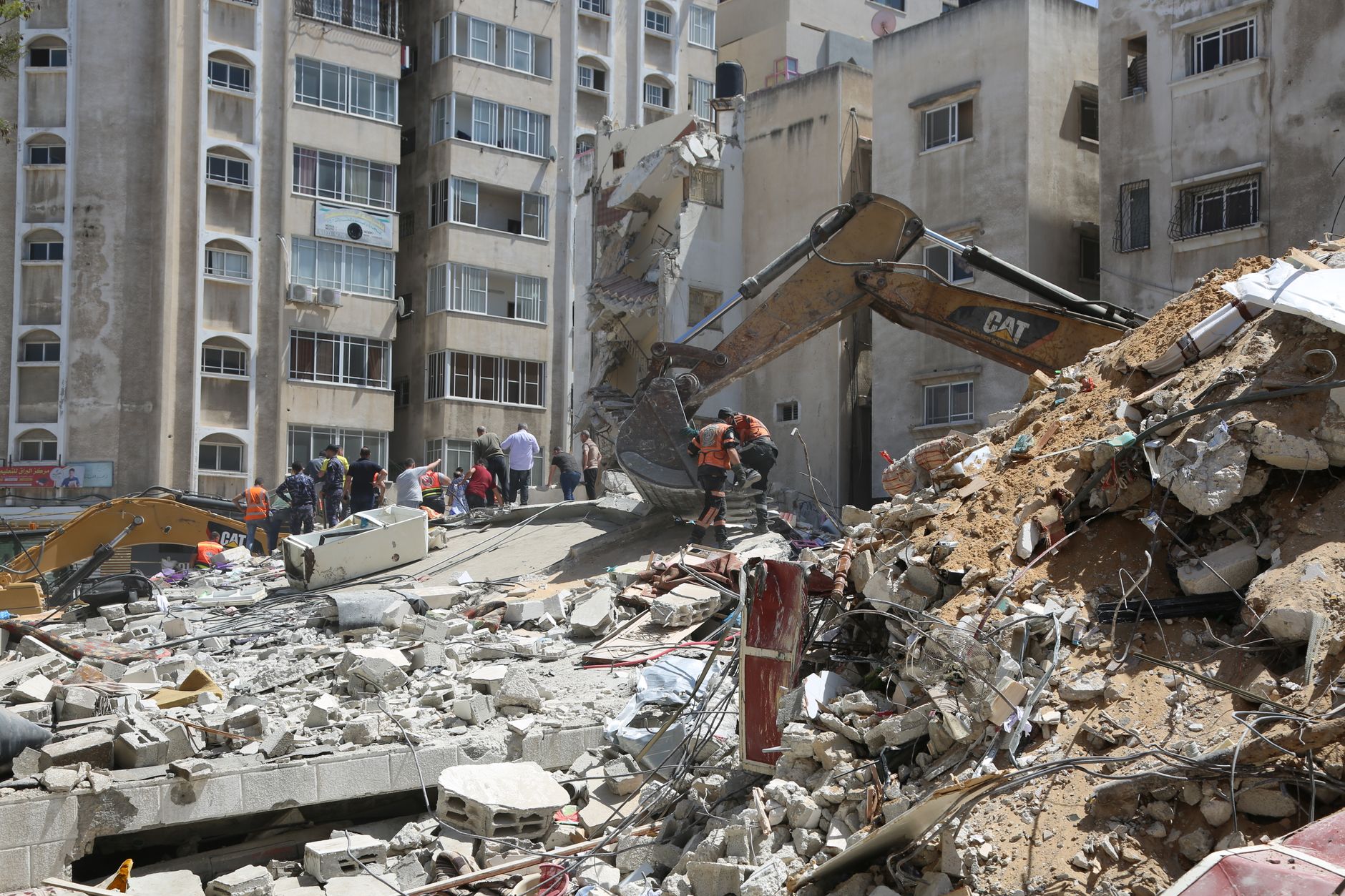
The first time, the ceiling collapsed on sleeping children. The second time, a precision missile found a basement. The third time, there was no warning at all.
Qana, a village in southern Lebanon, has been bombed three times by Israeli forces in the span of three decades. Each time, the target was a shelter. Each time, civilians died. And each time, the world called for investigations, censured the attacks, and then moved on.
But the dead stay dead. And the math is brutally simple: from 1996 to 2024, Qana has lost more people to Israeli bombs than most small towns in Lebanon have lost to war altogether. The question isn't whether this was a mistake. It's whether it was a pattern.
1996: The shell that shattered a UN compound
April 18, 1996. The UN compound in Qana was supposed to be safe. The blue flag flew overhead. Hundreds of displaced Lebanese civilians had gathered there, trusting the UN's promise of protection. Israeli artillery fired shells that hit the compound directly. 106 people died. Most of them were women and children.
Israel said it was targeting Hezbollah fighters who had fired rockets from near the base. The UN investigation found no evidence of that. The US vetoed a UN Security Council resolution condemning the attack. The case was closed.
"They told us the UN would keep us safe. But the shells came anyway." — Survivor, 1996
Qana became a symbol. But symbols don't stop bombs.
2006: The basement that became a tomb
July 30, 2006. Israel was in the middle of a 34-day war with Hezbollah. In Qana, a family of 15 had taken shelter in the basement of their home. An Israeli airstrike hit the building, collapsing it on top of them. The rescue effort took days. Bodies were pulled out one by one. Among the dead: nine children.
This time, the world reacted — but only briefly. The UN called for an immediate ceasefire. Israel expressed "regret" and said it was a "tragic mistake." Then the bombing continued. By the time the war ended, more than 1,100 Lebanese had died, most of them civilians. Qana had lost 28 people in a single strike.
The pattern was emerging: safe zones aren't safe if the other side decides they aren't. And the math says that when a village is bombed once, twice, three times, it's not an accident. It's a message.
2024: The precision strike that didn't miss
October 15, 2024. A new war had erupted between Israel and Hezbollah. Qana was hit again. This time, the target was a shelter in a residential building. The Israeli military said it was a "Hamas command center." No one in Qana believed that. The bombing killed 37 people, including 12 children. Rescue workers said the bodies were so mangled that they couldn't count them until hours later.
The attack violated international law. The UN condemned it. The US called for restraint. But no one stopped the war. Qana had become a macabre landmark — a place where the rules of war simply didn't apply.
The verdict: Pattern or coincidence?
Three times. Three decades. Three investigations. Three sets of apologies. And the same result: dead civilians in a village that keeps getting bombed. If it were a coincidence, you'd expect the attacks to stop after the first international outcry. They didn't. You'd expect the military to learn to avoid the same village. They didn't.
What's happening in Qana is an example of what military strategists call "repetitive targeting." It's when a location is hit multiple times because it's believed to be used by the enemy. But the evidence for that belief is thin. And the cost is measured in children's lives.
The Israeli military has a long history of targeting sites it claims are "operational" for Hezbollah or Hamas — schools, hospitals, shelters. In Qana, those claims have been made three times and each time they've been met with skepticism.
Let's be blunt: if Israel wanted to avoid civilian casualties in Qana, it would have. It has precision-guided munitions. It has intelligence. It has the ability to strike with surgical accuracy. But instead, it's chosen to hit the same village three times — each time killing civilians in shelters.
That's not a mistake. That's a choice.
A village that refuses to die
Qana's people are fighters — not the armed kind, but the ones who rebuild. After each bombing, they buried the dead and returned. The houses were repaired. The fields were replanted. The shelters were rebuilt. But the fear never left.
"We know it will happen again," a schoolteacher told me in 2024. "We just hope we survive."
That's the tragedy of Qana. It's not just a village. It's a test case for the world's commitment to protecting civilians. And we keep failing the test.
The next time Qana is bombed — and there will be a next time — will we still pretend it's an accident?