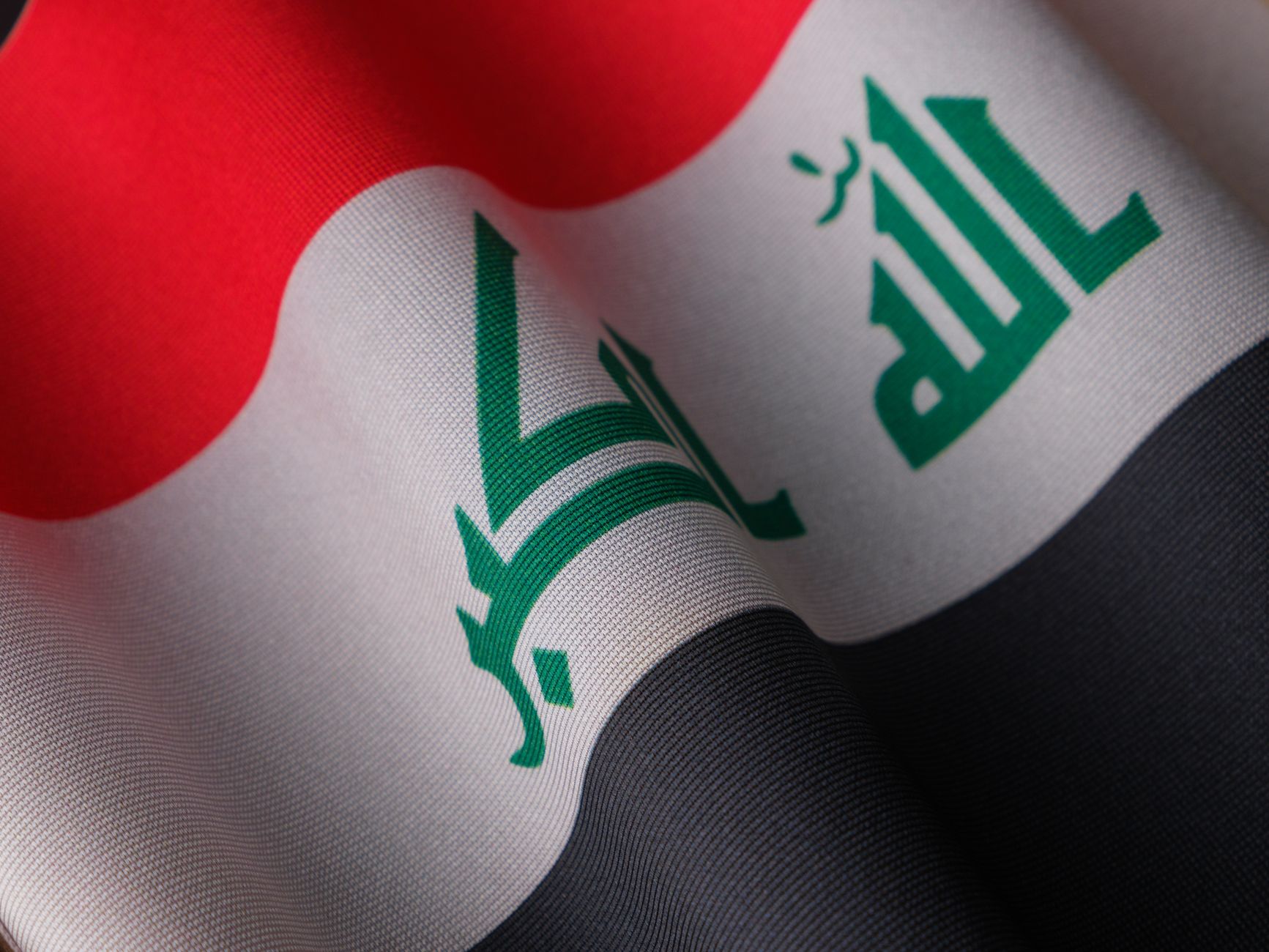
Marco Rubio is on the road again—this time in the Gulf, playing firefighter. The US Secretary of State is shuttling between Riyadh, Abu Dhabi, and Doha, trying to convince America’s oldest Arab allies that the new US-Iran memorandum of understanding isn’t a backroom betrayal. Good luck with that.
The MOU—which the administration insists is not a formal treaty and therefore not subject to Senate approval—has been shrouded in so much secrecy that even Gulf intelligence chiefs are getting their info from leaks. And that’s the problem. When your allies have to read about your grand bargain in the Washington Post, trust takes a hit.
The Art of the Non-Deal
Let’s call it what it is: a crisis management tool disguised as diplomacy. The MOU allegedly includes confidence-building measures—some sanctions relief, maybe a nod on uranium enrichment caps—but no one outside a tight circle knows the fine print. Rubio’s message? “Trust us, we’ve got your backs.” But trust is in short supply when you’ve been burned before.
“The Gulf states have seen this movie before. Obama’s nuclear deal, Trump’s maximum pressure, Biden’s attempts to revive it. Now this. They’re not buying a ticket without seeing the script.”
The irony is thick. The US wants Gulf allies to bankroll post-war reconstruction in Yemen and invest in a regional security architecture—all while keeping them in the dark on the very deal that shapes that architecture. Rubio’s talking points are polished: “The MOU enhances stability,” “Iran must verifiably comply,” “Our partnerships remain ironclad.” But the subtext is, “Please don’t panic until we figure out what we’ve actually signed.”
What’s Really in the MOU?
Let’s piece together the scraps. Sources whisper about a phased sanctions relief linked to IAEA inspections, a freeze on advanced centrifuge R&D, and—most controversially—a tacit US acknowledgement of Iran’s right to enrich within limits. That last bit is the real landmine. The Gulf monarchies have spent years insisting that any enrichment on Iranian soil is a threat to their security. Now they’re being asked to swallow it without even seeing the fine print.
And then there’s the missile question. The MOU reportedly side-steps Iran’s ballistic missile program—the very thing that keeps Gulf royals up at night. Rubio’s team argues that separating the issues was the only way to get a deal. To the Gulf, that sounds like a cave-in.
Meanwhile, Iran’s supreme leader is calling the MOU a “victory of diplomacy” while his IRGC commanders boast that enrichment continues. The cognitive dissonance is staggering. Rubio can’t even get a straight read from Tehran, yet he’s asking Riyadh to take a leap of faith.
The Trust Deficit
Gulf leaders have long memories. They remember the 2015 JCPOA, which they viewed as a gift to Iran that didn’t curb its regional meddling. They remember Trump’s withdrawal, which left them scrambling. They remember the 2019 Abqaiq attack, when the US didn’t retaliate. And now they’re being asked to trust that this MOU is different. But the track record says otherwise.
Rubio’s pitch includes a robust security package: more Patriot batteries, joint naval exercises, and intelligence sharing. But hardware doesn’t buy trust. What the Gulf wants is a seat at the table—not just a briefing after the fact. They want a regional security forum where their red lines are codified, not just noted.
The UAE, ever the pragmatist, is playing along publicly while hedging privately. Abu Dhabi has already deepened ties with Israel and normalized relations with Turkey—just in case. Saudi Arabia is more direct: Crown Prince Mohammed bin Salman reportedly told Rubio that any deal must include a “clear and enforceable mechanism” on Iran’s drone program. That’s a polite way of saying, “We don’t trust your word.”
Qatar, the odd man out, is actually mediating between the US and Iran—and between the US and its Gulf allies. Doha’s role as the region’s switchboard operator is both a blessing and a curse. It gives Rubio a backchannel, but it also exposes the divisions within the Gulf Cooperation Council.
What Happens Next?
The MOU is supposed to lead to formal negotiations within 60 days. But if Rubio can’t sell the trailer, the movie might never premiere. The Gulf states have options: deepen military ties with Israel, accelerate nuclear energy programs (with enrichment, not without US blessing), or even pivot toward Asian powers. China is already sniffing around, offering infrastructure deals and diplomatic cover. The US isn’t the only sheriff in town anymore.
Rubio’s tour ends this week. He’ll issue a joint statement, announce some aid package, and fly home. But the underlying tension won’t dissipate. The Gulf allies want to be partners, not pawns. And until the US treats them as such, every MOU will feel like a mugging.
The real question is whether Rubio can turn this tour into a turning point. Right now, it looks more like a tourniquet—stopping the bleeding, but not healing the wound.