The ground didn't just shake. It roared. Twice.
Venezuelans are still catching their breath after two earthquakes struck within hours of each other, turning Thursday morning into a blur of screams, shattered glass, and people scrambling for doorways. Video from the capital Caracas shows office workers diving under desks, then sprinting for the exits when the second tremor hit.
That second one—a 5.8 magnitude, according to the US Geological Survey—was the real terror. It followed a 4.9 foreshock by less than 90 minutes, just long enough for people to think the danger had passed. It hadn't.
Two Strikes, One Morning
The first quake, at 7:14 a.m. local time, rattled windows and nerves. But many went back to their routines. Coffee was poured. Meetings resumed. Then at 8:41 a.m., the real blow came. The epicenter was near the town of Cúa, about 40 kilometers south of Caracas, but the shaking was felt across the central coast. Buildings swayed. Power lines danced. Elevators stopped working.
In the capital, videos show the skyline swaying like a ship at sea. People streamed into the streets, some still in pajamas. Traffic froze. Phones jammed as everyone tried to call family at once. 'I thought the building was going to split in half,' one office worker told local media, her voice still trembling hours later.
A Region That Never Sleeps Easy
Venezuela sits on the Caribbean-South American plate boundary—a seismic pressure cooker that has produced deadly quakes before. The 1999 earthquake in Cúcuta, Colombia, was felt across the border; the 1967 Caracas quake killed over 200. But Thursday's events were different: the double-tap pattern, with two closely spaced quakes of similar strength, is rare here. 'It's like the earth reset the clock and hit repeat,' said seismologist Miguel Vargas of the Universidad Central de Venezuela. 'We don't normally see two events this strong so close together. It's unsettling.'
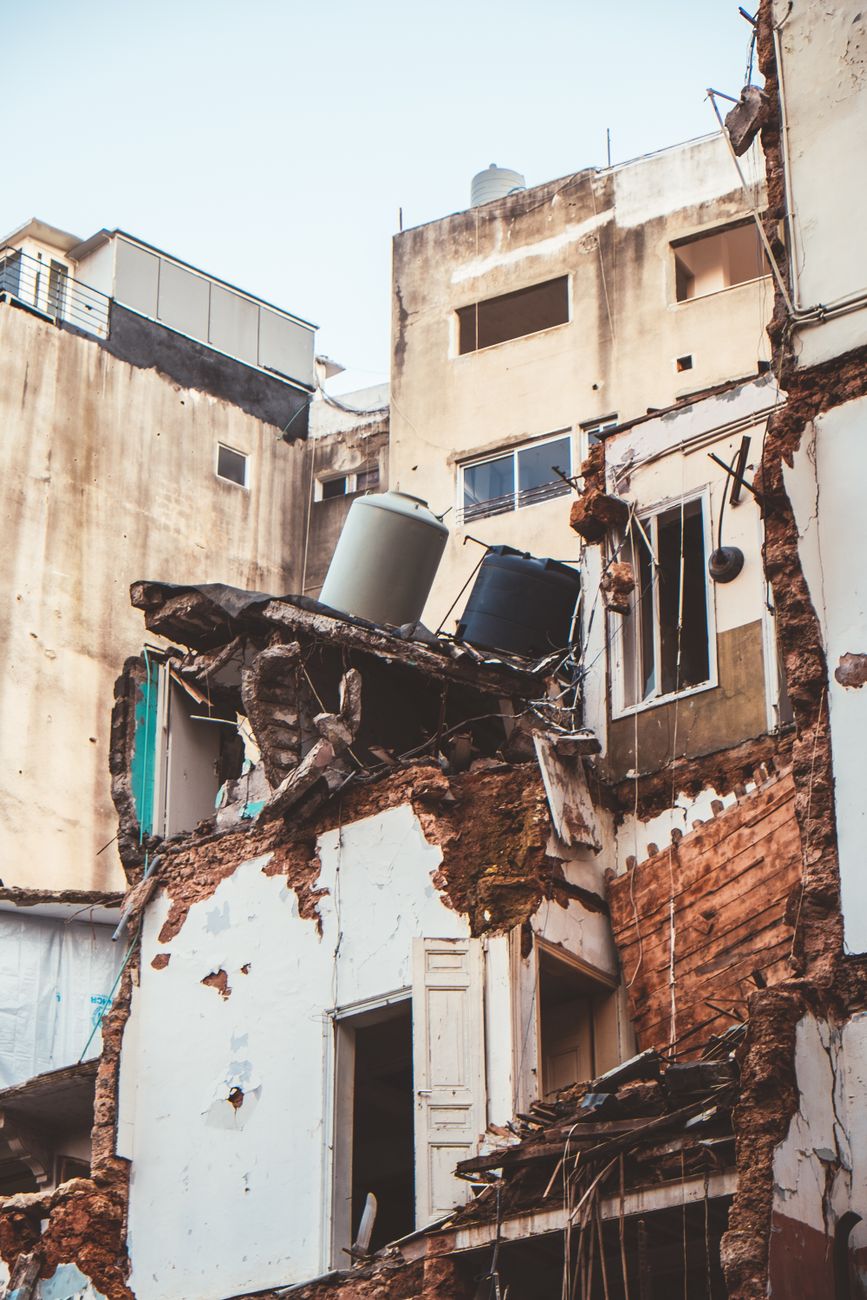
The double-hit left rescue services scrambling. Emergency teams were still assessing damage from the first when the second wave of calls came in. Reports of collapsed walls and cracked foundations began trickling in from Miranda state, where the epicenters clustered. So far, no deaths have been reported—a stroke of luck that officials attribute to modern building codes in parts of Caracas. But that luck might not hold.
Panic Is a Secondary Disaster
The real damage Thursday wasn't just structural. It was psychological. Social media flooded with videos of people crying, children screaming, elderly neighbors being carried down stairs. In one clip, a man in an office shirt is seen climbing over overturned furniture to reach a woman trapped under a desk. Another shows a mother clutching two toddlers in a doorway, her face frozen in a rictus of fear.
Psychologists warn that the aftershocks of such events can be as debilitating as the quakes themselves. 'When people experience two rapid shocks, they lose any sense of safety,' said Dr. Ana Lucía Herrera, a trauma specialist in Caracas. 'They start sleeping in their clothes. They flinch at every truck that passes. The fear lives in the body.'
That fear is compounded by Venezuela's ongoing crisis. The country's infrastructure is already crumbling under years of economic collapse. Hospitals lack medicines. Emergency generators often fail. Power outages are routine. A major earthquake could push the system past the breaking point.
What Happens Next
Geologists are watching the fault lines closely. The two quakes, while strong, might not be the main event. 'This could be a foreshock-mainshock sequence, or it could be a swarm,' Vargas said. 'We can't rule out a larger tremor in the coming days.' That's not alarmist—it's pattern. Some of history's deadliest quakes, including the 2011 Tōhoku earthquake that triggered Japan's Fukushima disaster, were preceded by significant foreshocks. Venezuela just got two of them, back-to-back.
Officials are urging calm but also preparation. The government has activated emergency protocols and is inspecting bridges, dams, and hospitals for hidden cracks. But in a country where the word 'preparedness' often collides with 'we have no spare parts,' the margin for error is razor-thin.
The ground is still. For now. But every Venezuelan who felt Thursday's double-punch knows the truth: the earth doesn't care about your plans. It only cares about releasing pressure. And sometimes, it takes two tries to get the job done.