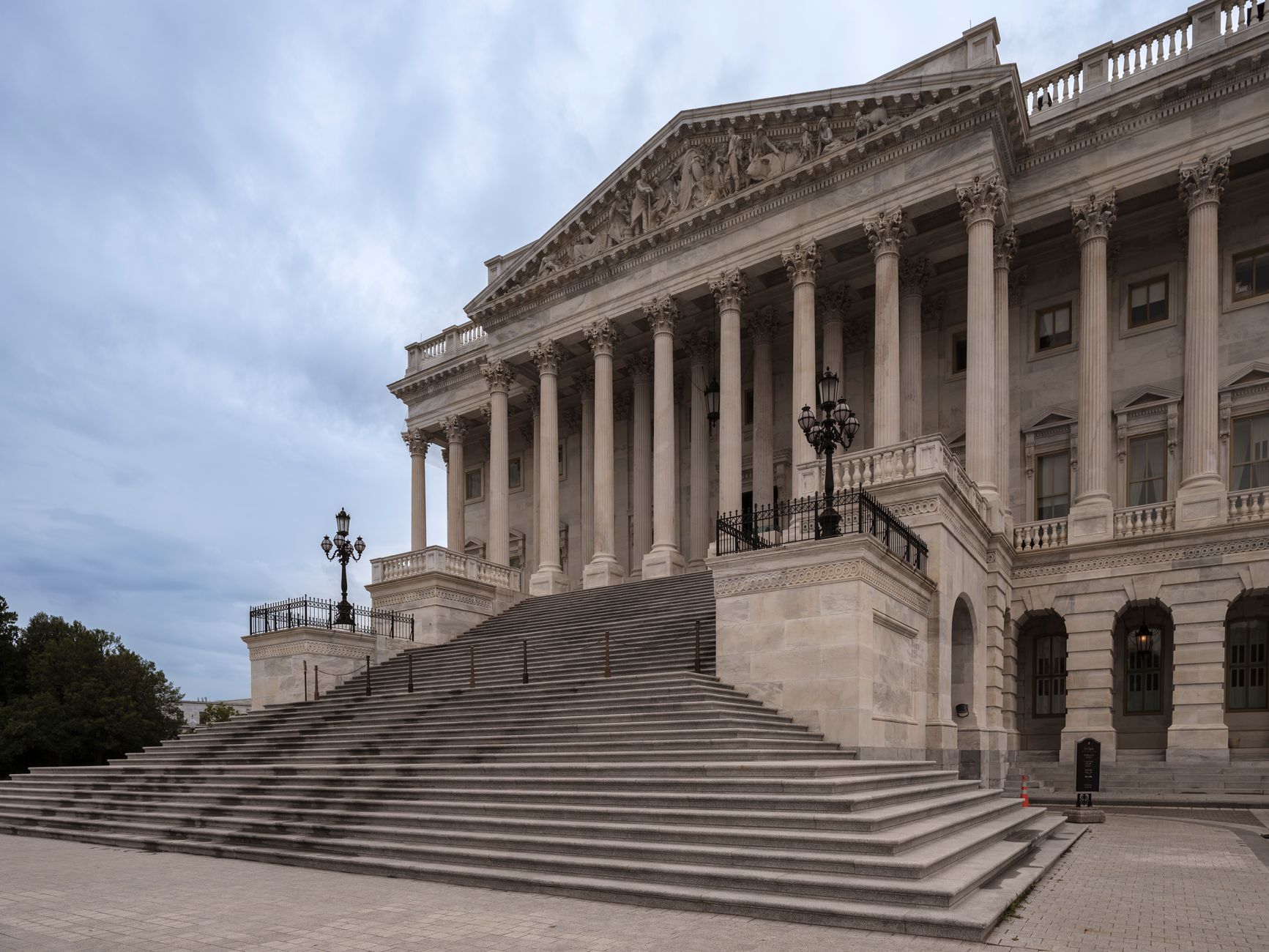
The US Senate did something Wednesday that hasn't happened in years: it told a president to sit down and shut up before starting a war. By a vote of 58-42, the chamber passed a resolution demanding the White House halt military operations against Iran unless Congress gives the green light. It's a rare, bipartisan middle finger to Donald Trump — and frankly, it's about damn time.
Let's be clear: this isn't a bill to end all wars. It's a procedural gut-check, a legislative timeout. The resolution says the president cannot use funds to engage in hostilities with Iran unless Congress declares war or authorizes it. Think of it as a speed bump on the road to another Middle East quagmire.
The numbers tell the story
Twelve Republicans crossed the aisle. Twelve. In today's hyperpartisan hellscape, that's a political earthquake. They joined every Democrat and independent to deliver a message that's been gathering dust since the Vietnam era: Congress, not the White House, gets to decide when Americans die overseas. Senator Tim Kaine, the Virginia Democrat who's been pushing this for years, called it "a vote for the Constitution." He's right. The War Powers Act of 1973 was supposed to prevent exactly what Trump has been inching toward — an endless, authorized-by-nobody conflict with a country that's been on America's shit list for 45 years.
The backstory nobody's talking about
This didn't come out of nowhere. Tensions have been simmering since Trump pulled out of the nuclear deal in 2018. Then came the assassination of Qassem Soleimani in January 2020, the retaliatory missile strikes, and a steady drip of escalations. But here's what the cable news talking heads won't tell you: the American people are exhausted. Poll after poll shows a majority want out of the Middle East, not deeper in. The Senate finally listened.
“This is not about being anti-war. It's about being pro-Constitution.” — Senator Tim Kaine
Critics — and there are plenty — say the resolution is symbolic, toothless, a gesture. Trump will veto it, they argue, and the Senate doesn't have the two-thirds to override. Maybe. But symbols matter. When the Senate votes 58-42 to tell a commander-in-chief to stop rattling sabers, it sends a signal to allies, adversaries, and the Pentagon: the blank check is no longer valid.
What happens next
The House passed a similar measure months ago. Now it goes to Trump's desk, where he's promised a veto. The White House calls the resolution "dangerous" and "an insult to our military." Spare me. The real insult is sending troops into harm's way without a debate. The real danger is a president who treats war like a tweet — impulsive, defensive, and deleted when inconvenient.
If Trump vetoes, the fight moves to the courts and the court of public opinion. Midterm elections are looming, and Iran isn't going anywhere. The question is whether Congress will keep its spine or fold when the next crisis hits.
The bottom line
The Senate finally grew a spine. It took a decade of drift, a dead general, and a pandemic, but they did it. This vote won't stop a war by itself. But it's a start. It's a reminder that the Constitution isn't a suggestion box. And for once, that reminder came from both sides of the aisle.
Now watch Trump tweet his fury into the void. The rest of us? We'll be watching — and waiting for the next vote.