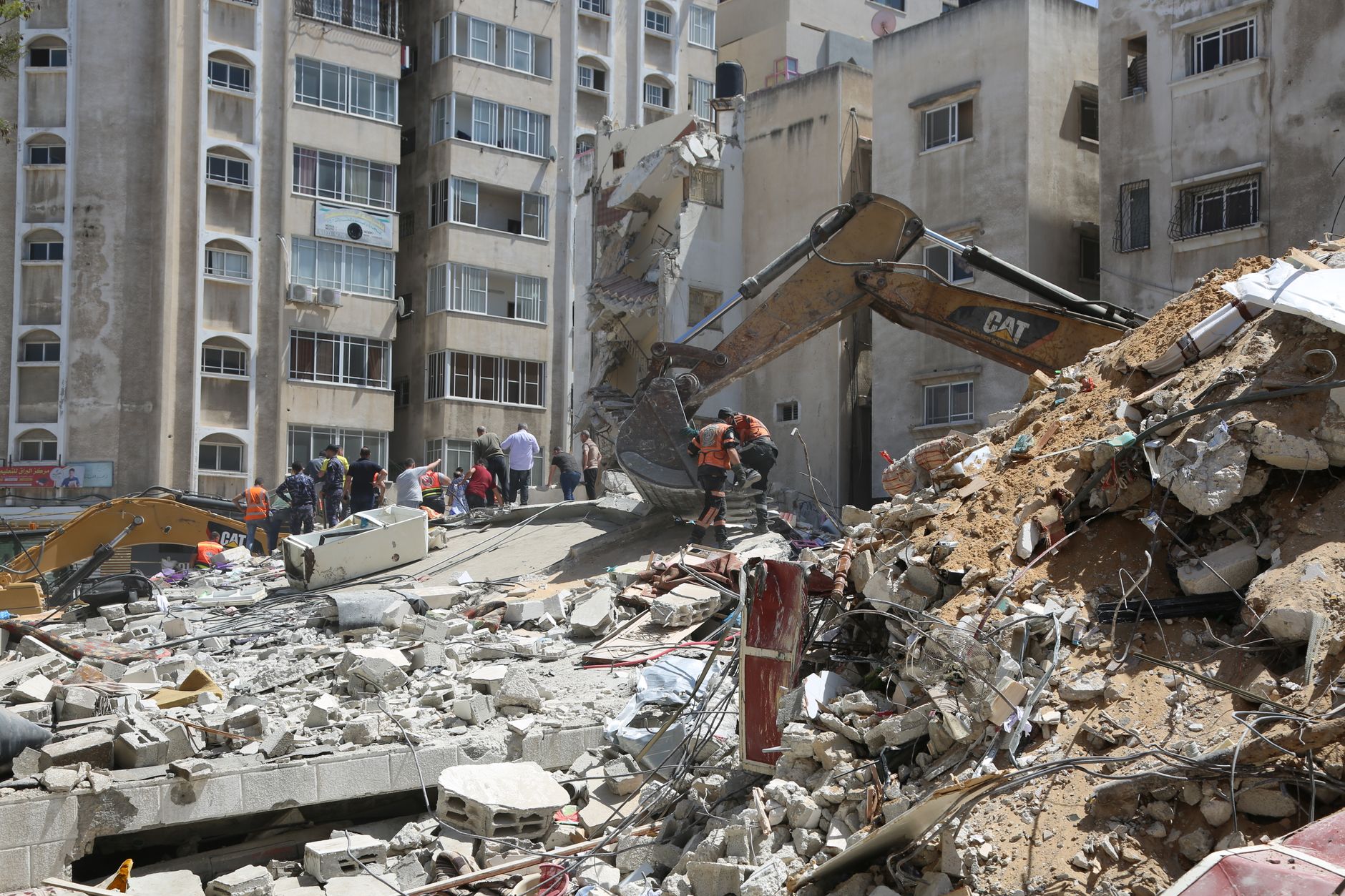
The sun had barely risen over the hills of Nablus when the first armored vehicles rolled in. By 7 a.m., Israeli soldiers had sealed off the Old City, barking orders through loudspeakers. Residents who tried to leave were turned back. Some were detained. In the nearby settlement of Yitzhar, settlers were already gathering—not for prayer, but for a rampage through Palestinian olive groves.
This is not an isolated incident. Over the past week, raids and settler attacks across the occupied West Bank have spiked to levels not seen in years. The UN reports that Israeli forces conducted 87 search-and-arrest operations in July alone—the highest monthly tally since 2023. Settler attacks, meanwhile, have more than doubled compared to the same period last year.
The Army's Nightly Knock
In Jenin, the raids are a nightly ritual. Soldiers descend on refugee camps under cover of darkness, smashing doors, rounding up young men. The military says it's targeting militants. But human rights groups say the real target is collective punishment.
"They come for one person, but they wake up the whole neighborhood," says Ahmad Hamdan, a father of five whose home was raided last Tuesday. "They broke our furniture, took my brother, and left. We still don't know where he is."
The army claims precision. But the numbers tell a different story. Of the 340 Palestinians detained in July, only 12% were later charged with security offenses. The rest were released within days—their homes, their livelihoods, their dignity already shattered.
Settlers on the Move
While the army raids, settlers carve their own path of destruction. In the village of Masafer Yatta, south of Hebron, residents woke up to find their water tanks smashed and their sheep stolen. Surveillance cameras caught a group of masked settlers in the act. The Israeli police arrived two hours later. No arrests were made.
"They know the police won't stop them," says Fatima al-Jabbarin, a 63-year-old grandmother. "We are alone here."
The violence is not random. A pattern emerges: settlers target areas near outposts—illegal even under Israeli law. They chase farmers from their land, uproot trees, and set fire to fields. The Israeli government has approved 4,500 new settler homes this year, a record high. Each new home brings more violence.
"The settlers are emboldened because the government gives them a green light." — Human Rights Watch report, July 2026
The International Silence
The UN Security Council has held two closed-door sessions this month. Both ended without a joint statement. The US blocked a resolution condemning the settlement expansion, calling it "unbalanced." Europe offers statements of concern. Statements do not stop bulldozers.
On the ground, the Palestinian Authority is powerless. Its security forces have been weakened by years of internal division and Israeli restrictions. In areas under full Israeli control—60% of the West Bank—the PA cannot even send a policeman.
"We have no authority over our own land," says Mahmoud al-Rimawi, a PA official in Ramallah. "The occupation controls everything: the roads, the water, the courts. We are a government in name only."
What Comes Next?
The quiet before the storm may already be over. In the streets of Jenin and Nablus, young Palestinians are talking about resistance. Not the diplomatic kind. The kind that fills hospitals with wounded fighters.
"They make our lives hell every day," says a 19-year-old who gives his name as Abu Khaled. "What else do we have to lose?"
Analysts warn that the current trajectory leads to a third intifada. Israel's defense establishment is worried enough to hold emergency meetings. But so far, no political solution is on the table. The government of Prime Minister Benjamin Netanyahu has doubled down on settlement expansion, betting that repression can replace negotiation.
History suggests otherwise. Every wave of settlement growth in the past has been followed by a wave of violence. The math is not complicated: more settlements, more raids, more anger, more blood.
The question now is how long the powder keg can stay dry. Because in the West Bank right now, every night brings a raid, every morning brings a settler attack, and every evening brings another family mourning.