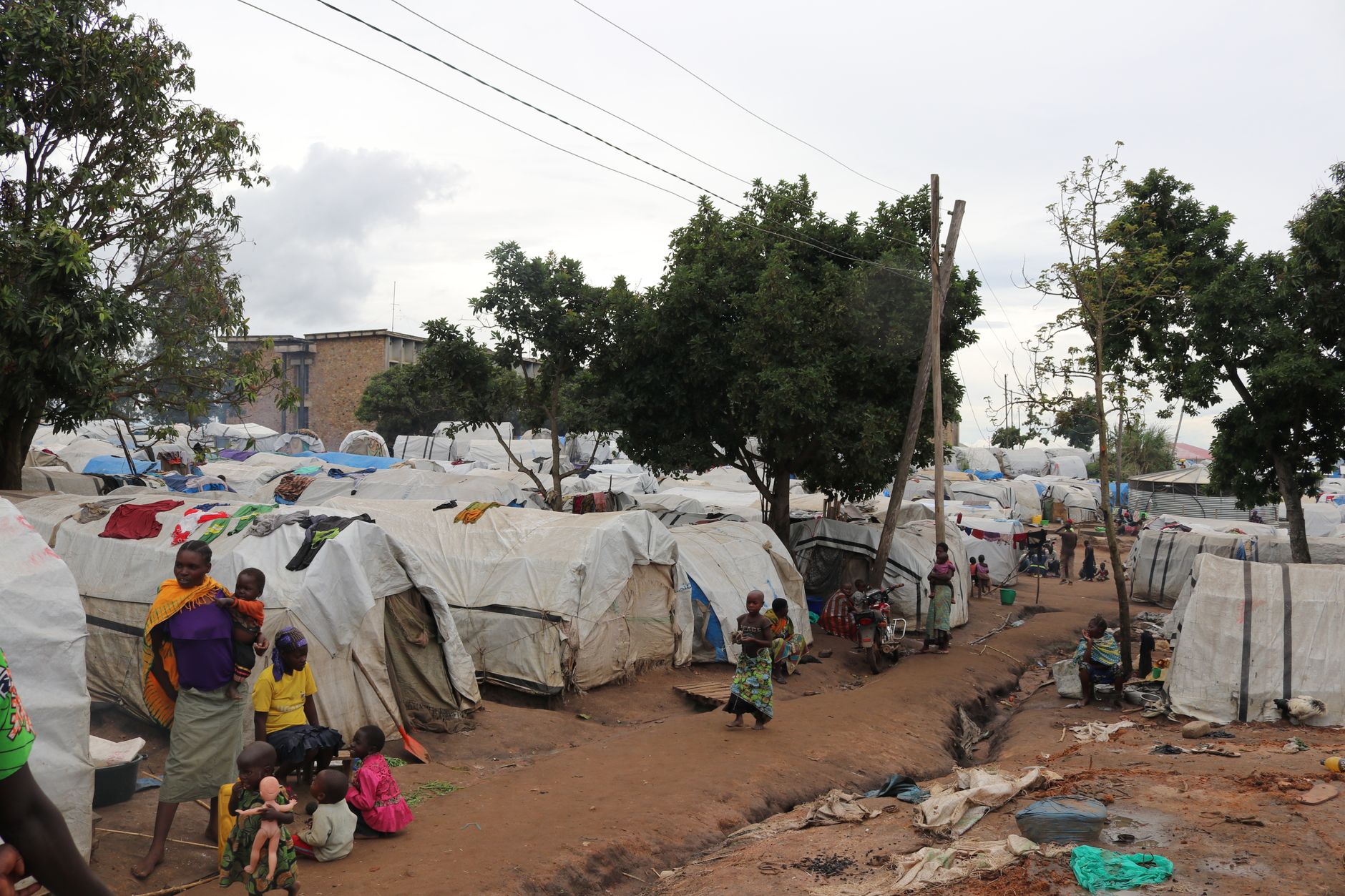
The six-year-old girl snatched from a hospital in eastern Democratic Republic of Congo during an attack by armed men has been found alive and is “doing well,” the World Health Organization confirmed Thursday.
The child, whose name has not been released, was receiving treatment for Ebola at a clinic in Beni when gunmen stormed the facility on Tuesday, kidnapping her and wounding two nurses. The attack was the latest in a series of assaults on health workers in a region where misinformation and fear have turned the Ebola response into a battlefield.
A target on the back of health care
This isn't random violence. It's a pattern. Since the current outbreak began, at least 11 attacks have targeted Ebola treatment centers. The message is clear: cure is not welcome here.
Locals whisper about “Ebola politics.” Some believe the virus is a hoax. Others think foreign doctors are harvesting organs. A few claim the whole thing is a ploy to rig elections. None of it is true. But truth doesn't matter when fear is the currency.
“We are fighting two battles — the virus and the lies,” said Dr. Jean-Jacques Muyembe, a veteran virologist who has spent decades battling Ebola in Congo. “The lies are winning.”
The abduction
Tuesday evening. A makeshift clinic in Beni. Two gunmen. They didn't take money. They didn't take drugs. They took a six-year-old girl. Witnesses say she was crying for her mother as they dragged her out.
The nurses who tried to stop them are still recovering from stab wounds. The WHO said the attackers were “youths from the community,” likely influenced by rumors that the girl was being used for experiments. No evidence. Just whispers amplified by WhatsApp and local radio.
“When we arrived, the clinic was empty,” said a WHO security officer who spoke on condition of anonymity. “The staff were terrified. They said the mob threatened to burn the place down if they didn't hand over the patients.”
The rescue
For two days, no one knew where the girl was. Then a tip came in — she had been seen in a village 15 kilometers away. A joint team of Congolese police and WHO security tracked her down Thursday morning. They found her in a hut, alone, covered in a dirty blanket.
“She was scared but physically stable,” said Dr. Aisha Diallo, the WHO doctor who examined her. “We gave her oral rehydration and she's back on antiviral medication. She's a fighter.”
The girl's mother, who had been hiding in another village, was reunited with her daughter hours later. “I thought I would never see her again,” the mother said. “I don't know who told those men to take her. I just want my baby to be safe.”
Why this keeps happening
The current outbreak — Congo's 14th — has infected more than 3,000 people and killed over 1,200. But the virus isn't the only killer. Mistrust is.
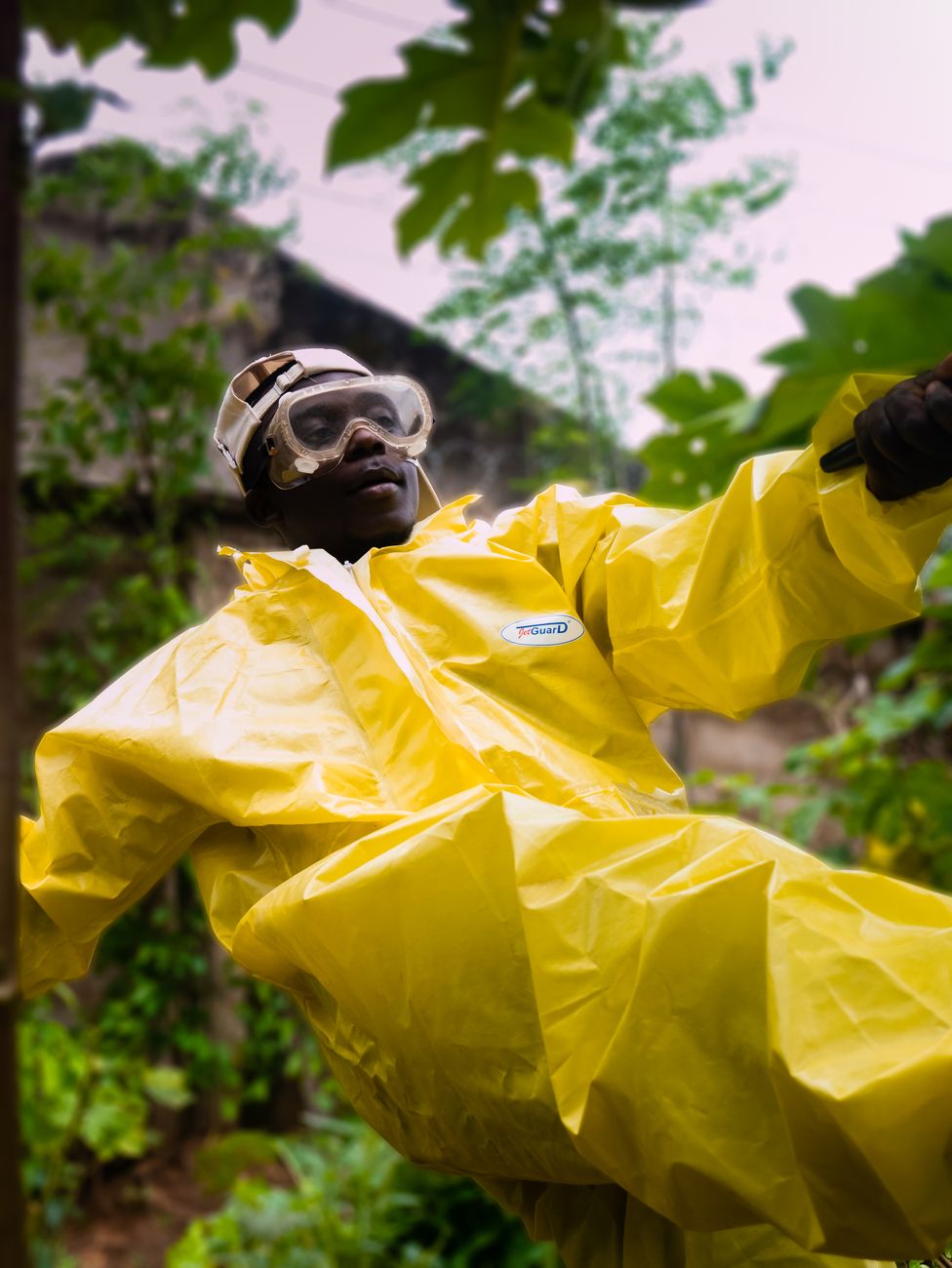
Health workers are seen as outsiders. They drive white SUVs with WHO logos, speak French or English, and wear hazmat suits that make them look like aliens. Local healers are cheaper and more trusted — even when their treatments don't work.
Social media has made it worse. A single viral post claiming the vaccine causes infertility can undo months of outreach. And once rumors take hold, they spread faster than the virus.
“We are losing the information war,” said Dr. Mike Ryan, WHO's emergencies chief. “We can send doctors and nurses, but if communities don't trust us, we might as well stay home.”
The attack on the Beni clinic is a symptom of a deeper problem. The Congolese government, already stretched thin by conflict and poverty, has failed to build trust with its own citizens. Foreign aid organizations are left to pick up the pieces, but they're also the ones catching the blame.
What happens next
The girl will continue her treatment in a secure location. The WHO says it's reviewing security protocols at all Ebola treatment centers. But security alone won't solve this.
“You can't guard every clinic with soldiers,” said a local health official who asked not to be named. “The real solution is to talk to people. Listen to their fears. Answer their questions. It takes time, but it's the only thing that works.”
Time, however, is running out. Every attack forces clinics to close, vaccines to spoil, and cases to go undetected. The virus doesn't care about rumors — it just keeps spreading.
So far, the six-year-old is safe. But the next child might not be. And until the lies stop, the real war isn't against Ebola. It's against the silence that lets the rumors grow.