It ended not with a bang, but with a whimper. South Korea's World Cup campaign crashed out in the group stage, and the fallout is already rewriting the country's football landscape. The coach resigned before the plane touched down, and the president—yes, the president—has demanded a full investigation. This isn't just a sports story. It's a national reckoning.
South Korea came to the World Cup with swagger. They'd qualified in style, and fans dreamed of a deep run. Instead, they got two draws and a loss. One win in three matches. No knockout round. For a nation that once reached the semifinals in 2002, this felt like a betrayal.
Coach Walks, But the Questions Stay
Head coach Kim Do-hoon didn't wait for the axe. He resigned immediately after the final group match, a 2-1 loss to Ghana that sealed South Korea's fate. In his exit statement, he said, “The responsibility is mine. I failed to deliver.” Noble words, but they rang hollow for fans who saw a team that looked unprepared, disjointed, and lacking fire.
Kim's tenure was short—just 18 months. He'd been appointed to bring stability, but instead, the team looked lost. Defensive lapses, midfield gaps, and a attack that sputtered when it mattered most. The stats are brutal: South Korea managed only three goals in three matches, two of them from set pieces. Open play? Nonexistent.
Ex-players didn't hold back. Park Ji-sung, the Manchester United legend, said on Korean TV: “We didn't see a plan. We saw individuals trying to do everything, and it failed. This isn't about one coach. It's about the system.” He's right. Kim is gone, but the rot runs deeper.
The President Steps In—Unprecedented Pressure
President Yoon Suk-yeol's call for a probe is extraordinary. In South Korea, the president doesn't usually wade into sports unless something's gone very wrong. But Yoon framed it as a matter of national pride: “Our people deserve answers. We must investigate the Korea Football Association's management, the training programs, and the entire selection process.”
This isn't just political theater. The Blue House has the power to audit the KFA, and it's already signaled it will look into everything—from youth development to the foreign scout network. The KFA, caught off guard, issued a tepid statement promising “full cooperation.” But insiders say the federation is terrified. A government probe could lead to resignations, funding cuts, even legal charges.
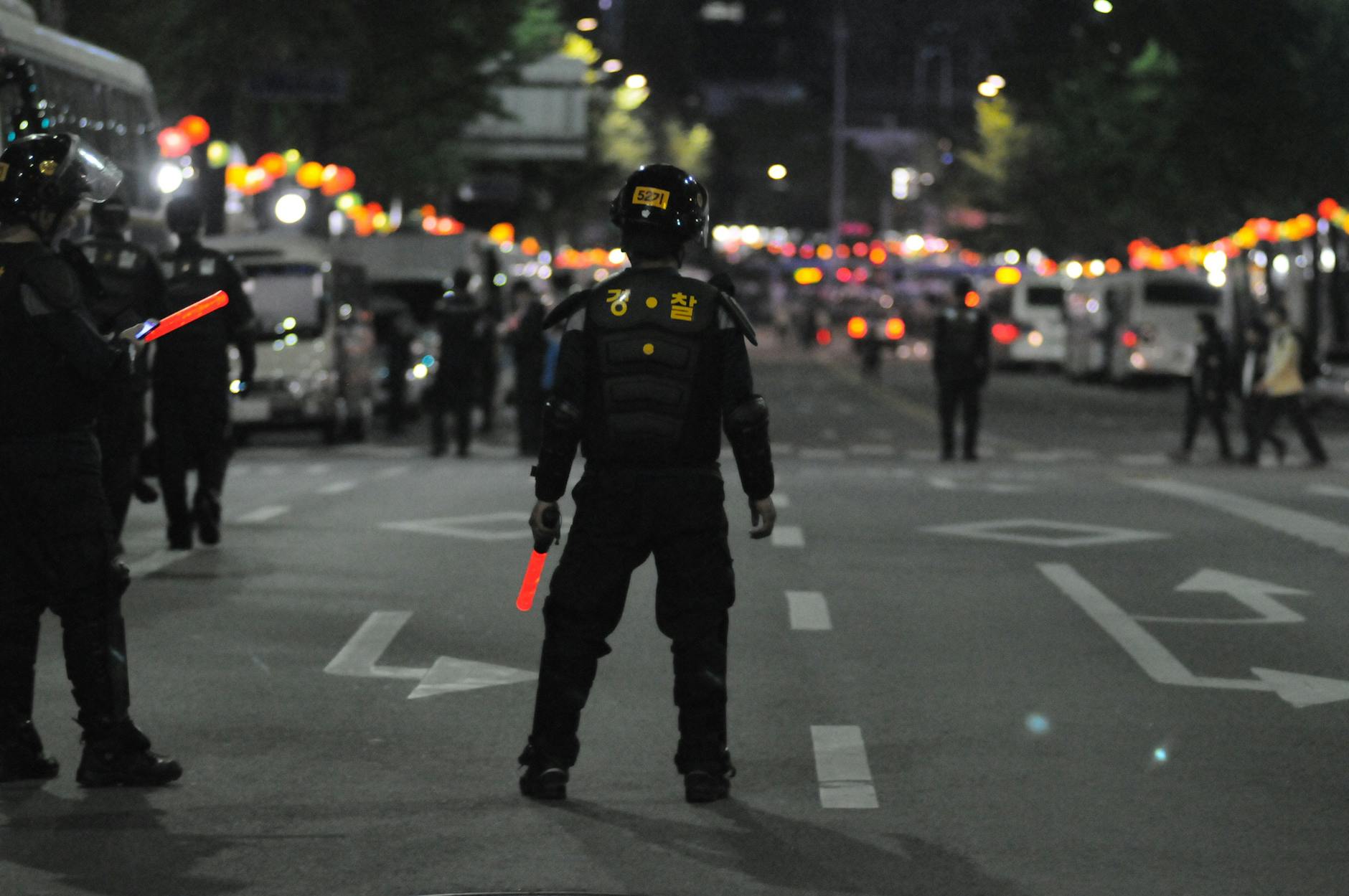
Fans have taken to the streets. In Seoul's Gwanghwamun Square, thousands gathered with signs reading “Rebuild Now” and “Shame on KFA.” One protester told me, “We don't care about the coach. He's a symptom. The disease is the federation's old boys' club. They pick players based on connections, not merit.”
“We don't care about the coach. He's a symptom. The disease is the federation's old boys' club.” — Protester in Seoul
A System Built on Sand
South Korea's football infrastructure has problems that no single tournament could fix. The K League, the domestic league, is a development wasteland. Most top Korean players go abroad as teens, but the pathway is broken. The national youth teams have stagnated—no Olympic medal since 2012, no Asian Cup title since 1960.
Scouting is another black hole. Europe's top leagues have moved on from Korean talent. Son Heung-min is 33 and aging. Kim Min-jae is a star at Bayern Munich, but after him, the drop-off is steep. The next generation? Uncertainty. The president's probe will likely focus on why the talent pipeline has dried up.
Money isn't the issue. The KFA has a budget of over $100 million. It's mismanagement. In 2023, a whistleblower revealed that federation officials had embezzled funds meant for youth camps. The scandal was buried. Now, under the president's microscope, it might resurface.
International experts have warned South Korea for years. In 2024, a FIFA report ranked the country's youth development 18th in Asia—behind Vietnam and Thailand. The KFA dismissed it as “methodological bias.” But the World Cup results tell a different story.
What Comes Next?
The immediate future is brutal. South Korea faces World Cup qualifiers for 2030 starting in 2027, and they've lost their coach. The KFA must appoint a new one quickly, but the best candidates are wary. “No one wants to walk into a circus,” one agent told me. “The president is watching. The fans are angry. It's a poisoned chalice.”
Names are being floated: Hong Myung-bo, the 2012 Olympic bronze-winning coach, is a popular choice. But he's currently managing in China and might not want the headache. Foreign options like Portugal's Paulo Bento, who coached South Korea to the 2022 Round of 16, are possible—but he'd demand control over the federation, which the KFA won't give up easily.
The players themselves are shell-shocked. Captain Son Heung-min, who played through injury, told reporters: “We let the country down. I can't say more. I'm sorry.” That apology might not be enough. In South Korea, football isn't just a game. It's a source of identity. The 2002 semifinal run is still a national touchstone. Failure now feels like a betrayal of that legacy.
And then there's the president's probe. It could be a genuine reform effort, or it could be a political stunt. Yoon's approval ratings are underwater, and blaming the KFA might distract from other issues. But if the investigation is thorough, it could expose decades of cronyism and incompetence.
One thing is certain: South Korean football will never be the same. The World Cup defeat ripped the bandage off a festering wound. Now, the country has to decide whether to let it heal properly—or just slap on a new bandage and hope for the best. The president's probe is a start. But the real work begins when the cameras leave.