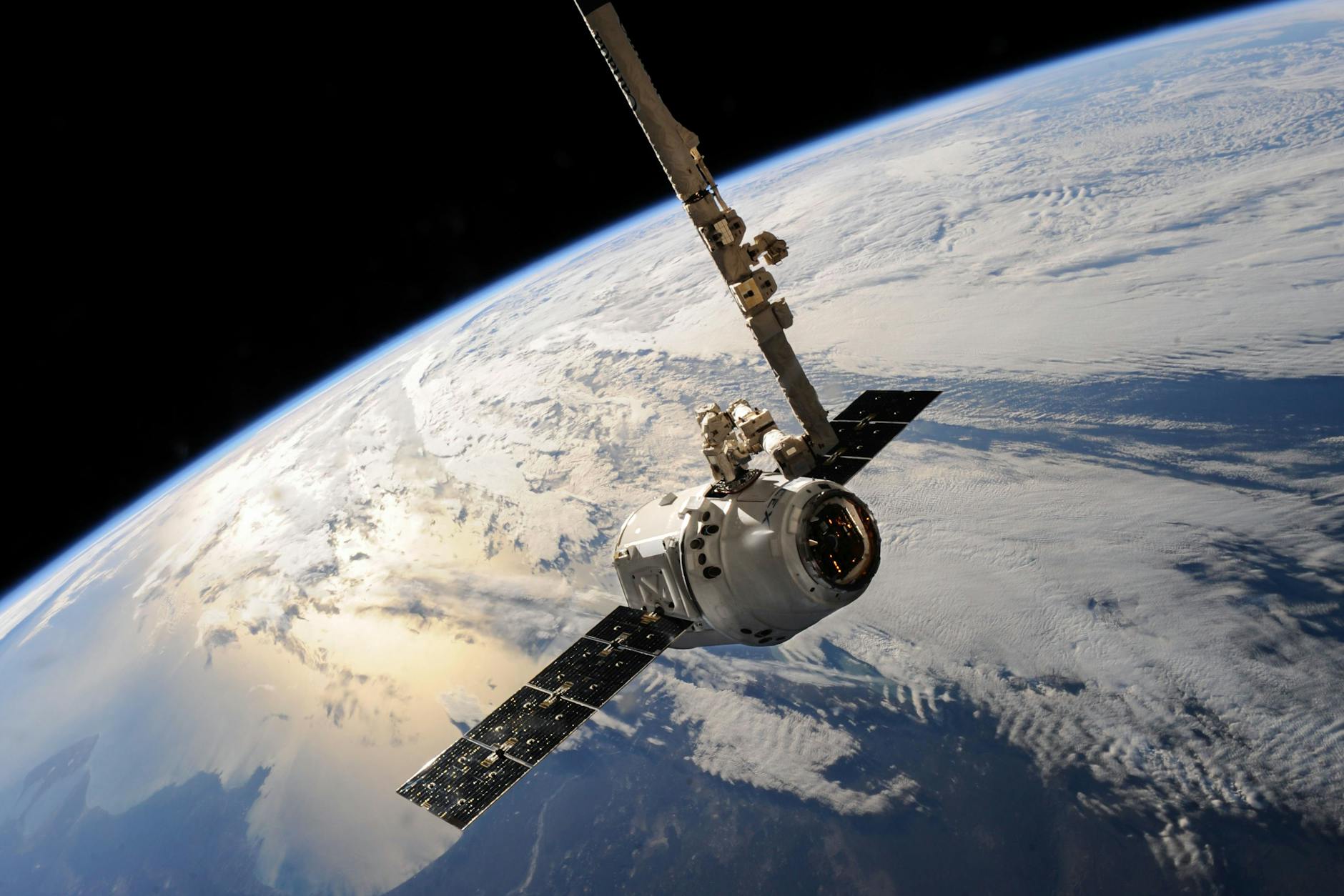
Elon Musk doesn't do small. He's got rockets that land themselves, cars that fly, and now he wants to blast AI data centers into orbit. Because, of course, where else would you put the planet's most energy-hungry, heat-spewing, NIMBY-baiting infrastructure? The public hates them on Earth. So let's just hurl them into the void. Problem solved, right?
Wrong. The economics are a dumpster fire. But Musk is betting big that orbital data centers are the future of computing. And like most things Musk, it's either a stroke of genius or a billionaire's fever dream. Probably both.
The Space Pitch: Cool, but Make It Make Sense
The logic is simple: data centers need power and cooling. On Earth, that means sucking up megawatts from strained grids and pumping out heat that makes neighbors furious. In space, you've got 24/7 solar power and natural deep freeze. No permits. No zoning fights. No angry town halls where residents wave signs saying 'Not in my backyard.'
SpaceX's pitch to investors: launch server racks into low Earth orbit, beam data down via laser links, and undercut terrestrial data centers on cost. It's the ultimate 'out of sight, out of mind' solution. Except the bill is astronomical—literally.
“The economics of space-based data centers are at least ten years away from making sense,” says Dr. Arun Majumdar, a Stanford professor and former ARPA-E director. “The launch costs alone eat any efficiency gains.”
SpaceX's Starship is supposed to change that. Reusable rockets slash launch costs, but we're still talking thousands of dollars per kilogram. A single hyperscale data center weighs tens of thousands of tons. Do the math. It's ugly.
The Real Problem: AI's Energy Gluttony
Let's be honest. The reason we're even considering orbital data centers is that AI is a power hog. Training a single large model like GPT-5 guzzled enough electricity to power a small country for a day. And inference—the actual running of AI apps—isn't much better.
By 2030, data centers could consume 8% of global electricity, up from 1% today. That's not sustainable. And it's not popular. Communities from Virginia to Ireland are fighting new data center construction. The backlash is real.
So Musk looks up. Space is infinite. No one lives there. No one complains. It's the ultimate escape hatch for an industry that's painted itself into a corner.
The Economics: A Black Hole for Cash
Here's where the dream meets reality. Launching a data center costs billions. Then you need to maintain it: replace failed drives, upgrade processors, deal with cosmic radiation that fries electronics. Robotic repair in zero-G isn't cheap. And if something goes wrong, you can't just send a tech with a screwdriver.
Then there's latency. Even in low Earth orbit, signals take 10-20 milliseconds round trip. That's fine for batch processing, but real-time apps like autonomous driving or financial trading? Forget it. They need sub-millisecond response times.
“Orbital data centers make sense for specific workloads: AI training, climate modeling, maybe some government stuff,” says Dr. Majumdar. “But for the wider market? Not yet.”
SpaceX is reportedly aiming for a 2028 test launch. The plan: a few racks of servers on a Starship, demo the concept, prove it works. If successful, scale to full-sized orbital clusters by the mid-2030s. That's a decade away. In AI years, that's an eternity.
The Competition: Not Just SpaceX
Musk isn't alone. Lockheed Martin and the European Space Agency are sniffing around orbital computing. Amazon's Project Kuiper is more about internet than data centers, but Bezos has the rockets. And China's space program is reportedly exploring the idea for military AI.
The race is on, but it's a marathon with a lot of hurdles. The biggest: space debris. Filling orbit with data centers is like parking a fleet of RVs on the freeway. One collision and you've got a cloud of shrapnel taking out satellites for decades.
The Verdict: Cool Tech, Bad Business
I want orbital data centers to work. I really do. The idea of beaming AI compute from the stars is poetic. It's the kind of audacious, sci-fi future that makes you believe in progress. But the numbers don't lie.
Launch costs need to drop by another factor of 10. On-orbit maintenance needs to be as easy as swapping a hard drive. And some rich country or company needs to be willing to lose billions on a prototype. Maybe that's SpaceX. Maybe it's someone else.
For now, the dream of orbital AI is just that: a dream. A beautiful, expensive, radiation-hardened dream. And we'll keep fighting over data centers on Earth until someone figures out how to make the math work in space.


