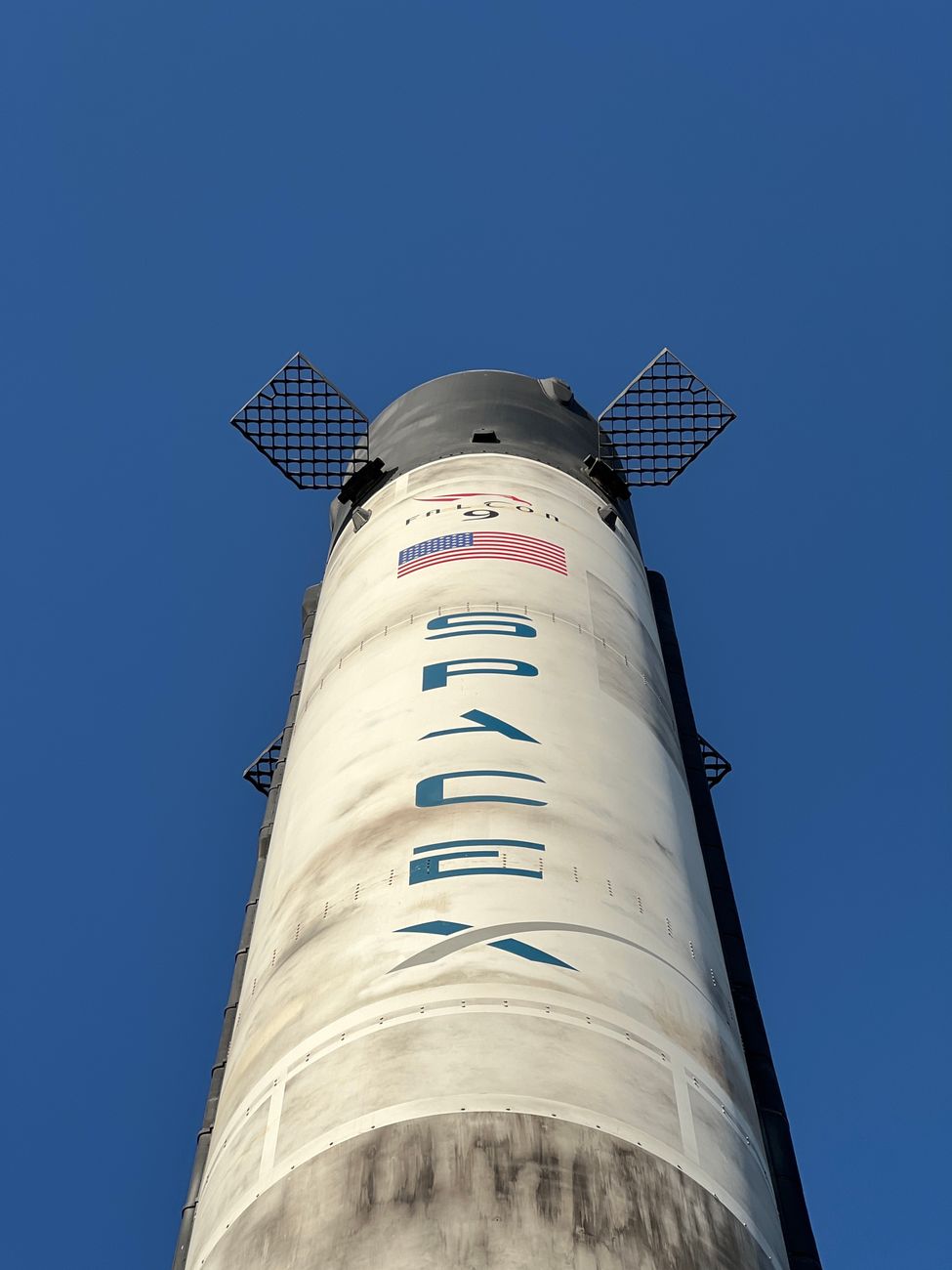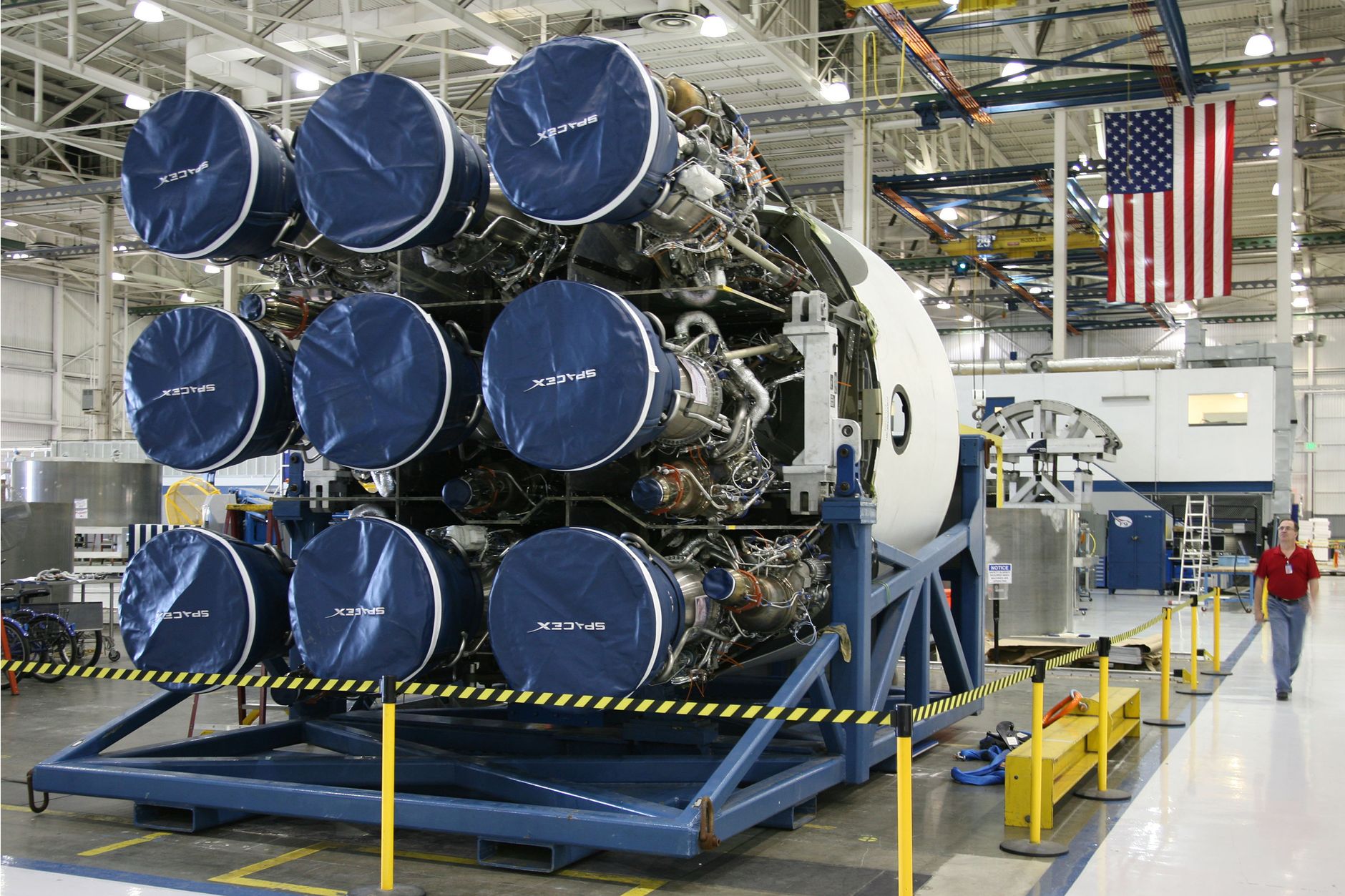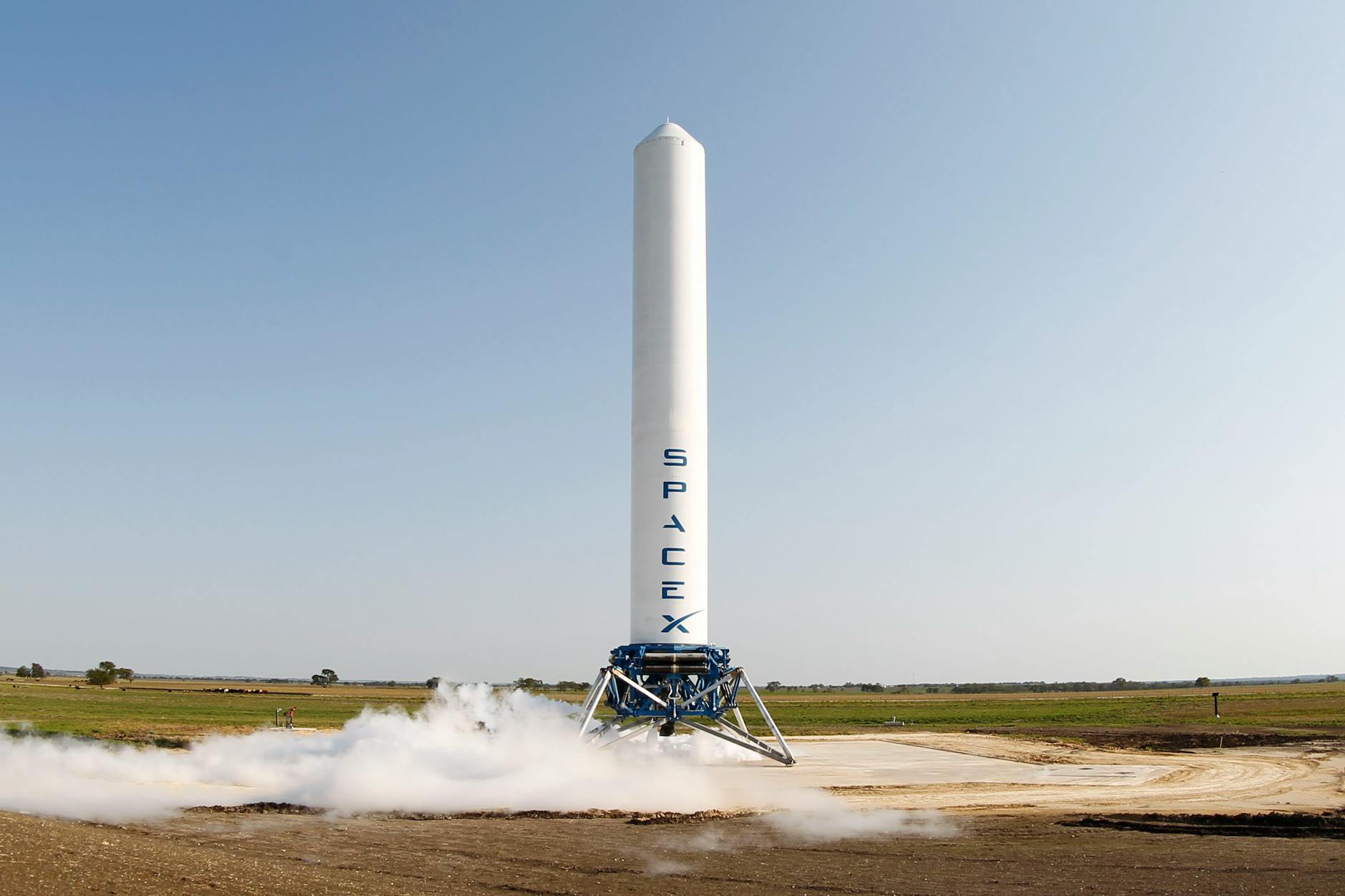
The numbers are obscene. SpaceX shares surged 37% after their historic debut last week, closing at a blistering $185 a share. That values Elon Musk's personal stake at over a trillion dollars. Let that sink in. A trillion. With a T. That's not just wealth — that's a number that breaks the brain.
But here's the thing nobody's talking about: Musk isn't the only billionaire in the room. Behind the headlines, a handful of other shareholders are quietly sitting on fortunes that would make most oligarchs weep. They don't build rockets. They don't tweet memes. They just wrote checks early and held on.
The Hidden Hands in the Rocket
SpaceX has always been a private company, which means its cap table is a secret guarded tighter than launch codes. But the IPO filing — yes, after years of saying "never," Musk finally took it public — spilled the beans. Among the top holders: Larry Ellison's trust, a few venture firms that rarely speak, and at least two sovereign wealth funds that prefer shadows.
Ellison's stake is now worth roughly $45 billion. That's more than Oracle's market cap in 2010. He didn't invent a new engine. He didn't sweat through a Starship test flight. He just had the good sense to call Musk in 2019 and say, "I'm in."
“Wealth in this era isn't about building — it's about betting on the right megalomaniac.”
And that's the ugly truth. The real winners in the space race aren't engineers. They're gamblers with good lawyers.
The IPO That Changed the Game
Last week's debut wasn't just a stock listing — it was a referendum on the cult of Musk. The offering price was $135. By day two, it was $185. Retail investors, locked out for years, piled in like it was GameStop on steroids. But the real action was in the pre-IPO allocations. Insiders got first dibs at $100. Some of them flipped within hours.
One fund manager I spoke to — who asked not to be named because he's not allowed to talk about his holdings — described the atmosphere: "It was like watching a casino where the house forgot to set the odds. Everyone who got in early knew they were holding a winning ticket. The only question was how much."
That's not investing. That's a heist with a prospectus.
The Billionaire Club Nobody Joins
Who else made the cut? The documents reveal a who's-who of tech royalty: Peter Thiel's Founders Fund, a chunk owned by a certain Saudi prince, and — this is the kicker — a mysterious LLC registered in Delaware that traces back to a Chinese internet conglomerate. None of them want their names in the paper. They don't need the attention. They just need the returns.
And the returns are sick. SpaceX now has a market cap of roughly $1.8 trillion. That's bigger than Apple. Bigger than Saudi Aramco. It's a company that, until last week, had never reported a full-year profit. But who cares about profit when you've got Mars on the mind and a government that pays you billions to send satellites up?
The real story here isn't the valuation. It's the concentration. A handful of people — maybe 50, tops — now control a chunk of the global economy that would have been unthinkable a decade ago. And they didn't earn it. They didn't build it. They just knew which eccentric billionaire to bet on.
What This Means for the Rest of Us
Let's be honest: this is bad. Not for Musk, obviously. He's now richer than most countries. But for everyone else? The wealth gap just yawned wider. The average SpaceX employee got a decent payout from the IPO, sure. But the janitor who cleans the Boca Chica facility? The welder who torches the stainless steel? They got options at $50 that they sold for $80 because they needed to pay rent. Meanwhile, Larry Ellison's stake went up $15 billion in a week.
That's not a market. That's a system rigged for the people who already own the dice.
I'm not saying Musk should be a socialist. I'm saying we should stop pretending this is meritocracy. It's not. It's a lottery where the tickets cost a million dollars and the winners are decided before the balls drop.
The Final Countdown
SpaceX is now the most valuable company in the world. It's also the most overvalued, if you believe the skeptics. But skeptics don't drive stock prices. Hype does. And Musk has more hype than anyone alive. He could announce a toaster oven tomorrow and the stock would jump 10%.
But here's the question that keeps me up: What happens when the hype runs out? Rockets explode. Markets correct. And trillion-dollar valuations built on dreams of Martian colonies are fragile things. One failed Starship test, one tweet too far, and that $1.8 trillion could vanish faster than a Falcon 9 on reentry.
For now, the billionaires are laughing. The rest of us are just watching the sky, wondering if the next big thing will leave anyone else a seat at the table.