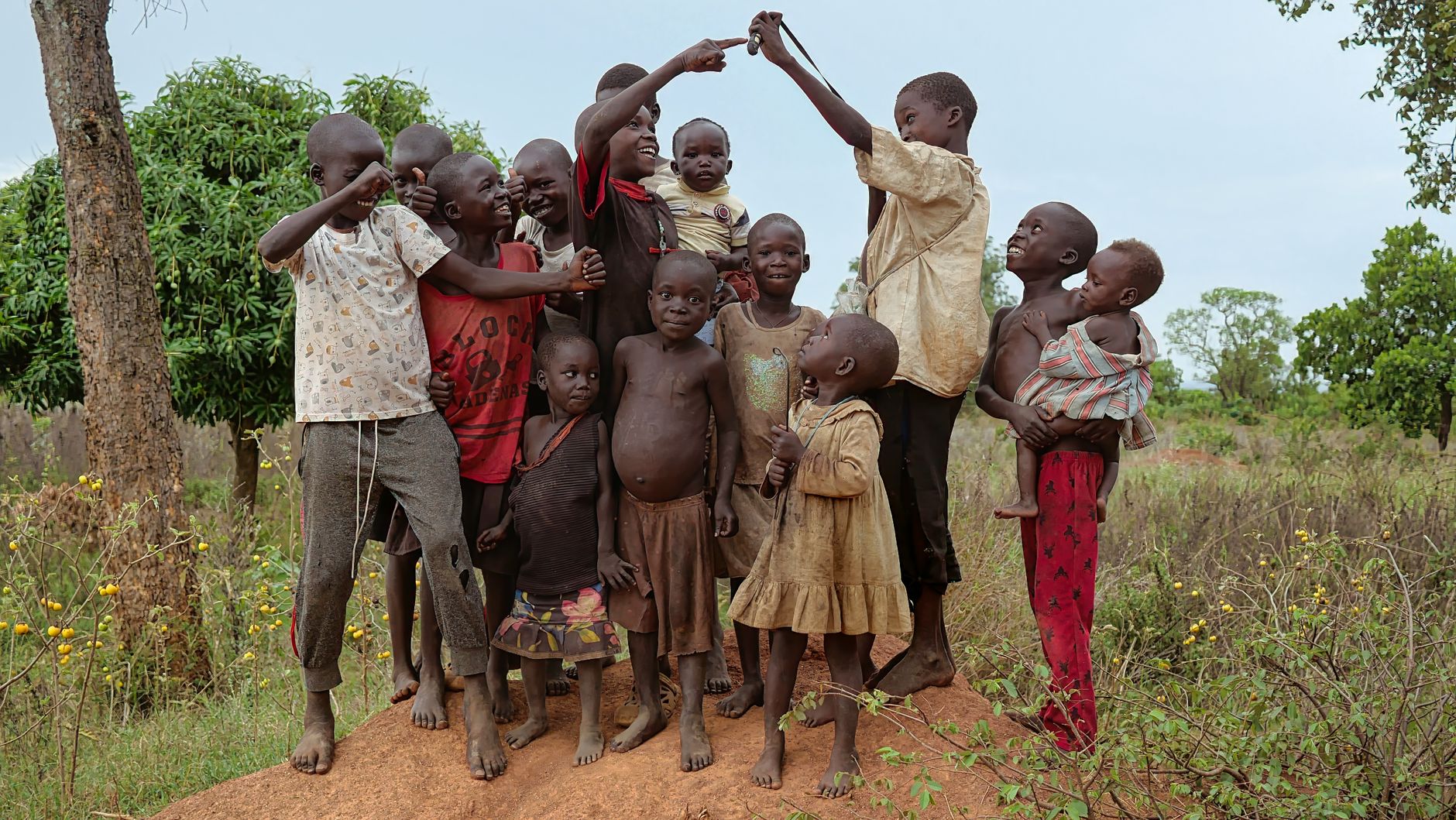
The math is simple. The tragedy is not. Sudan's war has thrown 8 million children out of school. That's not a statistic. That's a generation of kids who will grow up knowing how to dodge bullets better than they read a book.
The UN's warning landed Saturday like a stone in a pond that's already rippling with blood. Nearly three-quarters of the country's schools are damaged, looted, or occupied by armed men. 8 million. Let that number sit for a second. That's more than the entire population of Switzerland, all under 18, all without a classroom.
What Happened to the Classrooms?
It didn't happen in a day. It's been a slow, grinding destruction since April 2023, when the Sudanese Armed Forces and the Rapid Support Forces decided their power struggle was more important than a child's future. They've bombed schools. They've turned them into barracks. They've ripped out desks for firewood. In some places, the only books left are the ones used to light cook stoves.
The UN's education chief, someone who's seen too many wars, said it plainly: this is not just a humanitarian crisis. It's a catastrophic assault on an entire generation's potential. When you take away a child's classroom, you're not just taking away their ABCs. You're stealing their ability to imagine a different life. You're telling them the only future is the one at the end of a gun barrel.
Beyond the Numbers: The Human Toll
Numbers numb. Faces don't. There's a girl in Darfur who used to dream of becoming a doctor. Now she fetches water and hopes the militia men don't notice her. There's a boy in Khartoum who was top of his class in math. Now he's selling tea on a street corner, watching tanks roll by. These are the 'displaced' stories you don't hear on the news. The ones that don't fit into a soundbite.
An entire generation of Sudanese children is being sacrificed so a few men can fight over a piece of land that will be useless to them anyway.
And it's not just the schools. It's the teachers who've fled. It's the parents who've been killed. It's the trauma that sits in a child's chest like a stone. Even if the war ended tomorrow, you can't just reopen the doors and expect everything to be fine. The mental scars are deeper than the bullet holes in the walls.
The World's Response: Too Little, Too Late
Don't hold your breath for a miracle. The international community has been wringing its hands for over a year, issuing statements and holding summits that produce nothing but hot air. They called for ceasefires. They called for peace talks. They called for the protection of civilians. Meanwhile, the bombs keep falling.
Last year, the UN managed to get some food aid in for a while. Then the government kicked out the aid agencies. Now, the people are surviving on whatever they can scavenge. The children are the ones who suffer most. They're malnourished. They're sick. They're scared. And they have nowhere to go but the streets.
Compare this to how the world reacts when it wants to. When there's oil involved. When there's geopolitical strategy. When there's a deal to be made. Then the world moves fast. But Sudan? Sudan is just a country in trouble. No strategic value. No flashy resources. Just a million suffering children.
The Long-Term Scars
This isn't just about today. It's about tomorrow. And the day after. A generation without education is a generation without hope. And a generation without hope is a time bomb. These kids, when they grow up, will have no memories of peace. No skills to build anything. No faith in anyone. They'll be easy recruits for the next warlord who promises them a purpose.
The UN warns of a 'lost generation'. But it's worse than that. It's a generation that's being actively destroyed. Every day that passes, more schools are burned. More children are orphaned. More girls are married off because their families can't feed them. More boys are picked up by armed groups because they offer a meal and a gun.
Education is not a luxury. It's the difference between a future and a funeral. And in Sudan, funerals are winning.
I've covered wars in other places. I've seen children in refugee camps who've lost everything. But there's something different about Sudan. The sheer scale of the destruction. The complete absence of any political will to stop it. It's like watching a slow-motion genocide of a nation's mind.
A Glimmer in the Rubble
But even in this hell, there are sparks. Underground schools run in basements and under trees. Teachers who risk their lives to hold classes in the open air. Parents who pool what little they have to buy a blackboard. These are the quiet heroes. They're not on TV. They're not getting awards. But they're keeping a flame alive.
One teacher in Khartoum, who can't be named without putting his life in danger, told a rare story: 'We teach when we can. Under the stairs. In a mosque. If the guns are far enough, we open the books. The children want to learn. That's what the bombs can never take away.'
That's the human spirit right there. But let's be honest. Inspiration is not a plan. These underground efforts are a drop in an ocean of need. They cannot absorb 8 million kids. They cannot replace the infrastructure that's been destroyed. They cannot undo the trauma that's been inflicted.
What Needs to Happen — Yesterday
First, the guns need to fall silent. That's the only real solution. But since the world seems unable to do that, we need to at least fund the education programs that do exist. The UN is asking for money. It's not a sexy ask. There's no celebrity endorsing it. But every dollar counts. Every dollar means a child might get a pencil, a notebook, a chance.
Second, we need to put pressure on both sides. Sanctions. Diplomatic isolation. Whatever it takes to make them understand that this genocide of minds is not acceptable. They need to know that when this is over, there will be accountability. Not just for the war crimes, but for the crimes against humanity that come from starving children of knowledge.
Third, we need to plan for the long haul. Even after the war ends, the rebuilding will take decades. The psychological scars will take even longer. We can't just send in a few aid workers and call it a day. We need a Marshall Plan for Sudan's education system. New schools, trained teachers, psychosocial support. That's the only way to give this generation a fighting chance.
But don't hold your breath. The world has a short attention span. There will be a new crisis next week. A new disaster to tweet about. Sudan will fade into the background. And the children will be left to fend for themselves.
So what's the verdict? It's despair. It's anger. It's grief. But beneath all that, there's a stubborn hope. Because those kids in the underground schools—the ones who show up even when it's dangerous—they're not giving up. So maybe we shouldn't either.
The question is: will we act in time? Or will we let Sudan's children become just another footnote in history?