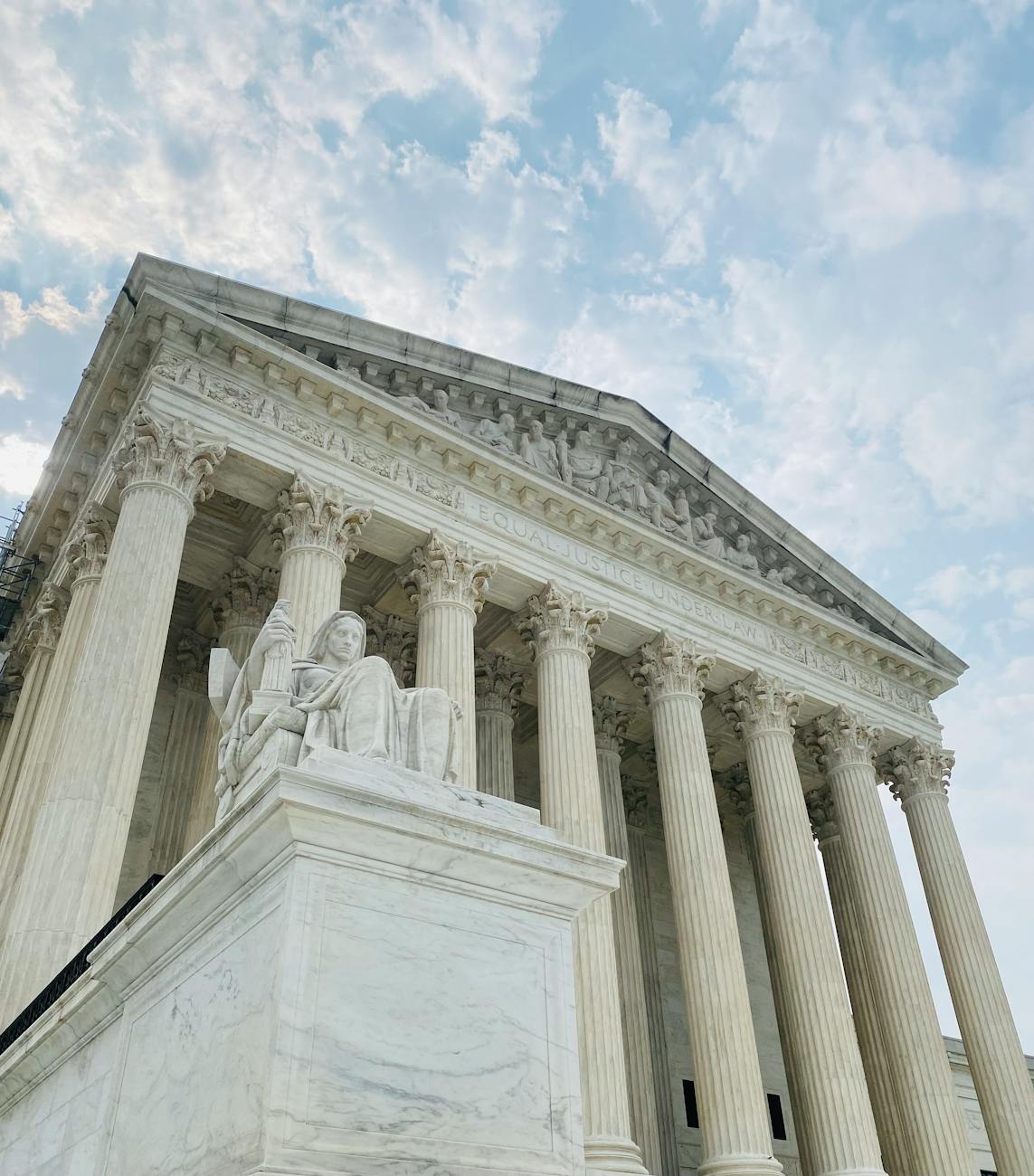
The Supreme Court just handed Donald Trump his biggest legal defeat yet. By a 5-4 vote Tuesday, the justices blocked his executive order that sought to end birthright citizenship—a right enshrined in the 14th Amendment for over 150 years.
Let's be clear: this wasn't close. Chief Justice John Roberts joined the court's three liberal justices and Justice Brett Kavanaugh to form the majority. The ruling says Trump's order 'conflicts with the plain text and historical understanding of the Citizenship Clause.'
The 14th Amendment Doesn't Bend for Anyone
The Constitution says: 'All persons born or naturalized in the United States, and subject to the jurisdiction thereof, are citizens.' That's it. No asterisks. No exceptions for whose parents came here illegally or on a tourist visa.
Trump's executive order, signed in the first week of his second term, tried to rewrite that. It declared that children born to non-citizens or undocumented immigrants would no longer automatically get citizenship. Immigration hardliners cheered. Constitutional scholars recoiled.
'This is not a close question,' said Justice Elena Kagan during oral arguments. She was right. The 14th Amendment was adopted after the Civil War specifically to overturn the Dred Scott decision, which said Black people couldn't be citizens. The idea that a president could nullify that with a pen stroke is bananas.
Why Kavanaugh Voted With the Liberals
Brett Kavanaugh—Trump's own appointee—wrote a separate concurrence that stunned many. He said the president 'overstepped his authority' and that 'the citizenship clause means what it says.'
That's not Kavanaugh going soft. It's him reading the Constitution. The guy's a textualist. He believes if the text is clear, you don't get to invent loopholes. And the text here is crystal clear.
The four dissenters—Thomas, Alito, Gorsuch, and Barrett—argued that the phrase 'subject to the jurisdiction thereof' gives Congress room to define citizenship. But that's a stretch. The 14th Amendment's framers intended 'jurisdiction' to mean allegiance, not immigration status. Anyone who's read the Congressional debates knows that.
'Birthright citizenship isn't a policy choice. It's a constitutional guarantee. The Supreme Court just reminded us that even a president must follow the law.'
The Real Fight Was Always Political
Trump made ending birthright citizenship a cornerstone of his second-term immigration agenda. He called it 'the biggest magnet for illegal immigration.' His supporters loved it. But the policy was always more about rallying the base than surviving legal scrutiny.
More than 20 states, led by Democratic attorneys general, sued within hours of the order's signing. Lower courts—including the famously conservative 5th Circuit—unanimously blocked it. The Supreme Court's ruling was the final nail.
What's galling is that Trump knew this was unconstitutional. His own White House counsel reportedly warned him. But he did it anyway, betting that a conservative-leaning court would find a way to uphold it. That bet lost.
What Happens Next
For now, nothing changes. Every child born on US soil remains a citizen. Immigrant families who were terrified by the order can breathe. Hospitals that were scrambling to figure out how to document citizenship can relax.
But don't expect Trump to give up. He'll likely push Congress to pass a law ending birthright citizenship—which would also be unconstitutional, since the Constitution can't be amended by statute. Or he'll try to relitigate the issue with a different legal theory.
The political fallout is already brewing. Republicans who backed the order are calling the ruling 'judicial activism.' Democrats are crowing. The 2026 midterms just got another flashpoint.
This Was Never About the Law
Let's be honest: this fight was never about what the Constitution says. It was about what Trump wanted to hear. He wanted to be told that he could unilaterally redefine who counts as American. The Supreme Court said no.
That's how the system is supposed to work. The president proposes, Congress disposes, and the courts check both. When one branch tries to grab power that isn't theirs, the others push back.
The decision is a win for the rule of law, but it's also a warning. Trump's order was a stress test for American democracy. It failed. But the fact that we had to have this fight at all shows how fragile our institutions can be.
In the end, the 14th Amendment survived. It always does. But next time, the assault might come from a different angle. And we might not have a Brett Kavanaugh to save us.