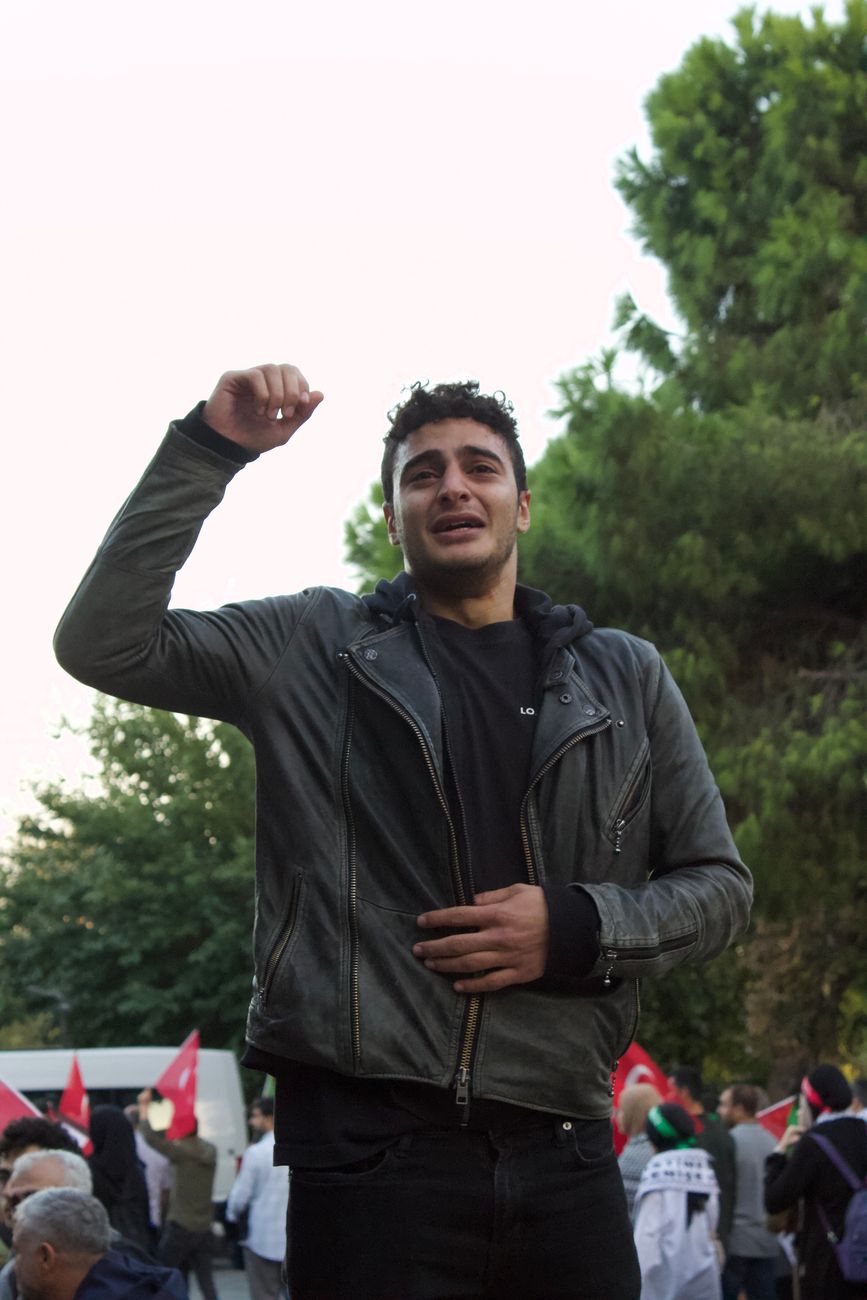
Hassan Akkad's phone rang at 3 a.m. Seventeen hours later, he was gone.
The Syrian activist and filmmaker, known for documenting the war from inside opposition-held areas, was pulled from his Damascus apartment Thursday. His crime? A few lines of text on social media.
Syrian journalist Mousa al-Omar filed a formal complaint against Akkad over comments posted to X, according to sources close to the case. The post, since deleted, criticized the Assad government's handling of reconstruction funds. By Friday morning, Akkad was in military intelligence custody.
No Charges, No Lawyer
Family members say they haven't been told where he's being held. No charges have been filed. No lawyer has been assigned.
“This is how they do it,” says Rami al-Halabi, a Damascus-based human rights lawyer. “A complaint from a pro-government figure, a quick arrest, and then you disappear into the system. Days or weeks before anyone knows where you are.”
Mousa al-Omar hosts a popular talk show on Syria's state-run television. He's known for his fierce loyalty to President Bashar al-Assad and has publicly called for crackdowns on dissent. His complaint accused Akkad of “spreading false news” and “undermining national unity” — charges that carry sentences of up to seven years under Syrian law.
“A complaint from a pro-government figure, a quick arrest, and then you disappear into the system.” — Rami al-Halabi, human rights lawyer
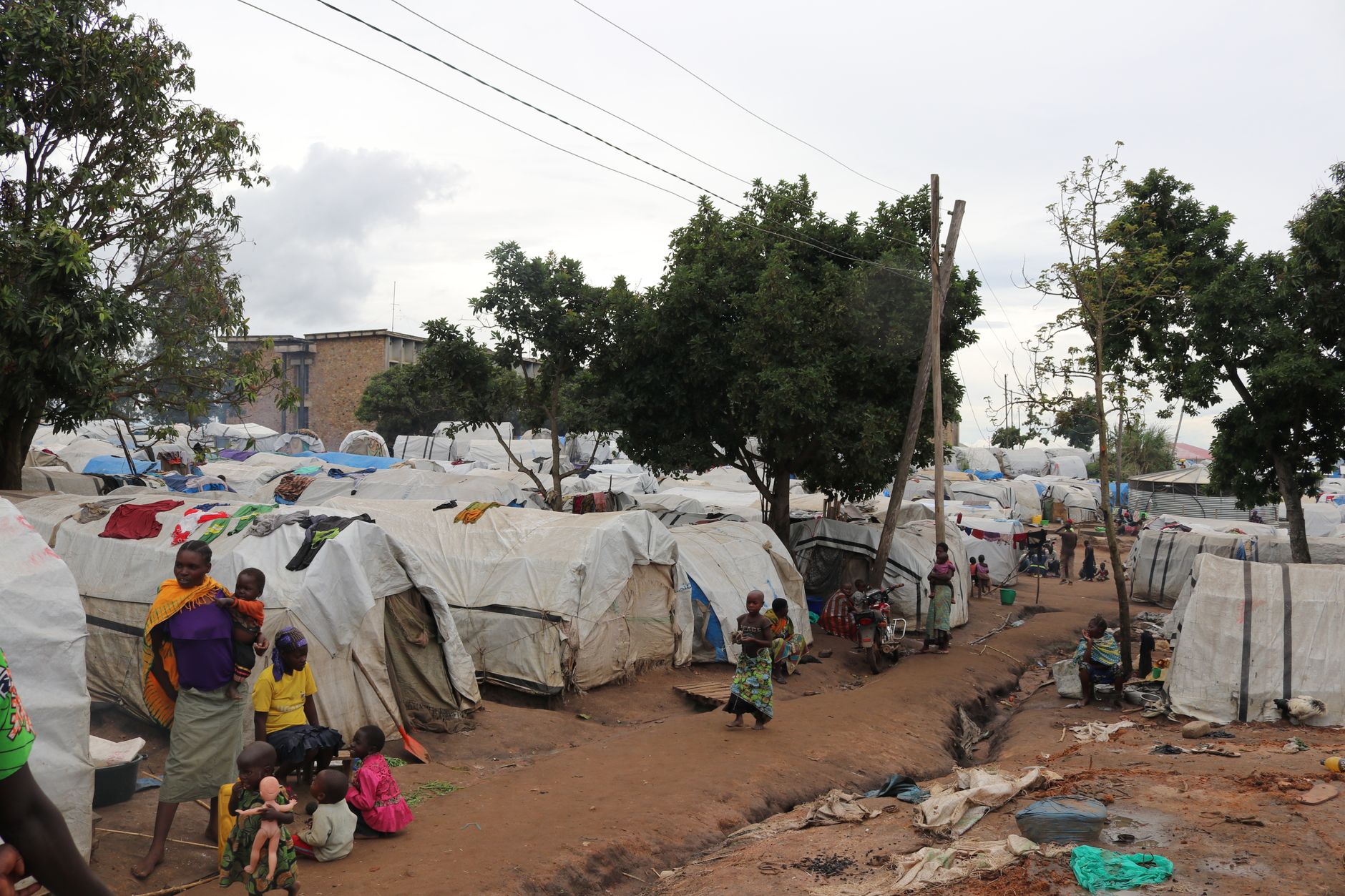
Akkad's arrest marks the latest in a string of detentions targeting activists who stayed in Syria after the civil war. While millions fled, Akkad remained. He built a following by filming daily life in opposition areas, then later from government-held Damascus after a 2018 reconciliation deal brought his hometown under state control.
His film Bread on the Table won awards at European festivals. In it, he showed families baking in bombed-out bakeries, children playing in rubble, and the quiet resilience of those who chose not to leave. That film also drew the ire of pro-government media, who called it “one-sided propaganda.”
The Price of a Post
The post that triggered his arrest was typical Akkad: blunt and specific. He questioned why reconstruction money was going to projects in Damascus's upscale districts while eastern Ghouta still lacked running water. It wasn't a call to arms. It wasn't an insult. It was a question.
That was enough.
Syria's cybercrime laws are a favorite tool for silencing critics. Article 25 of the country's Electronic Crimes Law punishes anyone who “publishes content that harms public order or national security.” The definition is deliberately vague. In practice, any criticism of the government qualifies.
Since 2020, at least 40 activists have been detained under these provisions, according to the Syrian Network for Human Rights. Most are still inside. A few have been released after signing pledges not to speak to media.
International Silence
International reaction has been muted. The U.S. State Department issued a statement expressing concern. The European Union called for Akkad's release. But with Syria's war largely off front pages and global attention fixed elsewhere, the pressure is weak.
“The world has moved on,” says Leila Fawaz, a Syria analyst at Tufts University. “Syria is still a police state, but nobody has the appetite for another round of diplomatic confrontation. Activists like Akkad are collateral damage of that fatigue.”
Whether Akkad will face a trial or simply vanish into the system remains unclear. His family is trying to locate him through local contacts. They've been told to wait.
“Syria is still a police state, but nobody has the appetite for another round of diplomatic confrontation.” — Leila Fawaz, Tufts University
On Friday, a small protest gathered outside the Damascus courthouse. Six people, maybe seven. They held up a photo of Akkad and a sign that read: “Where is Hassan?” Police dispersed them within minutes.
Hassan Akkad's last public post, dated Wednesday, was a photograph of a plum tree in his mother's garden. The caption: “Even here, something grows.”