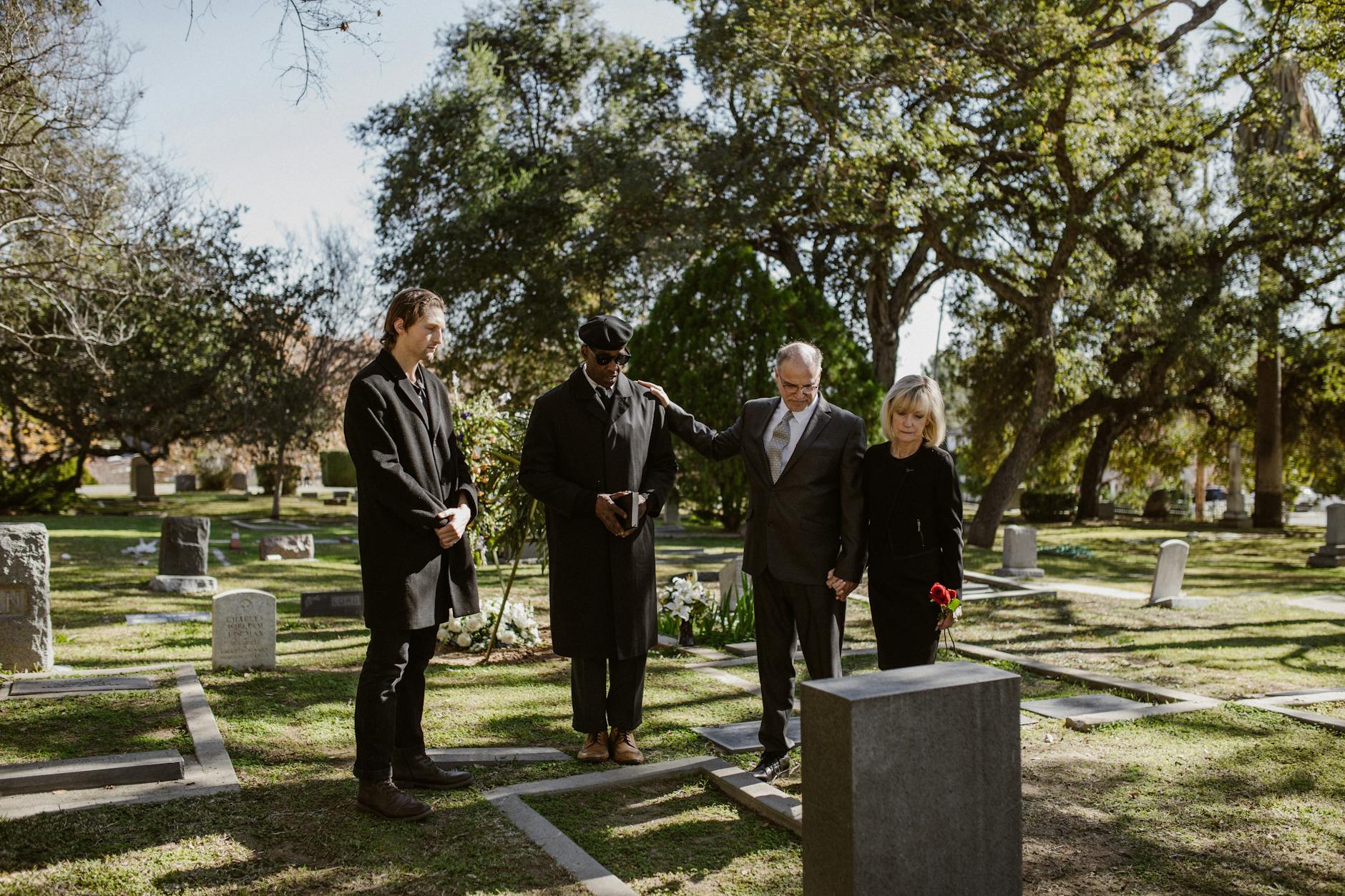
The man who made Memphis boom from Beale Street to the Billboard charts is gone. Tay Keith—producer, beatmaker, architect of the sound that defined a generation of hip-hop—died this week. His family didn't mince words in a statement released Friday: “He was a cultural force, a source of love, strength, laughter, and guidance.” They asked for privacy. They got prayers. But the silence in Memphis rap circles is deafening.
The Beat That Broke Through
Tay Keith didn't just make beats. He built anthems. His 808s hit like a sledgehammer on concrete. His snares snapped with the precision of a drumline. From BlocBoy JB's “Look Alive” to Drake's “Nonstop,” Keith's fingerprints are all over the last five years of rap. He didn't chase trends—he set them. When kids in Memphis, Houston, or Atlanta pressed play on a Tay Keith beat, they knew exactly what they were getting: raw energy, unapologetic bounce, and a groove that wouldn't quit.
He was 25 years old. Twenty-five. Think about that. In half a decade, he went from a kid with a laptop in Tennessee to a Grammy-nominated producer working with the biggest names in music. That's not luck. That's a force of nature.
“He was a cultural force, a source of love, strength, laughter, and guidance.” — Tay Keith's family
More Than a Beatmaker
To the outside world, Tay Keith was a hitmaker. To his family and friends, he was the guy who held it all together. The statement from his family painted a picture of a man who was equal parts hustle and heart. “He brought joy to everyone he met,” they wrote. “His laughter was infectious, his advice was steady, and his love for his craft was matched only by his love for his people.”
That part is easy to forget when you're scrolling through streaming numbers. Tay Keith wasn't just a name in the credits. He was a presence. In recording studios, he'd pace back and forth, headphones around his neck, muttering ad-libs over his own beats. He'd stay up all night to get a snare right, then hop on a plane the next morning to produce a session for a label exec. He treated every beat like it might be the one that changed his life. Because every time, it could have been.
The Memphis Sound, Amplified
Memphis has always had its own sound—gritty, slow, heavy. Tay Keith didn't invent it, but he sure as hell amplified it. He took the city's raw blues and turned it into something that hit stadiums. “Look Alive” wasn't just a hit; it was a statement. That beat—a simple, sinister loop of a Memphis blues sample—became a template for a thousand imitators. But nobody could do it like him.
He worked with everyone: Drake, Travis Scott, Migos, 21 Savage. But he never left Memphis behind. He'd call up local artists, give them beats for free, and watch them blow up. He knew that if you lifted your city, you lifted yourself. That's not just business. That's family.
A Loss That Echoes
The tributes have poured in. Rappers posted screenshots of old texts. Producers shared stories of late-night sessions. Fans looped his beats on social media. But the weight of this loss goes beyond the music. Tay Keith was a bridge. He connected the underground to the mainstream. He made it cool to be from the South, to be loud, to be unapologetic.
His family's request for privacy is understandable. Grief is a private affair, even when the world is watching. But the world is watching because he made it impossible to look away. His beats demanded attention. Now his absence does the same.
The Legacy of a Beat
What do you say about a producer who died at 25? That he had more hits than most veterans? That he changed the sound of rap? That he was a good son, a good brother, a good friend? All of it. None of it is enough.
Tay Keith's legacy isn't just in the songs—it's in the thousands of kids who will open FL Studio tonight and try to make a beat that sounds like his. It's in the next generation of producers who will sample a Memphis blues riff and think of him. It's in the family he left behind, who will carry his memory like a beat they can never stop hearing.
Rest in power, Tay. The 808s will never sound the same.