The 1966 World Cup in England was supposed to be football’s coming-out party. Instead, it became a showcase of colonial arrogance. Africa didn’t just lose—it refused to play.
In the years leading up to the tournament, FIFA had promised the continent a direct qualifying slot. But in 1964, the promise vanished. African teams were told they’d have to beat Asia and Oceania just for a single spot. The message was clear: Africa didn’t matter.
The Promise That Never Came
In 1960, FIFA’s Congress voted to allocate Africa a guaranteed place in the 1966 World Cup. It was a small gesture, but for newly independent nations, it meant something. They saw the pitch as a stage for dignity.
Four years later, FIFA backtracked. The Executive Committee ruled that African and Asian teams would have to compete in a playoff for one spot. Africa had 18 entrants. All of them withdrew.
“We are not asking for charity. We are asking for equality.” — Sir Stanley Rous, FIFA president at the time, paraphrasing African resistance.
The boycott wasn’t just about a slot. It was about being seen as children in the game. Europe and South America controlled FIFA. Africa was expected to wait its turn.
Money Over Morals
England’s organizing committee feared commercial damage. Sponsors didn’t want a tournament that looked like a white man’s club. But FIFA didn’t bend. The voting blocs—Europe and South America—held the power.
In the end, Asia and Africa shared a single spot. North Korea took it. And then North Korea shocked the world by reaching the quarterfinals. The irony wasn’t lost on African journalists. “If we had played, maybe we would have done the same,” one wrote.
The Ghosts of 1966
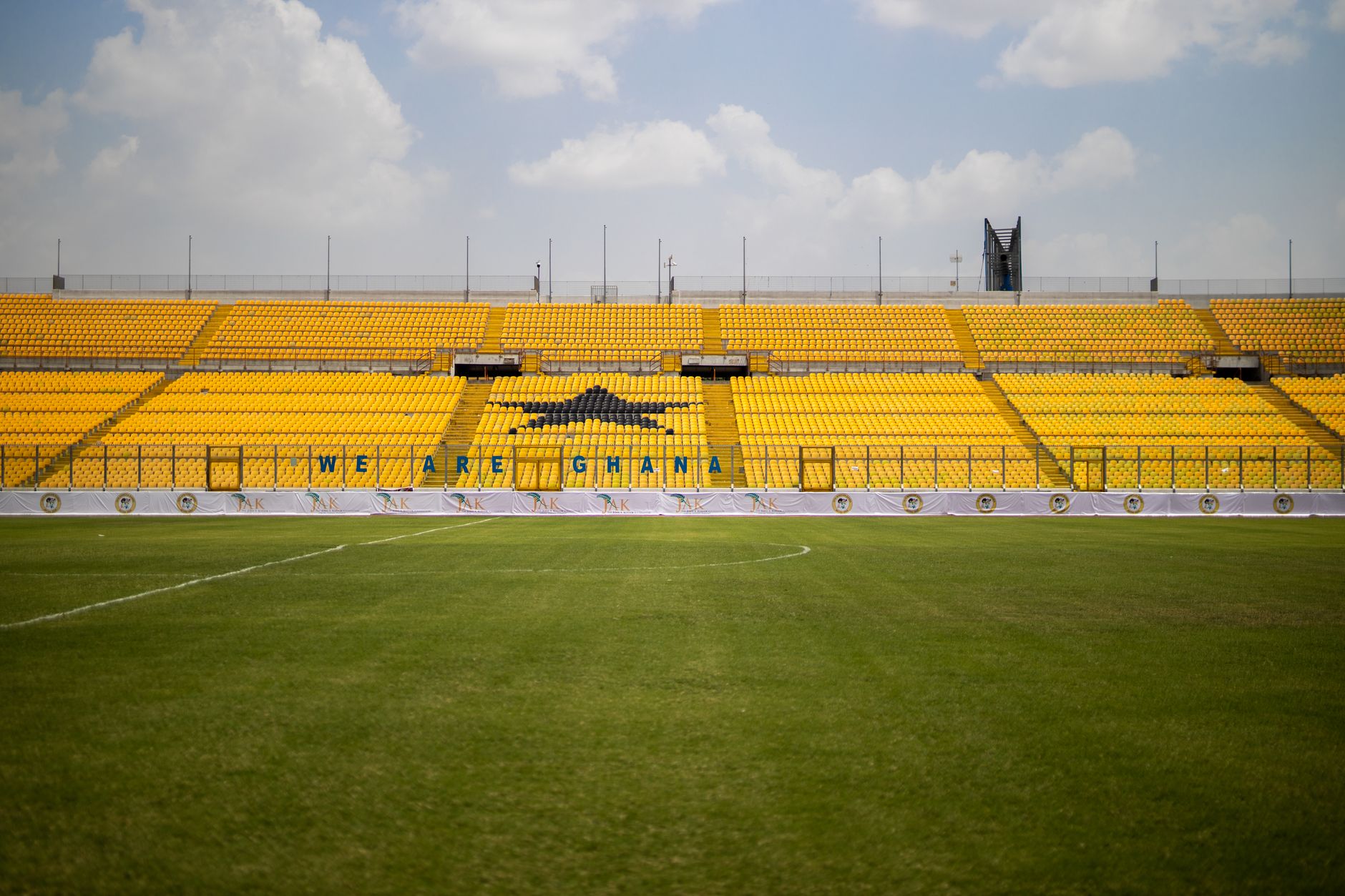
The boycott had consequences. African teams didn’t play in a World Cup until 1970, when Morocco qualified. But the stain remained. The 1966 tournament is remembered for England’s win, for Geoff Hurst’s hat-trick, for the Jules Rimet trophy. But it should also be remembered for the empty seats where African fans should have been.
Today, Africa has five guaranteed slots. The continent produces some of the world’s best players. But the memory of 1966 still stings. Every time an African team steps onto the pitch, they carry the ghost of that boycott.
FIFA has never apologized. The old guard is gone. But the lesson endures: respect isn’t given. It’s demanded.