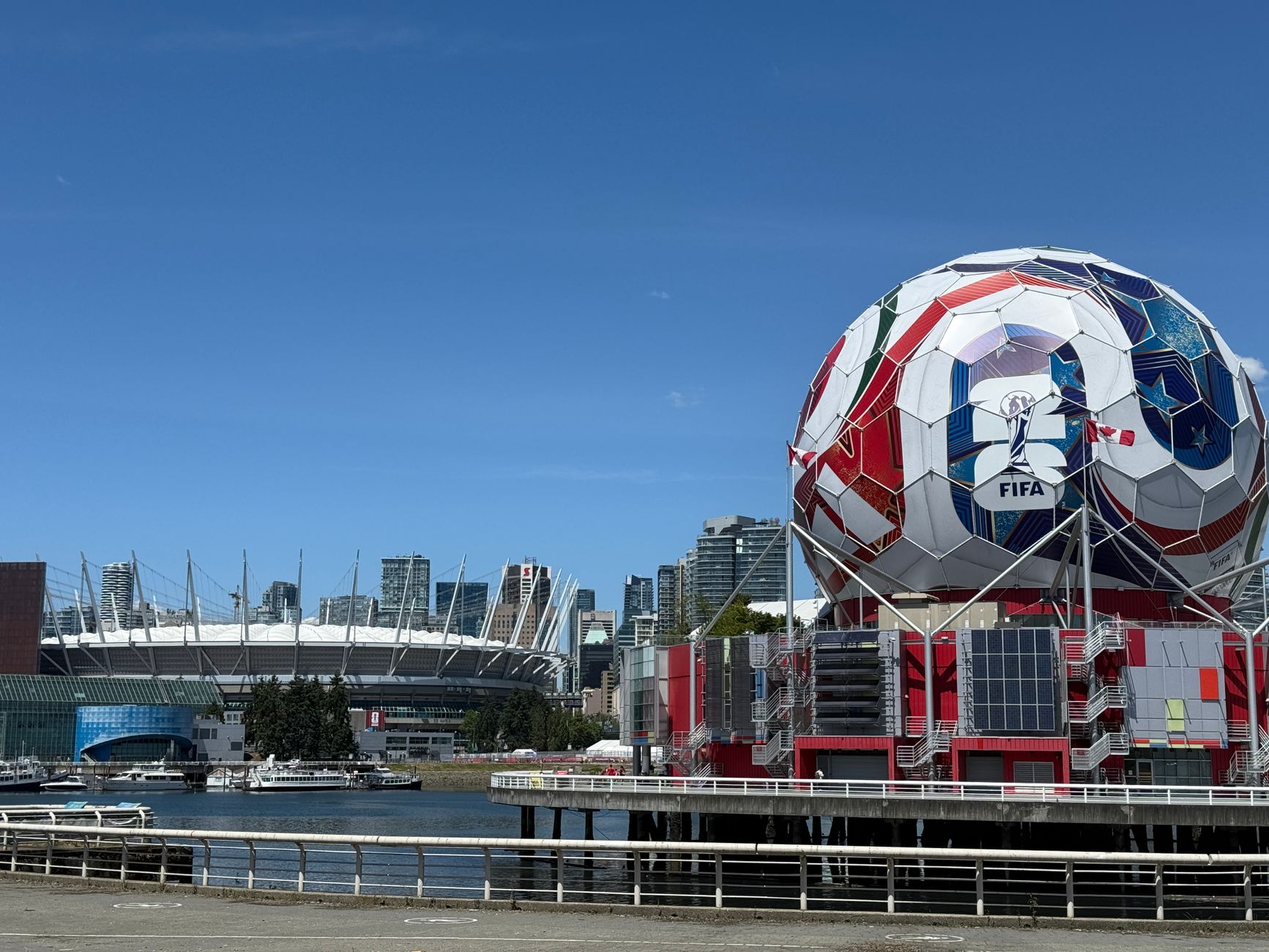
The beautiful game, reduced to a handshake. Two matches in the final round of group games present the chance for two teams to simply play out a draw to qualify. That’s not sport. That’s a symptom of a tournament that’s been bloated beyond reason.
FIFA’s decision to expand the World Cup to 48 teams was sold as a gift to the global game. More nations, more dreams, more drama. But what we’re getting is more dead rubbers, more tactical non-aggression pacts, and more matches that feel like they’re being played under a gentleman’s agreement rather than a competitive fire.
The 48-Team Monster
Let’s do the math. Under the old 32-team format, group stage finales often produced edge-of-the-seat tension. Two teams needing a win, one needing a draw, the other needing a miracle. Now, with 16 groups of three, the final round is a scheduling nightmare and a tactical minefield. In a three-team group, the last match is always between two teams who know exactly what they need. And if a draw suits both, you get a non-match.
When a draw serves both teams, the game becomes a farce. Fans pay top dollar for a 90-minute negotiation.
Take Group X: Team A and Team B both have three points from their opening matches. They face each other last. A draw sends both through. The third team, with zero points, watches from the sidelines, helpless. The result? A cagey, risk-averse affair where neither side dares to attack. The ball gets passed sideways, the clock ticks, and the crowd boos. That’s the 48-team World Cup.
The Draw Epidemic
We’ve seen it before. In 1994, the infamous “Disgrace of Gijón” between Germany and Austria saw both teams qualify with a result that eliminated Algeria. That was a scandal. Now, it’s baked into the format. FIFA claims the new structure reduces collusion, but it actually incentivizes it. When a draw is enough, why risk losing?
The math is simple: with three teams per group, one team gets eliminated after two matches. The remaining two can collude in the final game. Even if they don’t actively fix the result, the tactical conservatism kills the spectacle. The game shrinks. Players take fewer risks. Coaches set up not to lose. It’s the antithesis of World Cup drama.
More Teams, Less Quality
The expansion was supposed to give smaller nations a shot. And yes, seeing a team like Cape Verde or Tahiti on the big stage is charming for about five minutes. But the law of diminishing returns kicks in fast. The gap between the top 20 and the bottom 20 has never been wider. Matches end 6-0, 7-1, 8-0. Competitive balance? A myth.
Consider this: in the 2022 World Cup (the last 32-team edition), the group stage produced several thrillers. Saudi Arabia beat Argentina. Japan stunned Germany and Spain. Morocco reached the semis. Those upsets happened because the format forced teams to take risks. In a 48-team setup, the minnows are cannon fodder, and the big boys can coast.
“But the revenue!” cry the FIFA suits. More matches mean more broadcast deals. More ticket sales. More sponsorship dollars. The World Cup has never been just about sport—it’s a cash cow. But when you milk a cow too hard, you get sour milk. The product is diluted. The brand suffers.
The Solutions Nobody Wants to Hear
Fix number one: go back to 32. But the toothpaste is out of the tube. FIFA won’t lose that revenue. Fix number two: change the group format to four-team groups. That’s 32 groups of three? No, that’s worse. Fix number three: allow draws, but have a knockout round for third-place teams. That’s complex but possible.
Or, the most radical idea: abolish draws altogether. Every game must have a winner. Penalty shootouts from match one. Sound crazy? It would eliminate the collusion problem overnight. No team can settle for a point. Every match matters. The purists will scream, but the alternative is watching teams play patty-cake while the world yawns.
The Bottom Line
FIFA has created a monster that feeds on mediocrity. The 48-team World Cup doesn’t expand the game—it waters it down. It turns the group stage into a qualification lottery where a handshake can be more important than a goal. The beautiful game deserves better. The fans deserve better. And those two teams playing out a draw in the final round? They’re not competitors. They’re co-conspirators in a farce.
Wake up, FIFA. Or the World Cup will become just another bloated, boring tournament nobody remembers.