The produce aisle has become a horror show. Walk into any grocery store and you'll see it: shoppers eyeing those glossy apples like they're ticking time bombs. A recent survey dropped a bomb — 40% of Americans are now avoiding fresh fruits and vegetables. That's not a diet trend. That's a public health emergency wearing a banana peel as a mask.
What the Hell Happened?
Earlier this summer, a massive outbreak of Cyclospora — that's the fancy name for explosive, week-long diarrhea — tore through 22 states. Over 1,200 confirmed cases, hundreds hospitalized, and the CDC traced it back to contaminated basil from a single Mexican farm. But here's the kicker: this wasn't an isolated incident. We've seen outbreaks linked to romaine, cantaloupe, even frozen berries. Each time, the advice is the same: wash your produce. But you can't wash away a parasite that's already inside the leaf.
The survey, conducted by the Food Industry Association, reveals a seismic shift in consumer trust. Nearly half of respondents said they're buying fewer fresh items, opting for frozen or canned instead. Some have simply given up. "I used to make salads every day," one woman told me. "Now I look at a bag of spinach and see a biohazard."
“You can't wash away a parasite that's already inside the leaf.”
RFK's Great Food Reset — Minus the Safety
Robert F. Kennedy Jr. has been on a crusade to remake American food. He's taken aim at seed oils, high-fructose corn syrup, and processed junk. He's championed regenerative agriculture and farm-to-table ideals. All noble stuff. But while he's been preaching about the evils of ultra-processed food, the basic safety net under our fresh produce has frayed.
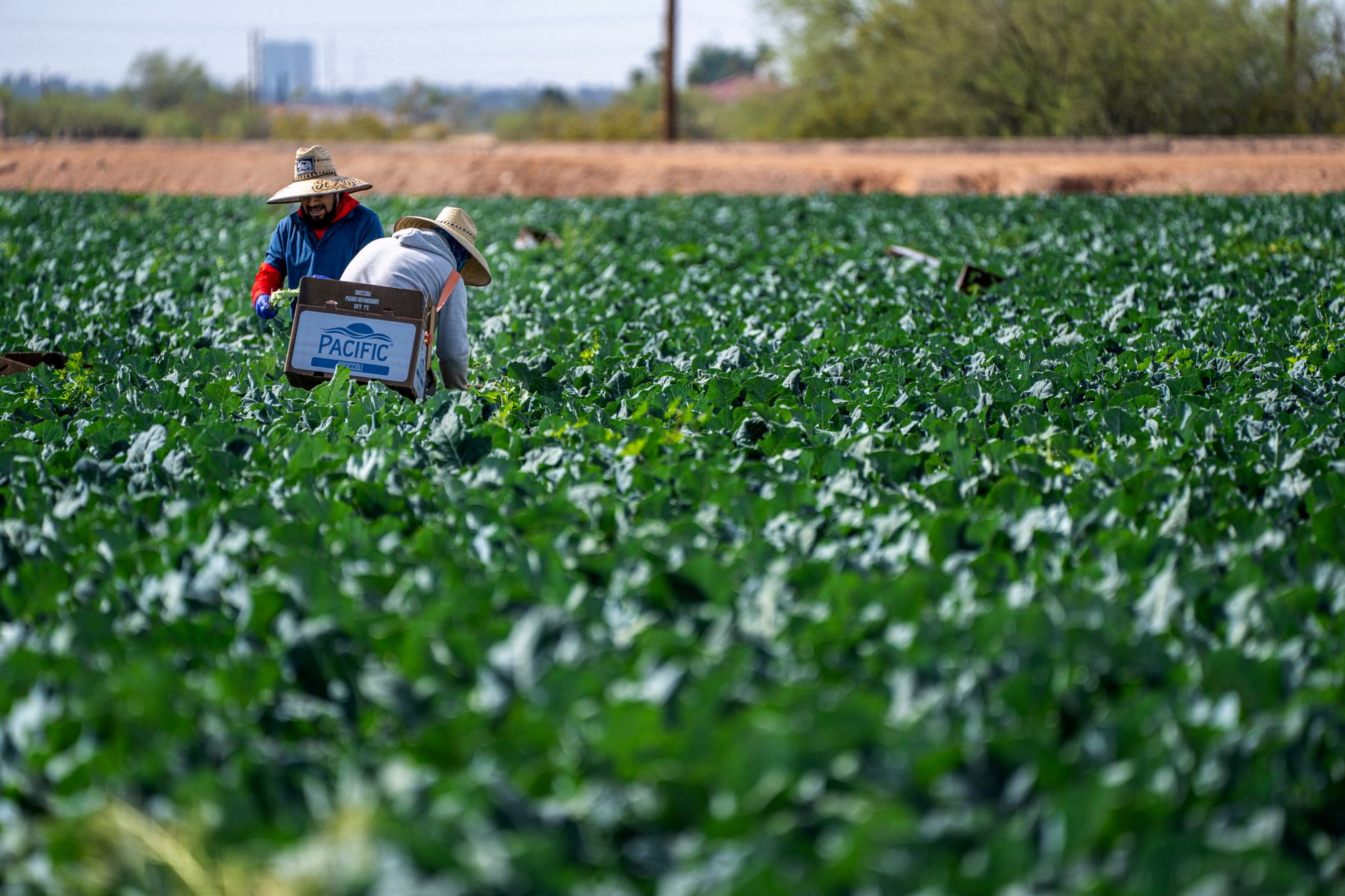
Critics point out that Kennedy's Department of Health and Human Services has slashed funding for food safety inspections. The FDA's produce safety division lost 15% of its budget last year. Fewer inspectors mean fewer checks on imported produce. And guess what? We import nearly 60% of our fresh fruits and vegetables. The basil that made people sick came from a farm that hadn't been inspected in three years.
"He's talking about 'Make America Healthy Again,' but he's ignoring the basics," said Dr. Maria Flores, a former FDA official. "You can't have a healthy nation if people are scared to eat a salad."
The Psychology of Fear
This isn't just about germs. It's about trust. When you hear about an outbreak, your brain does a quick calculus. The risk might be low, but the consequences are gross — and potentially deadly. So you skip the berries. You buy frozen broccoli instead. Over time, that avoidance becomes habit.
Food safety experts call it the "romaine effect." After the 2018 E. coli outbreak linked to romaine lettuce, sales dropped 40% and took years to recover. Now we're seeing that pattern on a wider scale. The produce industry is panicking. Growers are begging for better traceability, but the tech isn't cheap, and the political will is shaky.
There's a deeper irony here. The very people who are avoiding fresh produce are often the ones who can least afford to. Fresh fruits and veggies are expensive enough. When fear drives you to processed alternatives, you're trading a small risk of illness for a guaranteed diet of preservatives and empty calories. Kennedy's war on processed food becomes irrelevant if people are driven to it by fear.
Who's to Blame?
Let's spread the blame around. The FDA for lax oversight. Congress for underfunding food safety. The produce industry for dragging its feet on traceability. And yes, Kennedy for focusing on the glamour issues while ignoring the plumbing.
But the real culprit might be us. We've become a nation of consumers who demand cheap, perfect produce year-round. That means importing from countries with weaker safety standards. It means relying on a supply chain that's too complex to police. We want our winter tomatoes and our summer berries in December, and we don't want to pay for the safety that makes that possible.
What Comes Next?
The CDC is still investigating. More cases may surface. The basil farm in Mexico has been shut down, but the damage is done. Trust is a fragile thing. You can lose it in a single outbreak and spend years earning it back.
If you're one of the 40%, I get it. I've hesitated at the salad bar too. But here's the thing: the answer isn't to give up on fresh food. It's to demand better. Call your representatives. Ask where your produce comes from. Support local farmers who are accountable. And yes, wash your damn vegetables.
But mostly, ask yourself: if we can't trust a bag of spinach, what can we trust? That's a question that goes beyond food. It's about whether the systems we rely on — government, industry, agriculture — can still protect us. Right now, the answer is a queasy maybe.