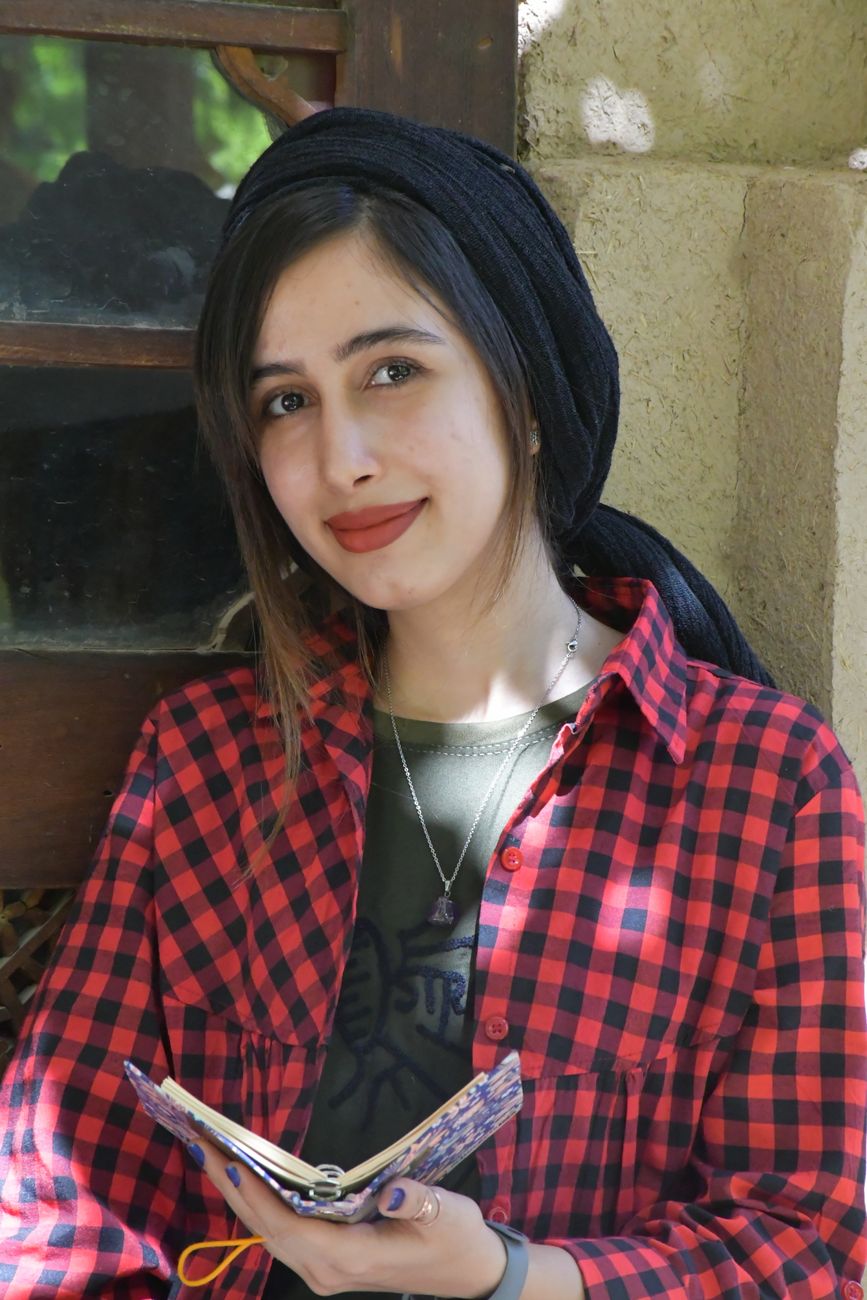
Eva Maria Michelmann is back. Not with a bang, but with the quiet relief that only a family who thought they'd lost her can feel. Her brother broke the news Friday: she's home, out of Syria, out of Raqqa, after six months in the hands of a regime that doesn't much care for journalists asking questions.
We don't know the details of her release. Not yet. Maybe we never will. That's how these things work — quiet diplomacy, back channels, a favor called in, a blind eye turned. The public gets the headline; the family gets their sister back. The rest is silence.
But here's what we do know: Michelmann, a journalist whose work has taken her to some of the world's dark corners, walked into Syria and disappeared. For half a year, she was a ghost — a name on a list, a case number, a prayer at dinner tables in Germany. And now she's standing on German soil, breathing air that doesn't smell like concrete and fear.
“She's home. That's all that matters right now.” — her brother, speaking on condition of anonymity
The Raqqa Trap
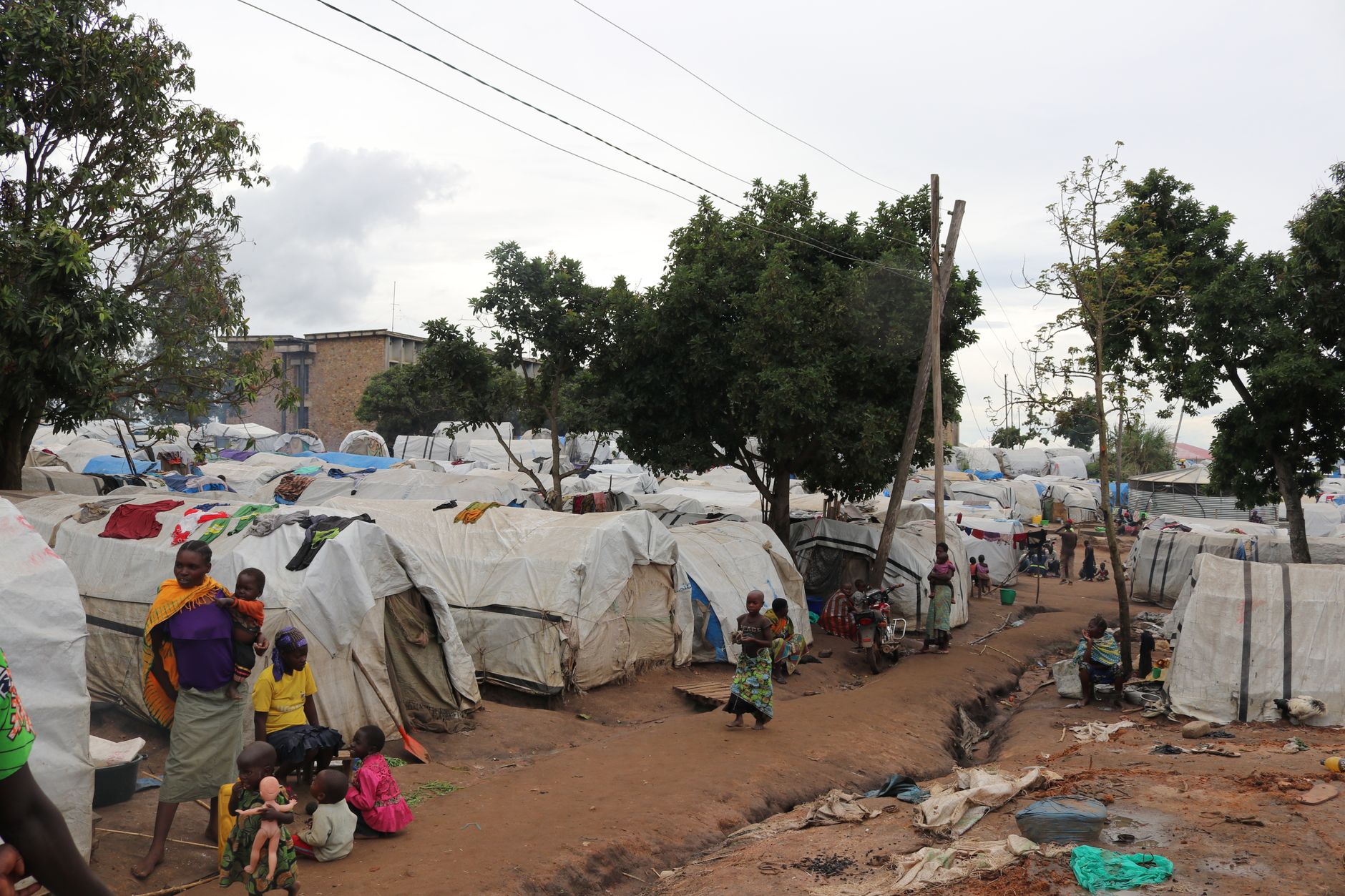
Raqqa. The name alone is a warning. Once the capital of ISIS's so-called caliphate, now a city rebuilt by a regime that doesn't tolerate dissent. Journalists travel there at their own risk. Michelmann knew that. She went anyway.
That's the thing about journalists — the good ones, anyway. They don't stay home because the neighborhood is dangerous. They go because that's where the story is. Michelmann went to Raqqa to report on reconstruction, on the people trying to piece their lives together after years of war. Instead, she became the story.
The regime detained her in January. No charges. No trial. Just a room, a door that locked from the outside, and questions that never stopped. For six months. That's 180 days of not knowing if someone was coming for you. Of wondering if anyone even knew you were there.
Her family knew. They fought for her. They went public, made noise, kept her name alive when the regime would have preferred she disappear into the dark. And eventually — somehow — it worked.
A Pattern of Disappearances
Michelmann isn't the first journalist to vanish in Syria. She won't be the last. The Committee to Protect Journalists keeps a grim tally: Syria is one of the most dangerous places in the world for reporters. The regime detains them. The opposition kidnaps them. ISIS beheads them. And the rest of the world shrugs, because Syria fatigue is real and the headlines are old.
But every so often, a case breaks through. A family refuses to be silent. A government applies pressure. A prisoner exchange happens quietly in the dead of night. And someone comes home.
Michelmann is lucky. Not because she was treated well — we have no evidence she was. But because she got out. Others are still there, still waiting, still hoping that someone remembers their name.
The Quiet After
Now comes the hard part: the quiet after. The decompression. The slow realization that you're free, but your mind is still in that room. Michelmann will need time. She'll need space. She'll need people who understand that the trauma doesn't end when the door opens.
Her family has asked for privacy. Fair enough. They've earned it. But for those of us who follow this stuff, who care about press freedom and the people who risk everything to tell us the truth, we can't just move on. We have to remember.
Remember that Raqqa is still a place where journalists disappear. Remember that the regime still sees reporters as threats. Remember that the fight for a free press doesn't end when one story gets a happy ending.
Michelmann is home. That's the good news. The bad news is that the next journalist is already in the crosshairs. And the one after that. And the one after that.
We don't know yet what Michelmann will say about her ordeal. Maybe she'll write a book. Maybe she'll give an interview. Maybe she'll never speak of it again. Whatever she chooses, it's her story now. She paid for it in a currency no one should have to spend: six months of her life.
Welcome home, Eva. We're glad you made it. And we're sorry it took this long.