The US Navy killed three people this week. They say it was a drug boat. They say it was self-defense. They say a lot of things.
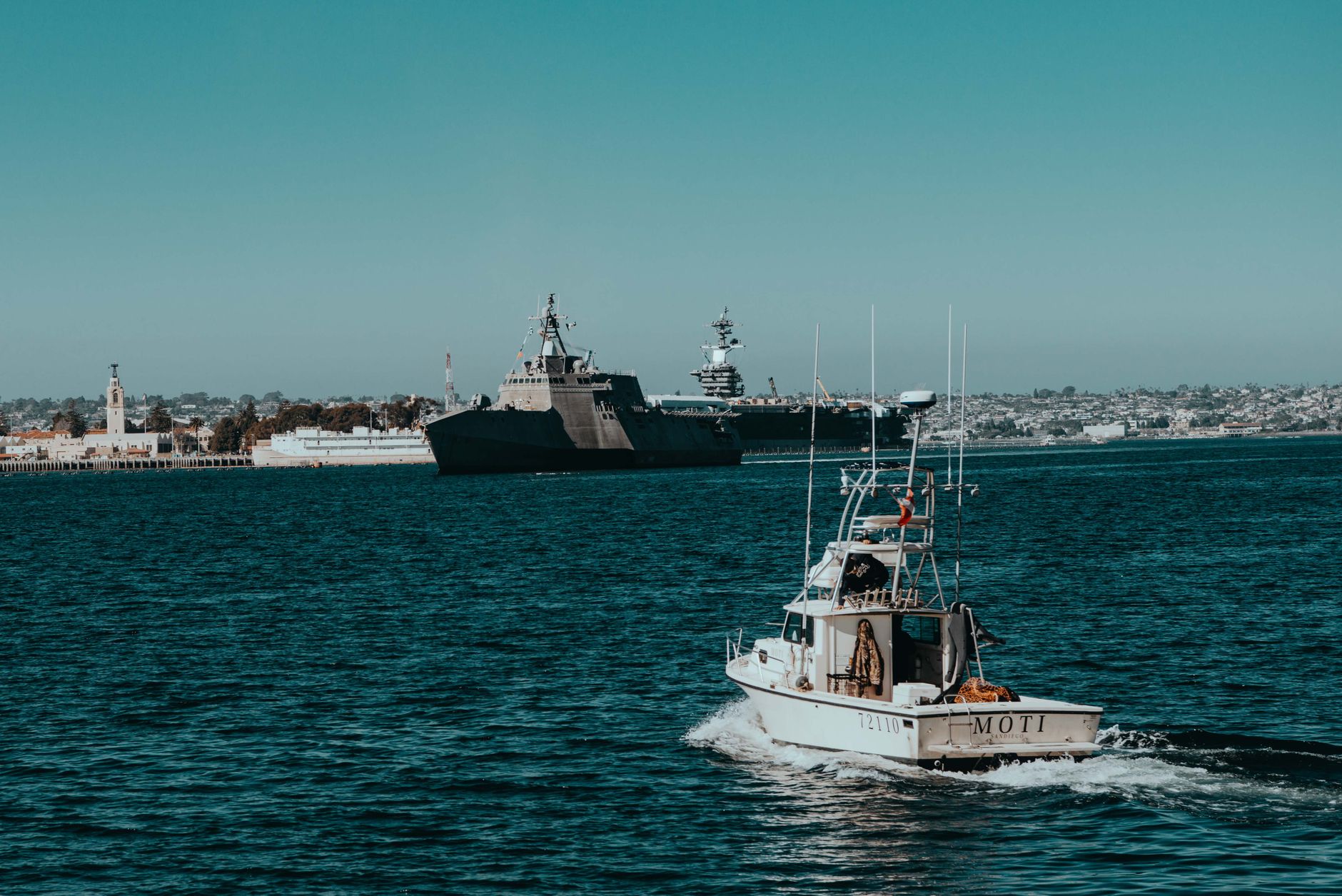
The strike happened in the Eastern Pacific, 400 miles off the coast of Colombia. A fishing vessel—call it a rickety wooden tub—was spotted by a US surveillance plane. The Navy sent a helicopter. Shots were fired. Three men died. The boat sank.
Washington called the occupants 'narco-terrorists.' The term is convenient. It lumps drug runners and militants together, making them fair game for a missile instead of a handcuff.
Shoot First, Ask Later
This isn't the first time. Over the past year, the US military has struck at least six vessels in the Eastern Pacific under the same justification. The official line: these boats are threats—armed, fast, and linked to cartels that also fund insurgents. But here's the thing: not one of those strikes has been followed by a public release of evidence. No photos of weapons recovered. No intercepted communications. Just a press release and a body count.
The Navy claims the helicopter crew fired after being fired upon. But eyewitnesses? There aren't any. The only survivors are fish.
It's a war on drugs, but the battlefield is a lawless ocean, and the rules of engagement are written in smoke.
The Legal Black Hole
International law treats the high seas differently. A military can't just sink a civilian vessel because it suspects drugs. There has to be a clear threat. The US insists there was. But the threshold for 'threat' has been lowered so far that a fishing rod might qualify.
Meanwhile, the drug flow continues. According to the DEA, cocaine seizures in the Eastern Pacific actually dropped 12% last year. So if the goal is interdiction, these strikes aren't working. If the goal is killing, well, that's another conversation.
Who Gets to Decide?
The US conducts these operations under Title 10 authority—military, not law enforcement. That means no warrants, no judges, no Miranda rights. The Navy is judge, jury, and executioner. And the targets? They never get a trial. They get a crater.
Critics call this extrajudicial killing. Supporters call it smart counter-narcotics. Both can't be right. But one thing is certain: the families of the three dead men will never know what happened. The Navy doesn't release names. The bodies are at the bottom of the sea.
We've seen this movie before. It's called 'the war on terror,' and it didn't end well.
The Absurdity of 'Narco-Terrorist'
The term itself is a rhetorical sleight of hand. It conflates a farmer growing coca with a fighter waving an AK-47. They're not the same. One is a criminal. The other is an enemy combatant. By blurring the line, the US can use military force against people who would ordinarily be arrested.
That's convenient when you want to bypass the legal system. It's less convenient when you want to maintain any moral high ground.
Let's be blunt: the US loses thousands to overdose deaths every year. The cartels are brutal. But turning the Pacific into a shooting gallery isn't a strategy. It's a tantrum.
The three men on that boat might have been drug runners. They might have been fishermen who made a wrong turn. We'll never know. And that's the point.