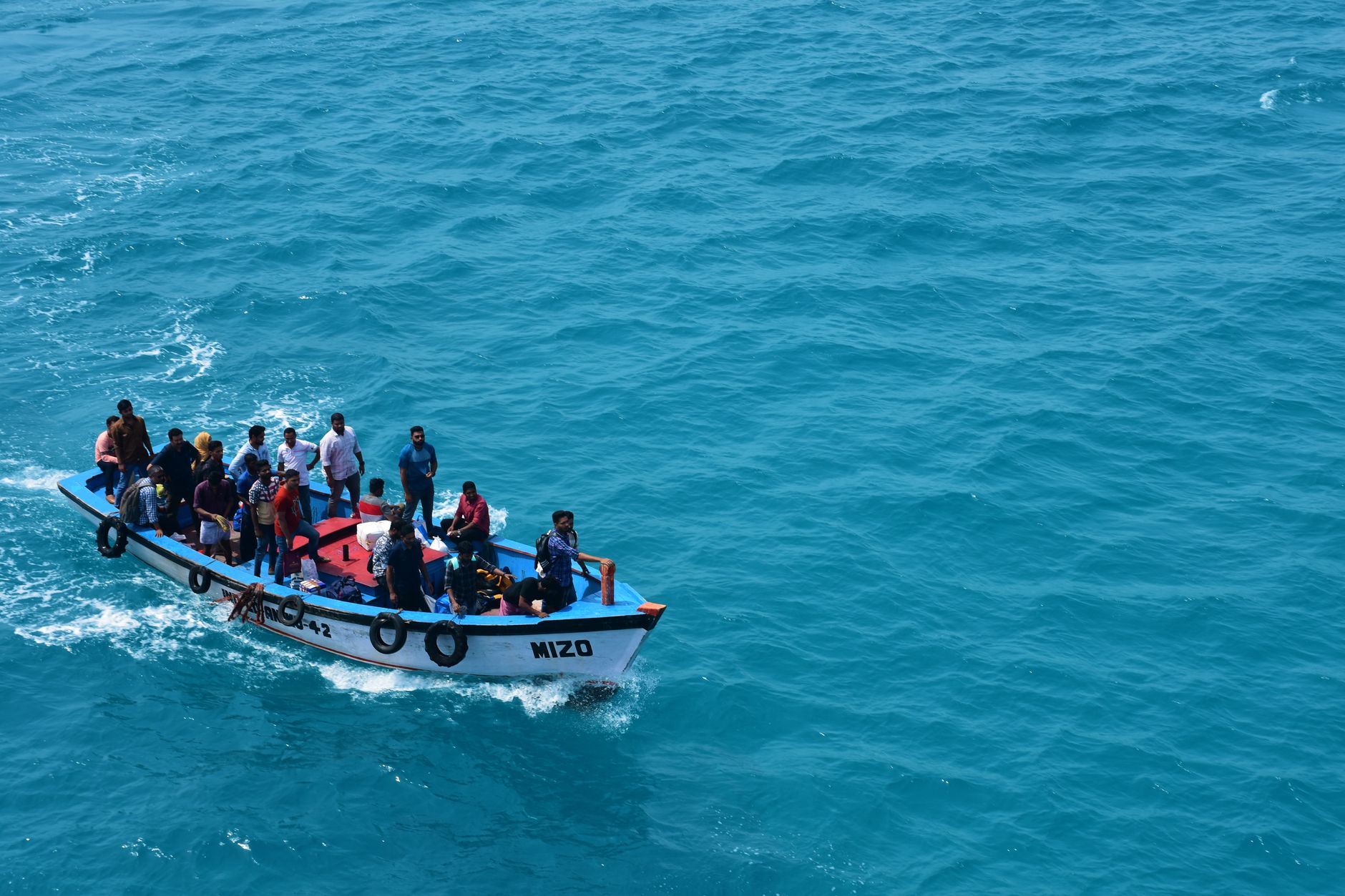
The Strait of Hormuz is a choke point — not just for oil tankers, but for global sanity. Last week, a cargo vessel took a projectile near Oman. The crew scrambled. The world blinked. And the United Nations, that great theater of diplomacy, paused its plans to evacuate sailors. Why? Because Iran said so.
Let's get one thing straight: this isn't about a stray rocket. This is about who controls the world's most vital waterway. Iran's message is clear — no ship passes without Tehran's nod. The UN's hesitation? That's the sound of international law bending to brute force.
The Projectile That Broke the Camel's Back
The attack wasn't a surprise. For months, Iranian patrol boats have been buzzing commercial vessels, demanding inspections, threatening retaliation. But this time, something hit. A cargo ship — Liberian-flagged, crew of 23 — took a direct hit. No casualties, but plenty of damage. The UN's rescue coordination, which had been humming along for weeks, froze. Officially, the pause was for 'security assessments.' Unofficially? Nobody wanted to test Tehran's next move.
“We cannot guarantee the safety of evacuating crews without explicit assurances from all parties,” a UN spokesperson said, carefully avoiding the word 'Iran.'
That's diplomatic speak for: we're scared. And rightly so. Iran's Revolutionary Guard has a history of seizing ships, detaining crews, and turning humanitarian gestures into leverage. Remember the Stena Impero in 2019? Iran held that tanker for two months. The crew became bargaining chips.
Iran's Gamble: Permission or Perish
This isn't just about one ship. It's about precedent. Iran has been pushing a new rule: all vessels passing through the Strait must obtain permission from Tehran. Not the UN. Not international maritime law. Iran. If that becomes the norm, the Strait — through which 20% of the world's oil passes — becomes a toll road with a revolutionary toll collector.
The UN's pause is a tacit acknowledgment that they can't enforce their will. The Security Council is split. The US has sanctions but no appetite for another Middle East war. Europe wants trade routes open but fears Iranian retaliation. No one is willing to call Iran's bluff. So the sailors wait. And the world watches.
The Human Cost of Geopolitical Chess
Let's talk about those 23 sailors. They're not chess pieces. They're people — Filipino, Indian, Ukrainian — who signed up for a paycheck, not a crisis. Their families are terrified. Their employers are silent. And the UN is conducting 'assessments.'
This is the ugly truth of global politics: when big powers clash, ordinary people pay. The sailors on that vessel are now hostages to a game they don't understand. And the UN's pause is a neon sign that says: we can't protect you.
What Happens Next?
Two paths. First: the UN reaches a deal with Iran, probably through back channels, and the evacuation proceeds quietly. Iran saves face. The world breathes. Until next time. Second: the standoff continues. Ships reroute. Insurance rates spike. Global oil prices jump. The US sends a carrier group, and we edge closer to a direct confrontation.
Neither path is good. But the second is catastrophic. The Strait of Hormuz is not a place for brinkmanship. It's a narrow passage where miscalculations become fireballs.
A Verdict on Our Collective Cowardice
The UN's pause is more than a logistical hiccup. It's a confession. The international community, designed to prevent exactly this kind of bullying, has no answer to a determined rogue state. We've spent decades building institutions, treaties, and norms. And when a missile hits a cargo ship, they all evaporate.
Iran doesn't respect the UN. Why would it? The UN has no army, no spine, and no will to risk casualties for principle. The sailors on that ship are a mirror — reflecting our own unwillingness to stand up.
So here's the question that lingers: if the UN can't evacuate 23 sailors, what can it do? And if the Strait of Hormuz becomes Iran's private tollbooth, who will stop them? No one. That's the answer. No one.
We'll watch oil prices spike, listen to diplomats bluster, and forget the sailors. But they won't forget. Neither should we.