Listen, I've covered enough wars to know that peace deals usually feel like a punchline. But this one? This one's a gut punch wrapped in a shrug.
The deal is done. The US and Iran have a framework. Sanctions lift, centrifuges spin under watch, and the world breathes easier. Except nobody's asking the question that's been sitting in the corner of the room since the first missile flew: What the hell was the point of the war?
A War Without a Winner — Except Iran
Let's rewind. The 2024 Iran war was sold as a necessary evil. The regime was on the brink — protests, economic collapse, defections. The mullahs were supposed to topple like dominoes. Instead, they're still standing. Actually, they're standing taller.
Iran's Revolutionary Guard didn't just survive; they got a crash course in modern warfare. Drones that cost pennies took out billion-dollar assets. The IRGC's budget tripled. And now they're at the negotiating table — not as supplicants, but as peers.
Mehdi Khalaji, a Tehran-born scholar at the Washington Institute, put it bluntly: 'The regime has used the war to consolidate power. Every bomb that fell on Iran was a recruitment poster for the Guard.'
'The regime has used the war to consolidate power. Every bomb that fell on Iran was a recruitment poster for the Guard.' — Mehdi Khalaji
He's not wrong. Pre-war, the regime faced its biggest legitimacy crisis since 1979. Post-war? The Supreme Leader's portraits are back on every corner. The opposition is silenced — literally, in some cases. The IRGC is richer, more experienced, and now treated as a legitimate actor by the world's lone superpower.
The Human Cost No One Mentions
Numbers lie. 40,000 dead? 70,000? The official counts are fiction. Hospitals in Tehran were overflowing, then empty. The morgues ran out of space. Meanwhile, Yemen — remember them? — saw its famine deepen as supply chains collapsed.
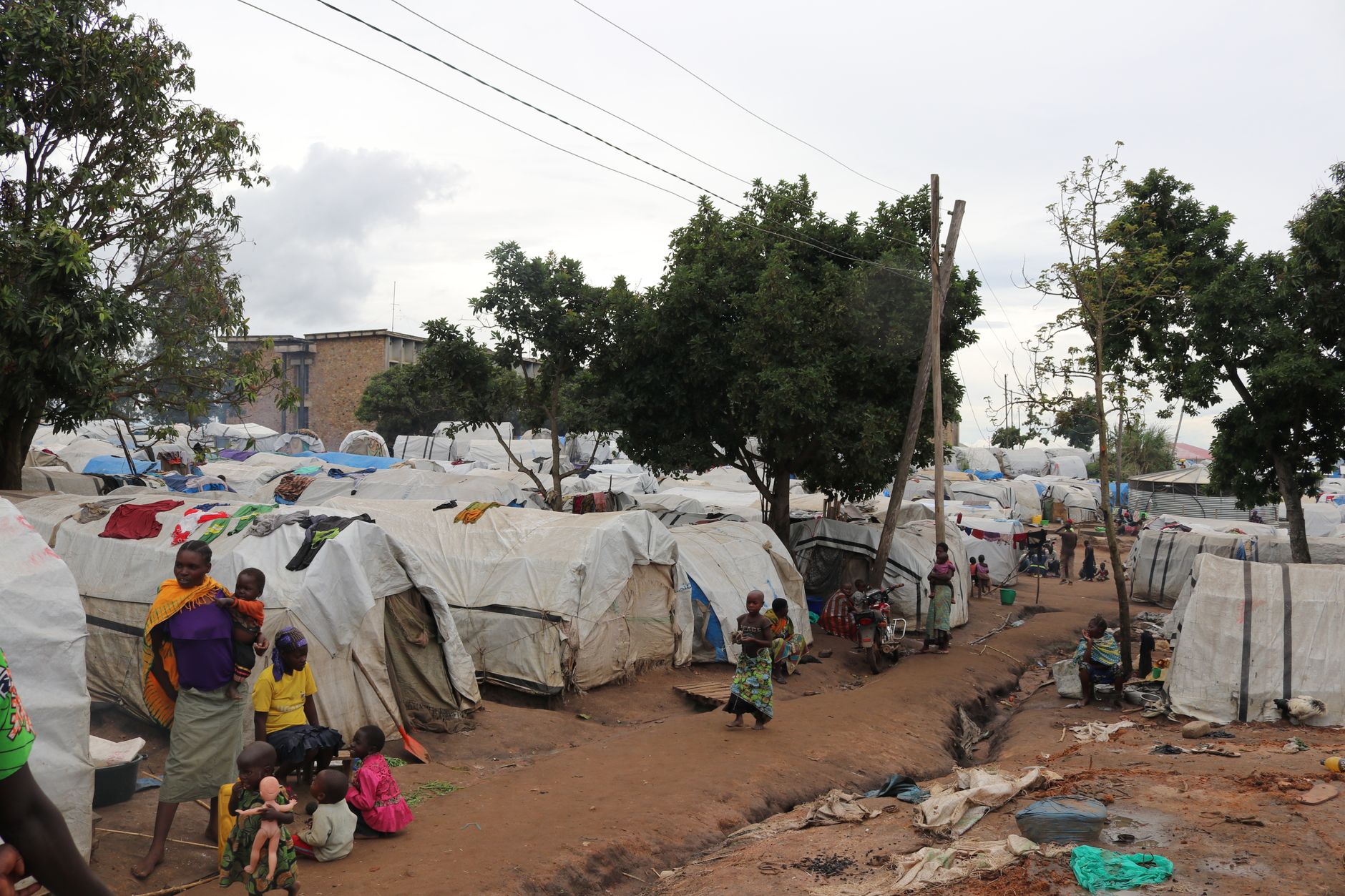
The real number nobody talks about is the 2 million displaced Iranians. They fled to Turkey, Iraq, even Europe. They left behind homes, jobs, and hope. And what do they get now? A deal that legitimizes the regime they fled.
One refugee in Istanbul told me: 'America bombed us, then made peace with the people who started the war. I don't know who I hate more.'
That's the tragedy. The war was supposed to save Iranians from the regime. Instead, it saved the regime from the Iranians.
What Did America Get?
So what's in the deal for Washington? A cap on enrichment at 3.67%. An IAEA inspection regime that — let's be honest — Iran has outsmarted before. And a promise not to kill Americans. That's it.
No regime change. No dismantling of the IRGC's missile program. No return of the hostages held since 2023's embassy protests. Just a pause button on the nuclear program that Israel still says is a cover for a bomb.
Think about what was traded away. The US spent an estimated $2 trillion on the war — on bombs, on troop deployments, on drones that got shot down. For what? To get an agreement that looks suspiciously like the 2015 JCPOA, which Trump tore up because it wasn't 'tough enough.'
Now it's 2026, and the new deal is weaker. Iran has more centrifuges, more enriched material, and more battlefield experience. The US has less credibility and a bill that's due.
This is not a victory. It's a surrender dressed in diplomatic language.
The Middle East's New Reality
The ripple effects are already hitting. Saudi Arabia, which backed the US intervention, is now quietly reaching out to Tehran. The UAE is inviting Iranian trade delegations. Israel is left shouting into the void, threatening strikes that nobody believes will come.
Hezbollah, Iran's proxy in Lebanon, is celebrating. Hamas is rearming in Gaza. The Houthis just launched a drone at a Saudi airport — and nobody blinked. Because the great power that was supposed to contain Iran has accepted that containment failed.
The region smells blood. And it's not Iranian.
The War Nobody Won
So here's the question I keep asking myself — and you should too: Was there ever a point where anyone in Washington actually thought this through? Did someone sit in the Situation Room and think, 'We'll bomb them into submission, then negotiate from strength'?
If they did, they were wrong. You don't bomb a country for two years and then expect to negotiate from strength. You negotiate from exhaustion. And right now, America looks exhausted. Iran looks like it just ran a marathon and won.
The deal was inevitable. The war was not. That's the part that sticks.
In 2023, when the first bombs fell, I wrote that this war would define a generation. I was right, but not in the way I expected. It defined a generation of Iranian grief, American futility, and diplomatic farce.
So go ahead, celebrate the deal. Markets will rally, diplomats will pat each other's backs. But every time you see a headline about 'historic peace,' remember the 40,000 dead and the 2 million displaced. Remember the regime that used war to survive. And ask yourself: What was it all for?
The answer is nothing. Just a bill, a body count, and a lesson nobody will learn.