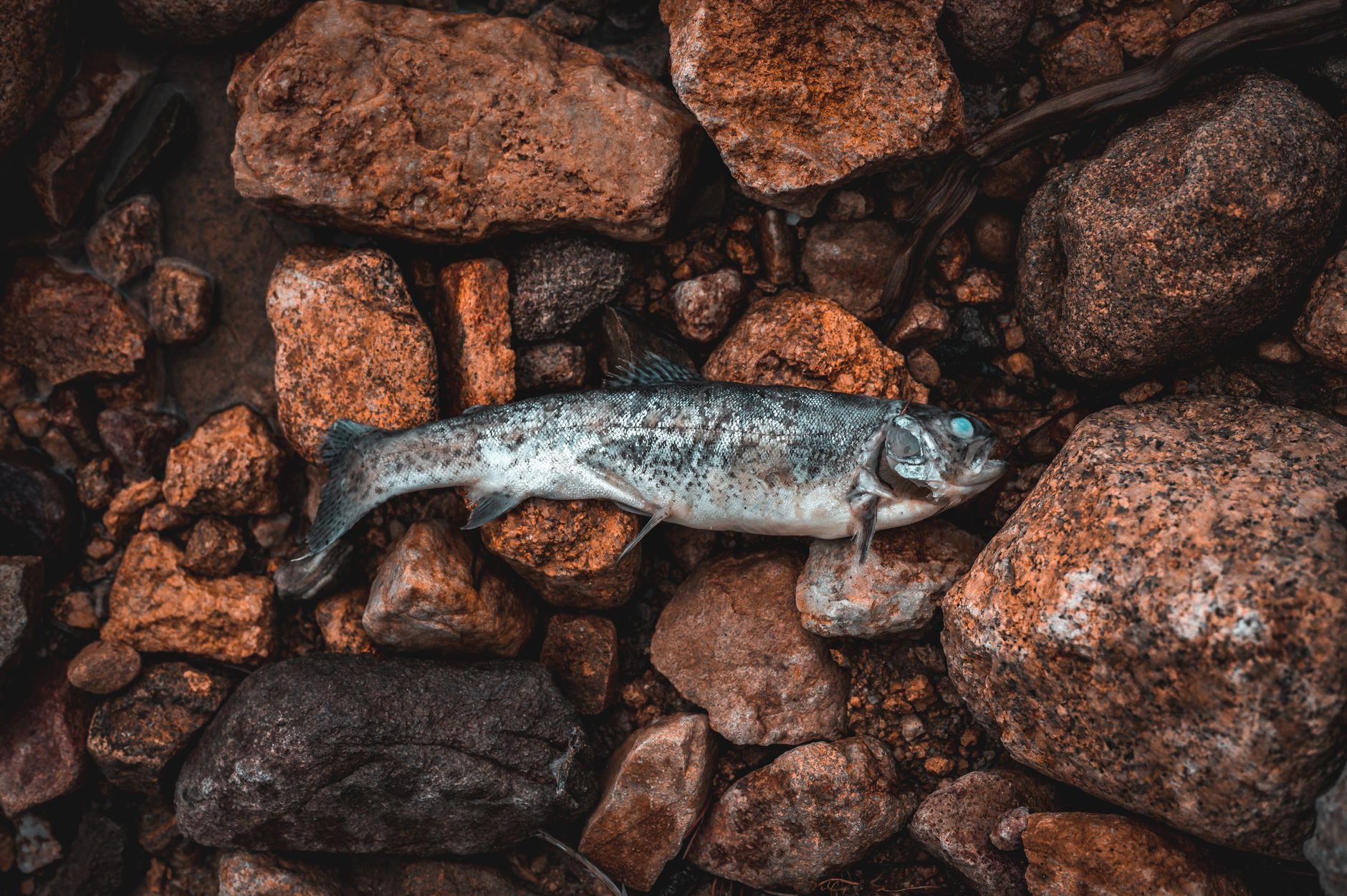
Saif Khawaja watched a fish flop for twenty minutes after being pulled from the water. He was nine. The image never left him.
Twenty years later, his company Shinkei is building what looks like a refrigerator crossed with an execution chamber. It's called Poseidon. And it kills fish in under a second.
Founders Fund — the same venture firm that backed SpaceX, Palantir, and Airbnb — just poured millions into a machine that does what industrial fishing refuses to: kill fish without suffering.
The Ikea Nightmare of Seafood
Walk into any grocery store. The seafood counter is a morgue. Fish piled on ice, eyes glazed, gills still damp. Nobody asks how they died. Because if you knew, you'd probably stop eating them.
Industrial fishing kills fish the way a toddler kills an ant — slowly, accidentally, without intent. Fish are suffocated in air, crushed in nets, or left to bleed out over minutes. The USDA doesn't regulate their slaughter. The FDA doesn't either. Fish fall through every legal crack.
Shinkei's robot changes that.
Poseidon chills the fish's brain to near-freezing in seconds. Then a precise spike severs the spinal cord. Death is instantaneous. The fish never registers pain. The result? No stress hormones, no lactic acid buildup, no bruised flesh. The meat tastes better, lasts longer, and doesn't smell like a pier.
"If you want premium fish, you need premium death. Right now, the industry treats fish like dirt." — Saif Khawaja, Shinkei CEO
Why Founders Fund Wrote the Check
Founders Fund doesn't do cute. They do asymmetric bets. They backed a flying car company. They backed a company that wants to mine asteroids. They don't back feel-good ventures unless the math works.
So why a fish-killing robot?
Follow the money. The global seafood market is $250 billion. Aquaculture is growing. But the bottleneck isn't production — it's quality. Retailers lose 30% of fresh fish to spoilage. Restaurants throw away fish that smells off. Shinkei's robot eliminates that waste. Fish killed humanely stays fresh two to three days longer.
That's billions of dollars in unrotted fish.
Founders Fund partner Trae Stephens calls it "obvious in hindsight." He's the same guy who invested in Anduril, the defense tech company. He sees fish slaughter the way he sees drone warfare: there's a better way to do it, and the old guard has no incentive to change.
The Skeptics Have a Point
Let's not pretend this is simple. Shinkei's machine costs $150,000. That's a steep entry for small fishermen. The company plans to lease it, but fishermen are stubborn. They've been killing fish the same way for generations. Why change?
Because the market is forcing them. Whole Foods already requires humane slaughter for land animals. Temple Grandin's standards for cattle are gospel in high-end beef. Fish are next. Consumers are starting to ask the question: "How did this fish die?"
And here's the kicker: Shinkei isn't selling to fishermen. They're selling to distributors and high-end restaurants. Nobu cares about how its tuna dies. The distributor that supplies Nobu will buy the robot, not the boat captain.
That smartly sidesteps the hardest part of the supply chain.
The Real Agenda: Killing Painlessly
Khawaja doesn't hide his bigger goal. "We're building the infrastructure for humane death. Fish is just the beginning."
Read between the lines. If you can build a machine that kills fish instantly and humanely, you can build one for chickens. For pigs. The same technology — precision chilling, rapid spinal severance — scales up. The same regulatory vacuum exists. The same market forces apply.
Founders Fund isn't betting on fish. They're betting on a platform for conscience-free slaughter.
That's either heroic or terrifying, depending on how you feel about industrializing death. But it's definitely a bet.
Meanwhile, the fish at your local grocery store are still suffocating. Shinkei's robot can't save all of them. Not yet.


