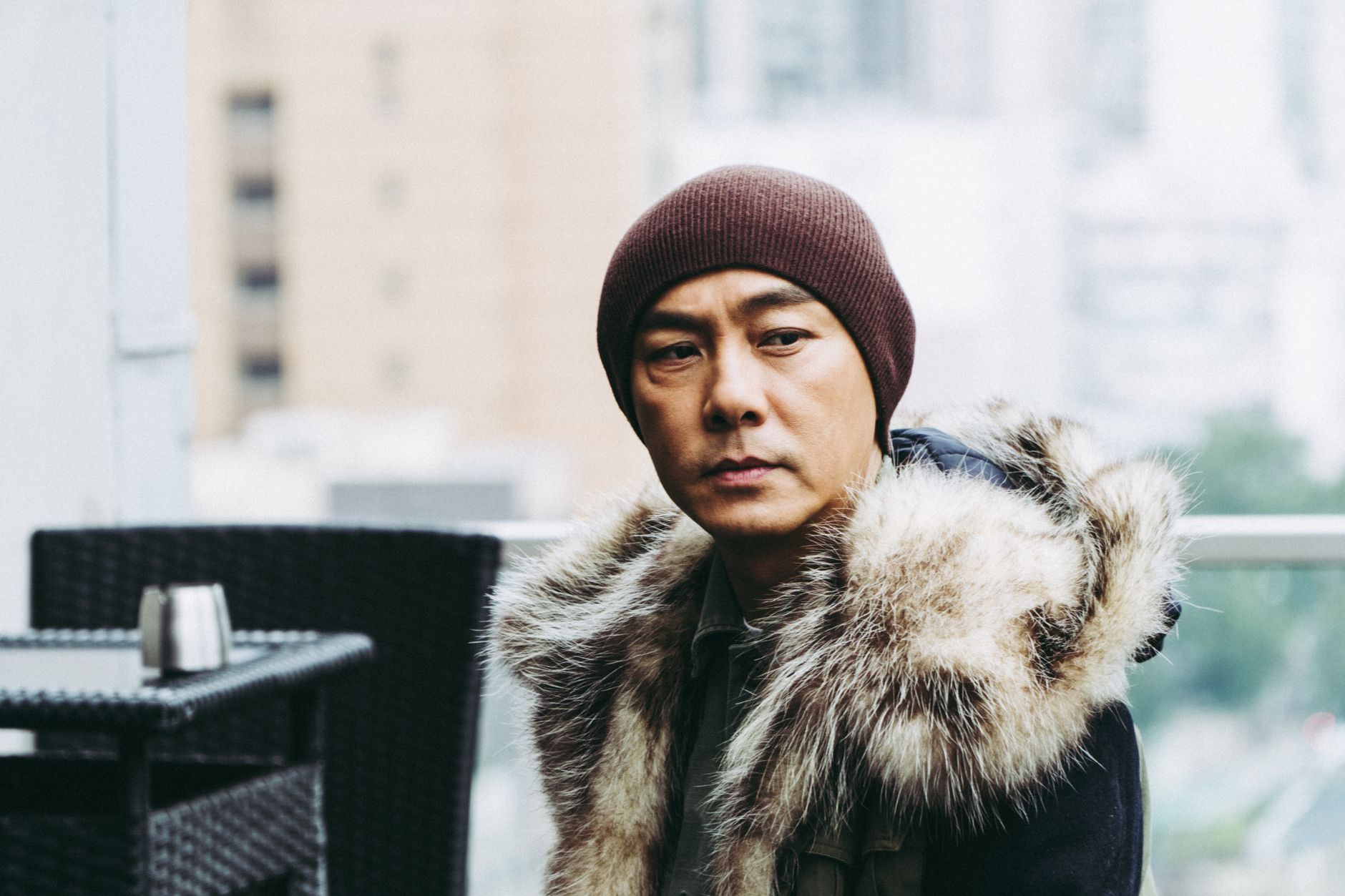
Tony Leung Chiu-wai doesn't scream. He doesn't pound tables. He doesn't monologue. And that, he argues, is exactly why you need to watch his movies in a theater — not on a laptop, not on a phone, not with one eye on Twitter.
Speaking to a packed house at the Shanghai International Film Festival after a screening of his latest film Silent Friend, the 62-year-old actor delivered what felt like a masterclass in restraint. A lesson in doing less to say more. He told the audience that his style — subtle, internal, almost invisible — only lands when you're locked in a dark room with nowhere else to look.
"Sometimes it might just be something on my fingers," Leung said, demonstrating with a barely perceptible twitch. "If you're looking at your phone, you miss it. And then the scene doesn't work."
He's right. And it's a message Hollywood has been trying to ignore for a decade.
The Lost Art of the Micro-Expression
Leung's particular genius has never been about grand gestures. Watch him in In the Mood for Love — the way his eyes do all the talking while his mouth stays shut. Or Hard Boiled, where he could switch from carnage to tenderness in a single breath. It's a cinema of suggestion, of what's left unsaid.
That style is the opposite of streaming. Streaming rewards the loud, the fast, the easily digestible. A show you can "watch" while folding laundry. A film that works at 0.75x speed while you scroll through Instagram. Leung's work demands the opposite: your full, undivided attention.
"I need the audience to be patient," he said at the masterclass. "To wait for something that might not come in a dramatic way. But when it comes, it is everything."
"If you're looking at your phone, you miss it. And then the scene doesn't work."
That patience is a dying art. We've been trained to expect a hit every thirty seconds, a plot twist every episode, a dopamine spike on every scroll. Leung's films operate on a different rhythm — one that feels almost confrontational in its quietness.
The Wong Kar-wai Effect
Much of the masterclass circled back to Wong Kar-wai, the director who shaped Leung's career and his philosophy. Their collaborations — Chungking Express, Happy Together, 2046 — are textbooks on atmosphere over action.
Leung recalled Wong's direction on In the Mood for Love, where the filmmaker forced him to slow down. "He would say, 'Tony, take more time. Let the audience feel the space between words.'"
That space is where the magic happens. And it's exactly what gets compressed when you're watching on a 13-inch screen with the brightness set to 50% and a notification buzzing every ten minutes.
Leung wasn't explicitly scolding the streaming generation. He didn't have to. The contrast between his restrained delivery and the cultural moment was so sharp it cut through the room. Here was an artist who measures his performances in millimeters, talking to an audience that measures its attention in seconds.
Why Silent Friend Demands a Big Screen
His new film Silent Friend is the ultimate test of this philosophy. Directed by Lou Ye, the film follows a deaf-mute man navigating a world that won't stop talking. Leung plays him with almost no dialogue, relying entirely on body language and facial nuance.
"I had to unlearn everything," Leung said. "No words to hide behind. Just physical truth."
Reviewers have called it a career-best performance. But it's a performance that evaporates on a phone screen. The close-ups that capture Leung's trembling jaw, the long takes that build unbearable tension, the sound design that makes silence deafening — all of it gets flattened in the living room.
This isn't nostalgia. It's physics. Cinema is a medium designed for immersion. The darkened room, the giant screen, the shared experience of a hundred strangers breathing together — these aren't extras. They're part of the technology.
The Streaming Paradox
I should confess something: I love streaming. I binge The Bear like everyone else. I watch Succession at 1 a.m. on a Tuesday. But I've also noticed something rotting in the art form.
Movies are getting louder. Stories are getting dumber. The nuance is being squeezed out by algorithms that reward the first five minutes and punish anything that takes time to breathe. Leung's masterclass was a reminder that not all progress is forward.
"I need the audience to be patient. To wait for something that might not come in a dramatic way. But when it comes, it is everything."
He didn't name names. He didn't attack Netflix or complain about the industry. But the message was clear: If you watch my work on a phone, you're not really watching my work. You're skimming it. And skimming a Tony Leung performance is like reading the CliffsNotes to a poem.
A Dying Philosophy Worth Fighting For
The most striking moment came at the end. A young filmmaker in the audience asked Leung what advice he had for actors starting today.
He paused. The room waited. And then he said: "Learn to be still. The camera will find you. The audience will find you. But only if you are still enough for them to see."
That's not just acting advice. That's a manifesto for a kind of art that's being pushed to the margins. A reminder that power doesn't always announce itself with a bang. Sometimes it's in the tremor of a hand, the flicker of a thought, the quiet that fills the space after a sentence ends.
Tony Leung is still making that kind of art. Whether we're still willing to sit still long enough to receive it — that's the real question.
The lights came up. The crowd rose. They clapped for a long time. And I sat there thinking: I hope someone was paying attention.