Donald Trump has declared the ceasefire with Iran “over,” shattering any pretense of diplomacy hours after the United States and Iran traded strikes in the Persian Gulf. Speaking to reporters on the tarmac before a NATO summit in Brussels, the president didn’t mince words: “The ceasefire is over. We’re hitting them harder than they hit us.”
His statement directly contradicts the State Department’s official line, which had insisted that negotiations were still “on track.” The disconnect was glaring. While U.S. negotiators sat in a Vienna hotel room with Iranian counterparts, Trump was already pulling the rug.
The Strikes That Broke It
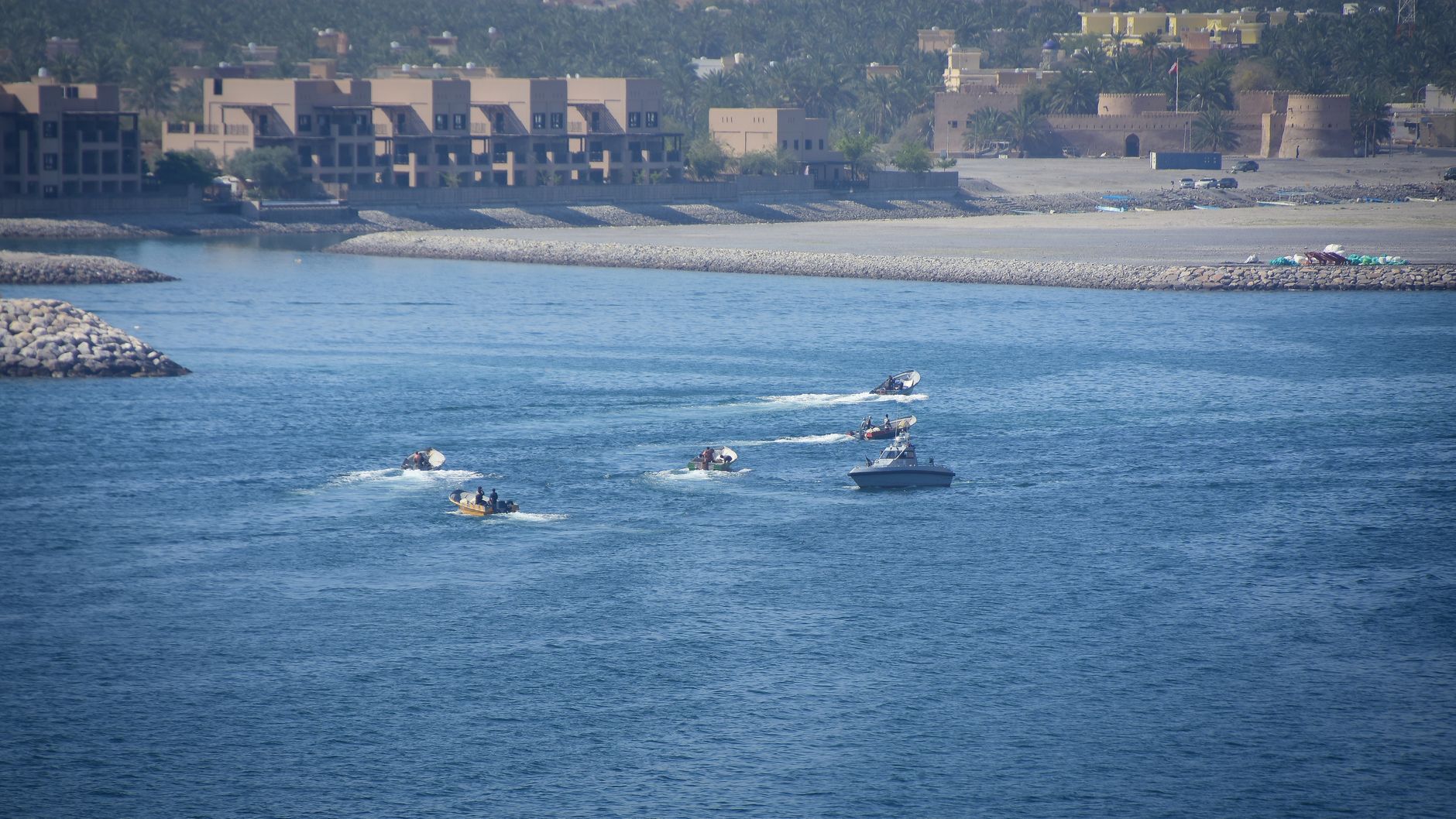
On Tuesday, an Iranian drone struck a U.S. Navy destroyer patrolling the Strait of Hormuz. No casualties were reported, but the message was clear. Within hours, the Pentagon retaliated, launching cruise missiles at Iranian radar installations on Qeshm Island. The exchange was the first direct military confrontation since the temporary ceasefire was brokered by Oman in May.
“We sent a message,” Defense Secretary Mark Esper said. But the message from the White House was different: Trump’s “over” declaration effectively torched any diplomatic off-ramp. Iran’s Foreign Minister Javad Zarif responded on Twitter: “The US president admits what we knew—his word means nothing. Ceasefire or no ceasefire, the pressure will continue.”
“The ceasefire is over. We’re hitting them harder than they hit us.” — Donald Trump
A Pattern of Disarray
This isn’t the first time Trump has undercut his own team. In 2019, he called off a retaliatory strike on Iran at the last minute. In 2020, he ordered the assassination of Qasem Soleimani without informing Congress. But this time, the stakes are higher: the ceasefire was fragile, but it was the only thing preventing a full-blown war.
“He’s basically telling the Iranians, ‘Don’t bother negotiating with my people, because I’ll reverse whatever they promise,’” said Suzanne Maloney, an Iran expert at the Brookings Institution. “It’s diplomatic malpractice.”
European allies are scrambling. NATO’s secretary-general, Jens Stoltenberg, called for “maximum restraint,” but his words felt hollow. The UK and France have already begun evacuating non-essential personnel from their embassies in Tehran. Oil prices spiked 8% on the news, with Brent crude hitting $97 a barrel—the highest since 2014.
Who’s Running Foreign Policy?
The episode raises an uncomfortable question: Who is actually in charge of U.S. foreign policy? Secretary of State Mike Pompeo was reportedly blindsided by Trump’s comments. National Security Advisor Robert O’Brien has been silent. The Pentagon is taking orders directly from the Oval Office, bypassing normal chains of command.
“This is a cowboy operation,” said a senior State Department official, speaking on condition of anonymity. “We’re drafting negotiating points in one room while the president is burning them in another.”
Iran, meanwhile, sees an opportunity. Hardliners in Tehran are already calling for a full resumption of nuclear enrichment. The IAEA reported this morning that Iran has increased its stockpile of enriched uranium to 20%—a short step from weapons-grade.
“He’s basically telling the Iranians, ‘Don’t bother negotiating with my people, because I’ll reverse whatever they promise.’ It’s diplomatic malpractice.” — Suzanne Maloney
The Oil Shockwave
Financial markets are in turmoil. The Dow dropped 300 points in early trading. Energy stocks surged, but airline shares tanked. The real concern is the Strait of Hormuz: 20% of the world’s oil passes through it. Iran has threatened to block it before, but now they might actually try.
“We’re looking at a potential supply crisis,” said Fatih Birol, head of the International Energy Agency. “If the strait is closed, oil could hit $150 a barrel within a week.”
The Trump administration has reportedly discussed using the U.S. Navy to keep the strait open, but that would mean war with Iran. And war, as the last three months have shown, is exactly where we’re headed.
The NATO Summit Farce
Trump’s appearance at NATO was already awkward—allies are still smarting from his tariff threats and demands for higher defense spending. Now they have to pretend that the United States is a reliable partner. “It’s like a firefighter showing up with a can of gasoline,” said a French diplomat.
Inside the summit, Trump reportedly spent most of the first session complaining about Germany’s defense budget. The ceasefire, when it came up, was dismissed with a wave: “Let them fight.”
But the fight isn’t just with Iran. It’s with reality. The United States is entangled in a conflict it didn’t want, with no exit strategy, and a president who changes his mind every 48 hours. The ceasefire is dead. What comes next is anyone’s guess—and everyone’s nightmare.