Beirut, June 19 — Trita Parsi doesn't mince words. "Israel's invasion and attacks in Lebanon pose the greatest vulnerability to US-Iran diplomacy," he says, his voice flat with the exhaustion of someone who's watched this movie before. Parsi, an Iran analyst who's tracked every twist in US-Iran relations for two decades, isn't alone in his assessment. A chorus of regional experts is now warning that the ceasefire between Washington and Tehran — fragile as spun glass — is about to be shattered by a wrecking ball named Benjamin Netanyahu.
The deal, still unratified, still tentative, still more handshake than treaty, represents the first real thaw between the US and Iran since the 2015 nuclear accord imploded. But Lebanon has become the stress test. And Israel, with its tanks grinding through southern Lebanese villages and airstrikes leveling buildings in the Bekaa Valley, is applying the pressure.
Netanyahu's Playbook
Anyone who's followed the Israeli prime minister's career knows his tactics. He's a master of the spoiler — the guy who walks into a delicate negotiation and sets off a bomb under the table. The pattern is textbook: whenever US-Iran talks show signs of life, Netanyahu escalates. He did it in 2015, lobbying Congress to kill the JCPOA. He did it in 2020, pushing for Trump's maximum pressure campaign. And he's doing it now, with Lebanese soil as his stage.
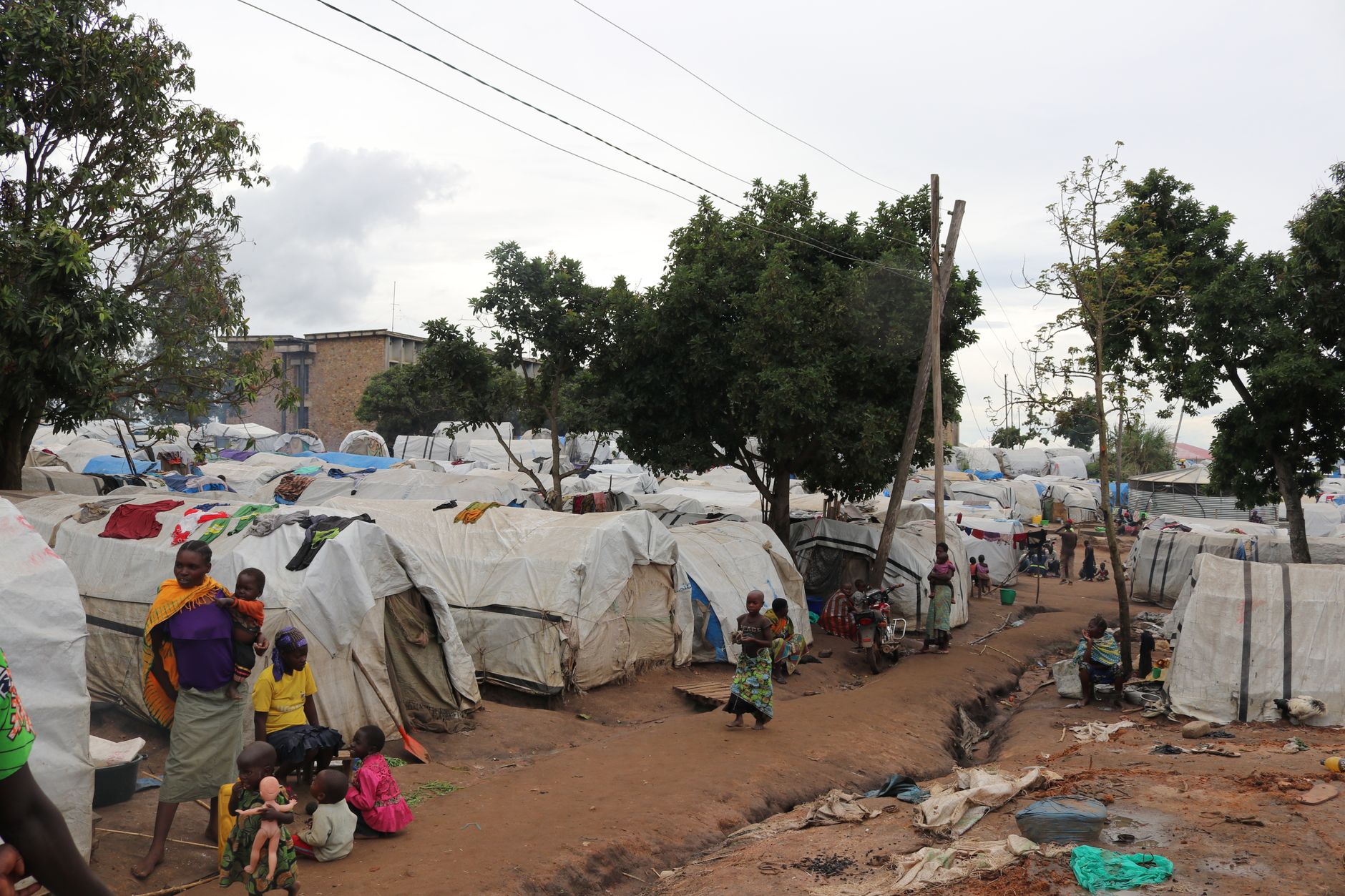
The current operation, code-named "Olive Branch," was supposed to be a limited incursion against Hezbollah positions. But limited incursions have a way of expanding. What started as a 10-kilometer buffer zone is now a 40-kilometer salient. The official death toll sits at 437 Lebanese, but medics on the ground say the real number is higher. The displaced count has passed 200,000. And every day, the bombs keep falling.
"Israel's invasion is the single greatest vulnerability to US-Iran diplomacy. If Trump doesn't act, the deal dies." — Trita Parsi, analyst
Parsi's point cuts deep. The US-Iran deal, brokered through Omani back-channels and Swiss intermediaries, hinges on a simple trade: Tehran freezes its nuclear program and dials back support for proxies, Washington lifts sanctions and recognizes Iran's security concerns. But Iran's support for Hezbollah is embedded in the deal's fine print. If Israel's attacks force Iran to retaliate — or if Iran's proxies escalate to defend themselves — the deal collapses. And everyone walks away with nothing.
The Trump Variable
Enter Donald Trump. The president who campaigned on ending forever wars now finds himself the reluctant referee in a Middle East boxing match. His relationship with Netanyahu is famously warm — "my friend Bibi" — but even Trump has limits. Sources inside the White House say the president is growing frustrated with what he sees as Netanyahu's freelancing. "He's like a dog that won't stop barking," one advisor told me. "The deal is the priority. Everything else is noise."
But stopping the barking requires a leash, and Trump has been hesitant to yank it. The administration has issued carefully worded statements calling for restraint. National Security Adviser Mike Waltz told reporters Thursday that "Israel has a right to defend itself, but all parties must respect the ceasefire." Translation: we want this to end, but we won't say it out loud.
The problem is that Iran reads nuance like a dictionary. Every time the US equivocates, Tehran sees weakness. Every time Israel bombs another village, the hardliners in Tehran gain ground. Supreme Leader Khamenei, never a fan of the deal, has already begun framing it as a concession to American bullying. "They talk peace while their ally bombs our friends," he said in a speech last week. "This is not diplomacy. This is surrender."
Lebanon as Sacrificial Lamb
Lebanon, as always, pays the price. The country is already a wreck — economic collapse, political paralysis, the port blast still unpunished. Now it's a battlefield again. The irony is that Hezbollah, Iran's most potent proxy, has been largely restrained during this conflict. Its leadership seems to understand that a full-scale war with Israel would doom the nuclear talks. But restraint has limits. As the civilian death toll climbs, Hezbollah's base is screaming for revenge.
"Netanyahu's strategy is to create so much chaos that the deal becomes impossible," explains Rami Khouri, a veteran Beirut-based analyst. "He wants to force Iran into a corner where it either abandons Hezbollah or abandons the deal. Either way, he wins."
But winning for Netanyahu might mean losing for Israel. The country's own security establishment is divided. The Mossad chief reportedly warned the cabinet that a prolonged incursion in Lebanon could trigger a multi-front war, with Hezbollah rockets raining on Tel Aviv and Iranian-backed militias in Syria opening a second front. "We've seen this before," one retired general told me. "2006. It didn't end well."
The Clock Is Ticking
The deal has a shelf life. Iranian negotiators have set a deadline: end of July. If the ceasefire isn't signed by then, they walk. The US has already made concessions — removing some sanctions, unfreezing assets — but Israel's attacks make it politically toxic for Tehran to proceed. "How can we sign a deal with the Great Satan while Satan's little brother burns our allies?" one Iranian diplomat asked, half rhetorically.
Trump has the power to stop it. A phone call to Netanyahu — a real one, not the scripted pleasantries — could change the calculus. The question is whether he has the will. His base loves Bibi. His donors love Bibi. But his legacy might depend on something else: a Middle East that isn't constantly on fire.
"If Trump lets this deal slip through his fingers, he'll be remembered as the president who almost achieved peace," Parsi says. "And almost doesn't count in this part of the world."
Outside my hotel in Beirut, the sunset paints the Mediterranean a dull orange. A few miles south, you can hear the low rumble of artillery. The war drums are beating. And the clock keeps ticking.