The White House is talking out of both sides of its mouth tonight. President Trump told reporters he's 'not sure' he wants to revive the Iran nuclear deal, even as CENTCOM launched dozens of strikes on Iranian military targets in the Strait of Hormuz. The message: we might bomb you, we might negotiate — depends on the hour.
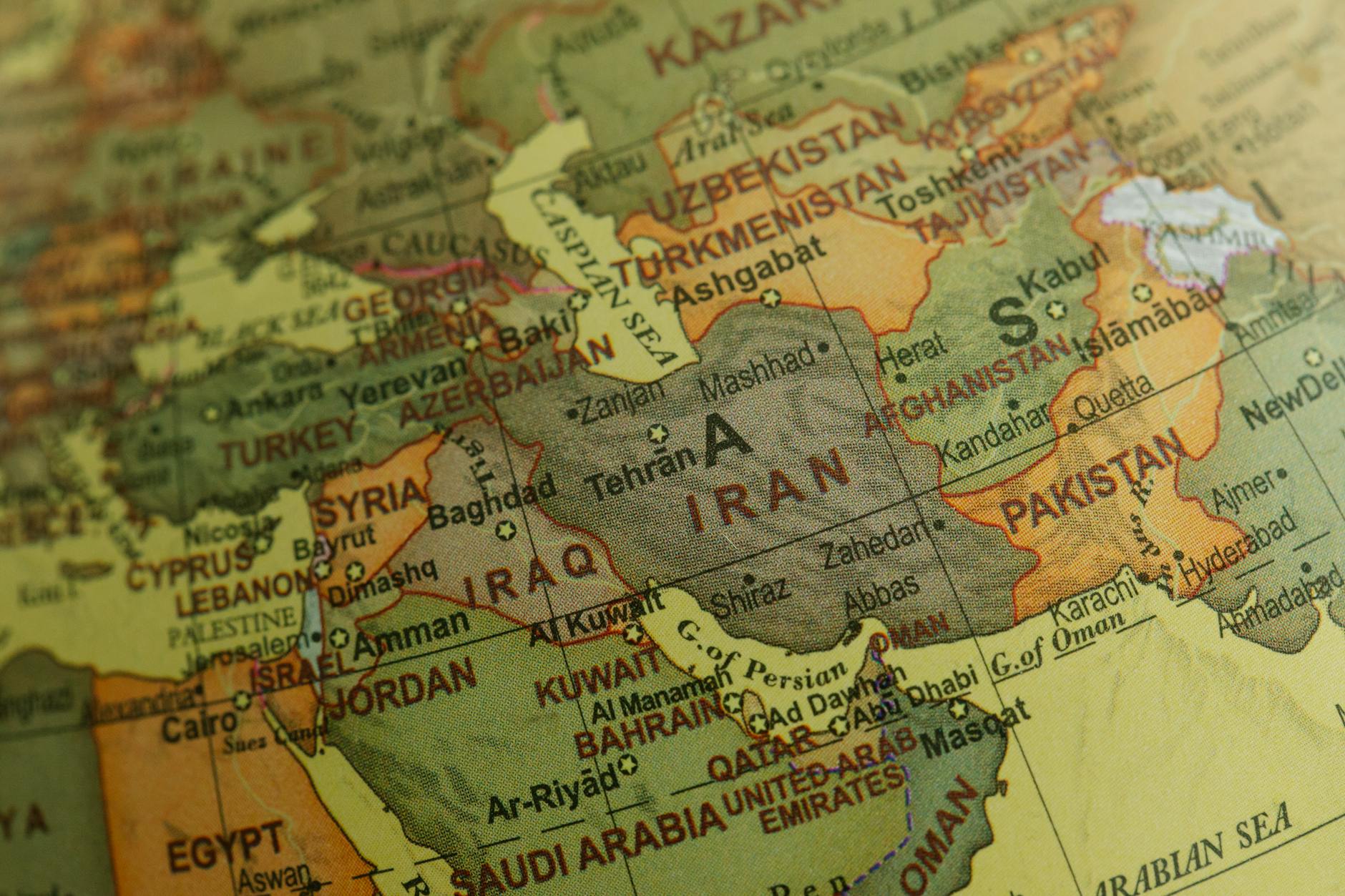
Central Command confirmed Wednesday that U.S. forces hit Iranian small boats and missile batteries in the latest escalation of the simmering Gulf conflict. The strikes came after a string of harassment incidents near the strategic waterway, where Iran has been flexing muscle for weeks. But Trump's own words undercut any coherent strategy. 'I'm not sure I want to make a deal with them,' he told pool reporters. 'They're not acting right.'
The 'Maybe War, Maybe Peace' Doctrine
This is classic Trump — keep everyone guessing, including his own military. Hours before CENTCOM released its strike footage, the president suggested the U.S. might hit Iran again 'tonight.' No qualifiers. No diplomatic caveats. Just a threat dangled like a lit match over a gasoline drum.
But here's the rub: the same administration that's bombing Iranian assets has been quietly negotiating with Tehran for months through Omani backchannels. 'They want a deal and no deal at the same time,' said a former State Department official who asked not to be named. 'It's impossible to plan when your own commander in chief can't decide if he's Winston Churchill or Neville Chamberlain.'
'I'm not sure I want to make a deal with them. They're not acting right.' — President Donald Trump
The strikes targeted what CENTCOM called 'Iranian unmanned surface vessels and anti-ship missile launchers' in the northern Gulf. Military officials say the operation was 'defensive' — designed to protect commercial shipping and U.S. naval assets.
What the Bombs Accomplished — and Didn't
Let's be clear: these strikes are the most direct U.S.-Iran military engagement since the 2020 Qasem Soleimani killing. But even Pentagon briefers struggled to define 'success.' One official told reporters the strikes 'degraded Iran's ability to disrupt shipping' — but refused to say by how much or for how long.
That's because Iran's strategy in the Gulf is asymmetrical. A dozen small boats and a few missile sites are easily replaced. The Islamic Revolutionary Guard Corps has thousands of fast attack craft hidden in creeks and coves along the Iranian coast. You can bomb them for a week and they'll still be swarming tankers the next month.
Meanwhile, oil prices spiked 4% on the news. The Strait of Hormuz handles about a fifth of the world's petroleum. Every explosion there sends a shiver through global markets. Trump knows this — he's spent his entire presidency boasting about low gas prices. But the man who says he's 'not sure' about a deal is also the man who approved the strikes.
The Deal He Doesn't Want — But Might Need
The JCPOA — the 2015 nuclear agreement Trump withdrew from in 2018 — is technically still alive in name only. European and Iranian negotiators have been meeting in Vienna for months, trying to find a framework to restore some limits on Iran's enrichment. The U.S. has been an observer, but Trump's latest comments suggest he's not ready to rejoin.
Why? Because 'not sure' is Trump's default posture when he doesn't want to own the consequences. A deal would mean lifting sanctions on the regime he's spent years demonizing. No deal means he can continue to blame Iran for everything from oil prices to regional instability — while bombing them with impunity.
But here's the problem: the military option isn't working. Iran's nuclear program has accelerated dramatically since the U.S. left the deal. Inspectors say Tehran has enough enriched material for several bombs. The clock is ticking, and Trump is playing pinball with policy.
What Comes Next
Don't expect clarity. The administration has no Iran strategy — only a series of tactical impulses. Tonight it's bombs. Tomorrow it might be a tweet offering sanctions relief. The Strait of Hormuz will remain a flashpoint, and American sailors will keep playing cat-and-mouse with IRGC speedboats.
If Trump really wanted a deal, he'd signal consistency. Instead, he's signaling chaos — and chaos is exactly what Iran's hardliners exploit. They'll paint the U.S. as the aggressor, rally domestic support, and keep spinning centrifuges.
The real question isn't whether Trump wants a deal. It's whether he can afford not to have one. The bombs aren't going to solve this. They never have.