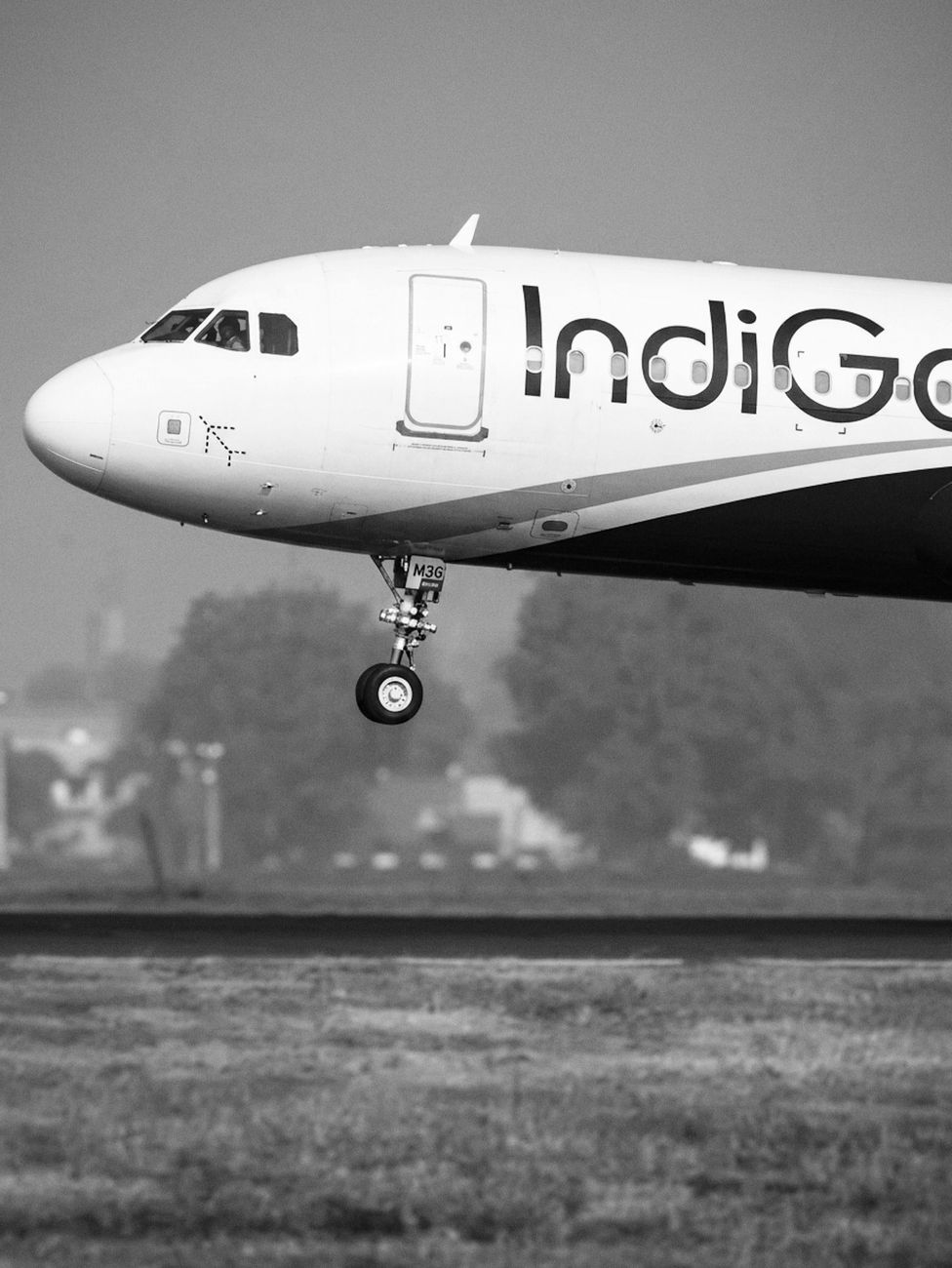
The cabin went quiet in that way cabins rarely do. Then the plane dropped. Not the stomach-lurch of a pothole, but a full-on, 300-foot free fall that sent bodies flying, trays skittering, and a 40-year-old man into the overhead bin. Air India Flight AI 335 from Phuket to Delhi hit severe turbulence on Wednesday, and seventeen people walked off with injuries — some needing hospital care. The rest walked off with something worse: the knowledge that at 37,000 feet, the floor can vanish.
Let's be honest about what this was. It wasn't a monsoon squall that surprised a sleepy crew. It was a violent, unannounced air pocket that turned a routine six-hour flight into a bingo hall of flying laptops and screaming passengers. One minute, seatbelt signs off, people queuing for the loo. Next minute, zero gravity. The kind of thing you see in crash videos but never expect to live through. Seventeen people didn't just get bumped — they got slammed into ceilings, armrests, and each other. The man in the bin? He's lucky he wasn't on the floor with a broken neck.
The Physics of Terror
Here's what the airlines won't tell you in their safety briefing: turbulence isn't the bumpy stuff you feel on a puddle jumper. Clear-air turbulence — the kind that hit this flight — is invisible, radar-invisible, and can drop a plane hundreds of feet in seconds. It's the rogue wave of the sky. And it's getting worse. Climate change is scrambling jet streams, and scientists have been warning for years that severe turbulence incidents are on the rise. A 2023 study in Geophysical Research Letters found a 55% increase in clear-air turbulence over the North Atlantic since 1979. The Pacific routes aren't far behind. We're flying into a stormier sky, and the industry is doing what it does best: patting us on the head and telling us it'll be fine.
But it's not fine. The Air India incident is the latest in a string of turbulence disasters — a Singapore Airlines flight last year hit such severe turbulence that a passenger died of a suspected heart attack. A dozen others were seriously injured. Remember that? We clucked our tongues, posted a few prayers, then booked our next cheap fare. We've normalized a risk that used to be the stuff of nightmares. When did we start treating a 300-foot drop like a bumpy landing?
What the Crew Knows (and Won't Say)
Pilots will tell you — off the record, over a beer — that the seatbelt sign is a suggestion, not a command. They'll tell you that they've hit turbulence so bad that the cabin crew were thrown like ragdolls. They'll tell you that the FAA's rules on when to turn on the sign are loose, and that airlines often delay it to avoid scaring passengers. They'll tell you that the 'fasten seatbelt' sign is as much about liability as safety. And they're right. But here's the uncomfortable truth: even with the sign on, a sudden drop like this one will toss you around. Seatbelts help, but they don't stop the G-forces. They don't stop your head from whiplashing. They don't stop the guy next to you from landing on your lap.
The crew on this flight did what they could. They strapped in, they braced, they got hit themselves. One flight attendant reportedly suffered a leg injury. They're the ones who get up to serve you coffee while the plane is shaking, because their job description says 'service with a smile,' not 'survival first.' We owe them more than a nod. We owe them a system that takes turbulence seriously.
The Real Culprit Isn't the Weather
Here's where it gets uncomfortable, so let's say it plainly: the weather isn't the only problem. It's the aviation industry's cost-cutting culture that treats safety margin as an expense line. Airlines are packing planes tighter than ever — more seats, less legroom, higher passenger loads. And the cabin crew? They're expected to cover more passengers with fewer bodies. When a plane drops 300 feet, every loose item becomes a projectile. Every unlocked galley cart becomes a missile. Every passenger not buckled in becomes a liability. And the airlines know this. They know that turbulence is increasing. They know their procedures are outdated. But retrofitting planes with better sensors, reducing seat density, or even just updating safety protocols costs money. So they gamble. They gamble with your body, your life, your family's future — all for the sake of a few extra dollars per seat.
Don't get me wrong: I'm not saying Air India is uniquely to blame. This is a global industry problem. But the fact that this flight continued to serve meals and let passengers roam the cabin while flying through a known weather system — well, that's a choice. A choice made by someone in a boardroom, not a cockpit.
What You Can Actually Do
So what do you do? You can't control the weather. You can't control the airline's safety culture. But you can control your own seatbelt. Keep it fastened whenever you're seated. Yes, even when the sign is off. Yes, even on a 'smooth' flight. It's the single most effective thing you can do. Doctors call it 'the brace position' — it saves lives. I call it common sense.
And here's the other thing: when the turbulence hits, don't panic. Scream if you need to — everyone else is. But remember that planes are engineered to take far more stress than they'll ever encounter. The pilots are trained for this. The plane will likely land safely. You'll be shaken, maybe bruised, but you'll be alive. The tragedy is that some people aren't so lucky — and that's not fate. That's a system that's been telling us for decades that flying is 'the safest way to travel.' It is. But 'safe' doesn't mean 'invulnerable.' It means the odds are in your favor. And when those odds get tested by a 300-foot drop, you want every advantage you can get.
"We've normalized a risk that used to be the stuff of nightmares. When did we start treating a 300-foot drop like a bumpy landing?"
The Aftermath at 37,000 Feet
Back to the Air India flight. The plane diverted? No — it continued to Delhi, landed, and the injured were taken to hospitals. The airline issued a statement calling it 'severe turbulence' and offering condolences. Standard corporate speak. But the passengers who lived through it will carry the memory longer than any statement. The man in the overhead bin? He'll be telling that story for the rest of his life. The kid who lost her lunch? She'll be nervous on every flight. The flight attendant who hit her head? She'll be off work for weeks, maybe longer.
And the rest of us? We'll board our next flight, buckle up when the sign says so, and hope. Because that's all we can do. We're passengers in someone else's machine, and our only real control is where we sit and whether we're buckled in.
So here's my verdict: this incident wasn't a freak accident. It was a warning. A warning that the sky is getting rougher, and the industry is getting complacent. The next time you hear about a turbulence incident, don't scroll past it. Ask yourself: how many more warnings do we need before we demand better? The answer shouldn't be 'until someone dies.' But it might be.