Mohammed Amin won 'Journalist of the Year.' He just couldn't show up to collect it. The UK government saw to that.
Amin, a Sudanese journalist who has spent years documenting the horrors of his country's civil war, was supposed to fly to London this week. The Committee to Protect Journalists wanted to hand him the trophy in person. Instead, he's stuck in Khartoum, the award sitting on a shelf somewhere without him.
The reason? His visa application was denied. No explanation, no appeal that matters. Just a cold stamp on a piece of paper.
Why the UK Said No
The Home Office doesn't comment on individual cases — standard procedure. But Amin's supporters smell something rotten. He's not a criminal. He's not a security threat. He's a journalist who reported on atrocities, which in Sudan means making powerful enemies.
Amin has been threatened by both the Sudanese army and the Rapid Support Forces, the paramilitary group that has been accused of ethnic cleansing. He's been detained, harassed, and forced into hiding. The last thing he expected was for a Western democracy to do the dirty work for his persecutors.
“They couldn't kill my story, so they killed my chance to tell it in person.” — Mohammed Amin
The irony is thick enough to chew. The UK government funds media freedom programs. It hosts conferences on protecting journalists. But when one of those journalists tries to cross its border, the door slams shut.
A Pattern, Not an Accident
This isn't a one-off. The UK has a growing reputation for blocking journalists from conflict zones. In 2024, a Yemeni photographer was denied entry for a photo exhibition. In 2025, an Afghan reporter was turned away from a press freedom event. The message is clear: we support your work, just don't do it here.
The official line is always the same — national security, immigration rules, bureaucratic necessity. But journalists from safer countries don't face these hurdles. It's the ones from war zones, the ones who risk their lives for the truth, who get the boot.
The CPJ didn't mince words. “This is a disgraceful decision that undermines the very principles the UK claims to uphold,” said the organization's executive director. “Mohammed Amin risked his life to expose war crimes. The UK's response is to treat him like a criminal.”
What Amin Was Awarded For
Amin's reporting from Sudan's frontlines has been nothing short of heroic. He filmed the aftermath of a massacre in Darfur, where bodies lay in the streets and the smell of death hung for days. He interviewed child soldiers who had been forced to kill their own families. He documented the systematic destruction of hospitals and schools.
His work appeared in Al Jazeera, The Guardian, and Reuters. It prompted the International Criminal Court to open a preliminary investigation. It made the world look — and then look away.
The 'Journalist of the Year' award was supposed to be a moment of recognition. A chance for Amin to stand on a stage in London and say, “This is what's happening, and you need to care.” Instead, he's watching a livestream from a borrowed laptop in a friend's apartment.
“I don't blame the British people,” Amin told us over a crackling phone line. “I blame a system that sees me as a risk. What risk? The risk of telling the truth?”
The Bigger Picture
The UK's decision is a symptom of a global disease. Borders are hardening. Journalists are being treated like spies or activists, not professionals. The very people who need protection are being locked out of the countries that could offer it.
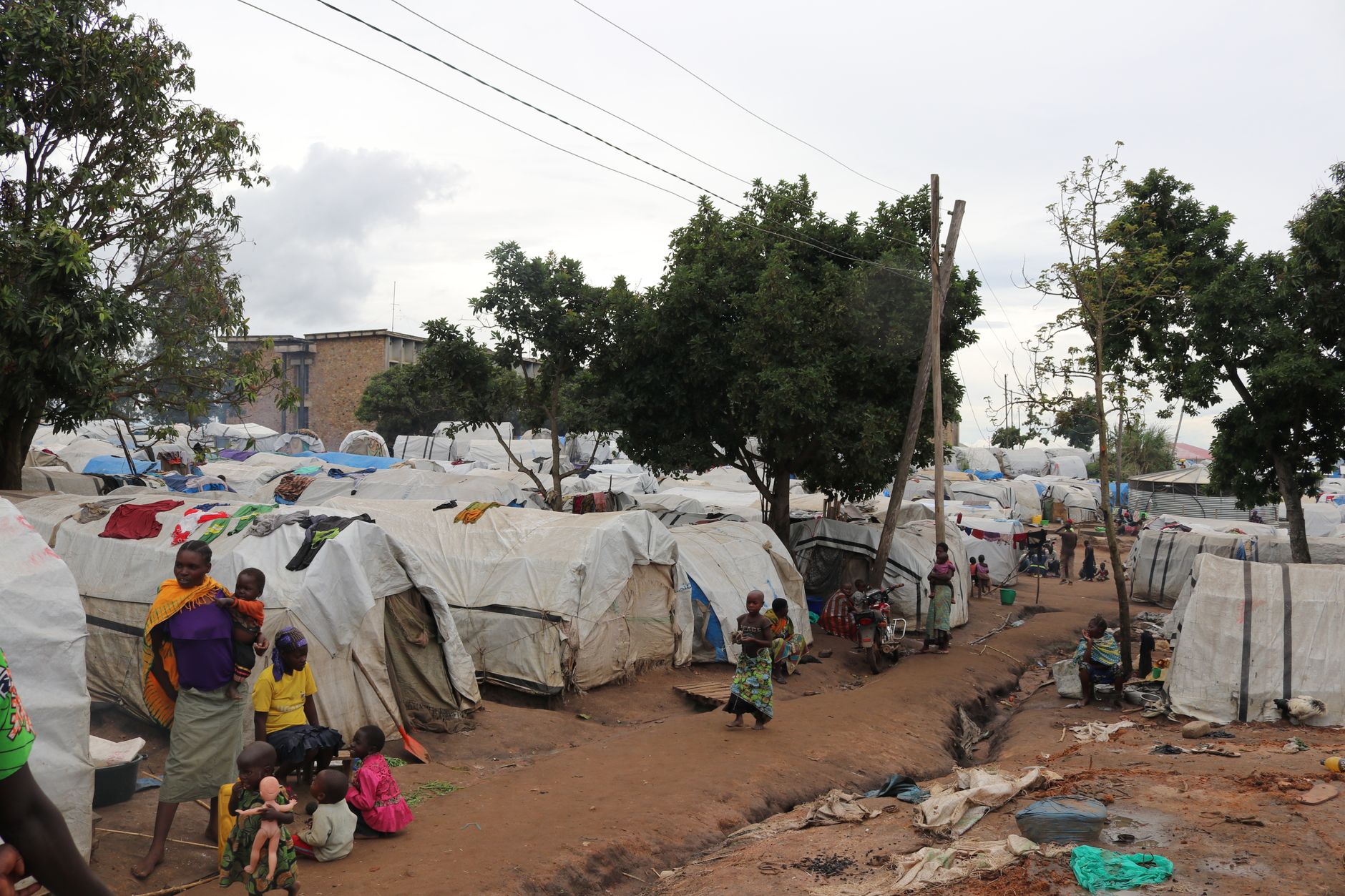
Meanwhile, the Sudanese conflict grinds on. Over 10,000 dead. Millions displaced. And the journalist who risked everything to show the world the horror can't even get a visa to pick up a plaque.
The award will be mailed to him, the CPJ says. That's fine. But it's not the point. The point is that the UK government looked at a man who has dedicated his life to exposing injustice and said, “You're not welcome.”
Mohammed Amin has been denied a visa. But the real denial is ours. We deny that his story matters. We deny that we have a responsibility. We stamp a piece of paper and call it a day.
He'll keep reporting. That's what he does. But the stain on Britain's reputation won't wash off so easily.