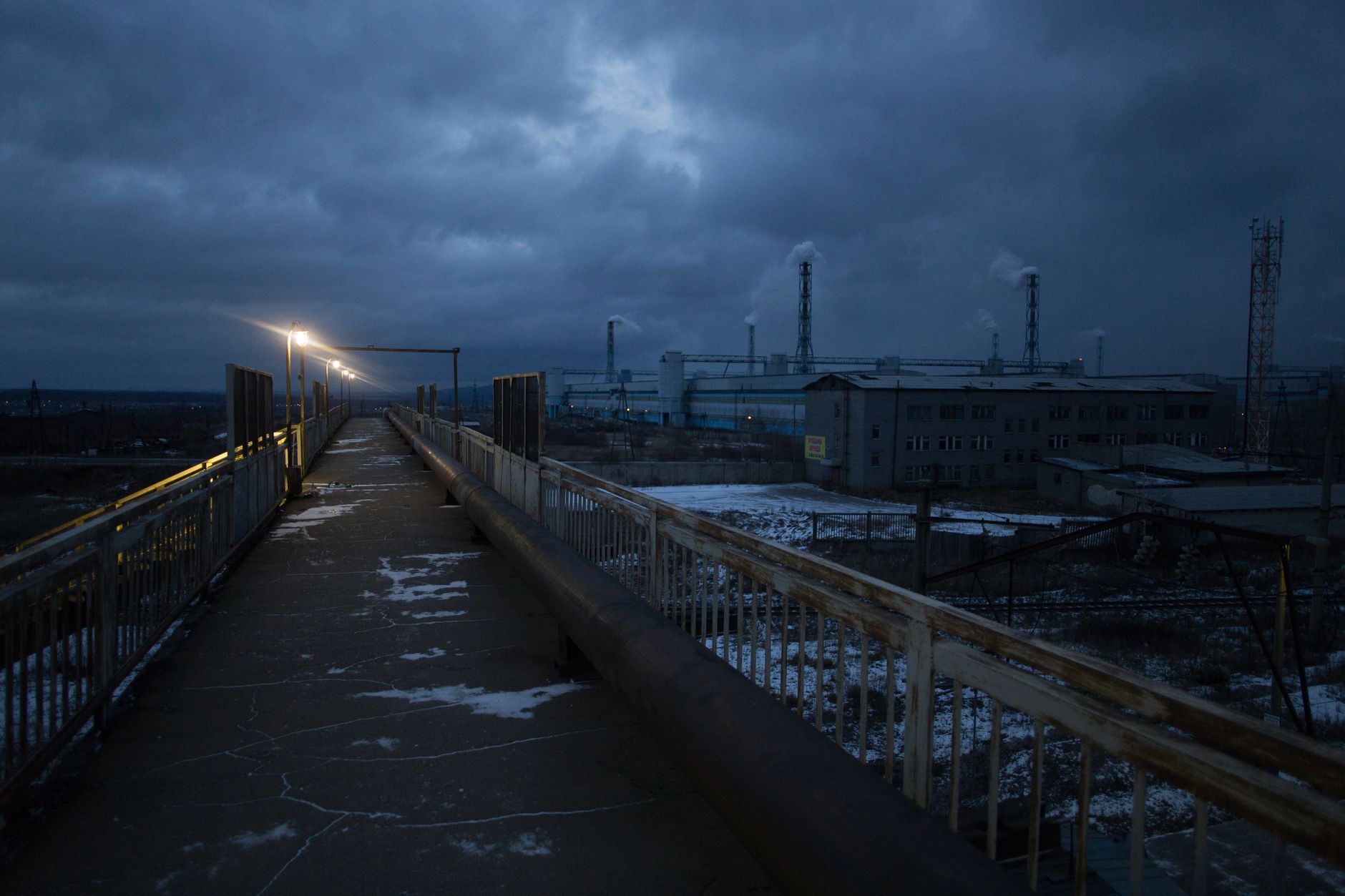
Smoke billowed over the Ryazan refinery last week. The fourth Russian oil facility hit by Ukrainian drones in a month. Each strike sends a message: Ukraine can reach deep into Russian territory. But here's the uncomfortable truth — those flames won't force Putin to the negotiating table.
Ukraine's campaign against Russian refineries is bold. Daring, even. Dozens of strikes since spring, targeting the industrial heart of Russia's war machine. The logic seems sound: cut fuel supplies, cripple logistics, starve the tanks. But the Kremlin's calculus doesn't work that way.
The math of pain
Russia processed 5.4 million barrels of crude per day before the war. Even with Ukraine's drone raids, that number hovers around 5 million. The attacks have taken out maybe 10-15% of capacity temporarily. Repairs happen fast. Russian engineers are good at patching holes.
“Every refinery hit is a temporary setback, not a knockout punch. Russia has the resources to fix them faster than Ukraine can build drones.” — Mikhail K., former Russian energy analyst
Ukraine's strategy assumes scarcity will break Russian resolve. But Russia isn't a normal country. It's an energy superpower with vast reserves and a population accustomed to hardship. Gas lines are a memory of the 1990s — but even if they returned, would Russians blame Putin or the West?
The civilian cost
Here's what the drone campaign doesn't broadcast: the fires have spread. Near the Novoshakhtinsk refinery in Rostov, residents reported black rain and breathing problems. A woman in Saratov told local media her father, a retired factory worker, died of a heart attack during an air raid siren. Collateral damage. The Kremlin's propaganda machine feasts on these stories.
Putin uses civilian suffering to rally his base. Every Ukrainian drone that misses its target — or hits something it shouldn't — becomes a recruitment poster. “Look what the Nazis do,” state TV chants. And a weary public, already numbed by war, nods along.
Why scarcity doesn't scare
Three factors make fuel shortages toothless as a weapon:
First, stockpiles. Russia hoarded oil products before the war. Reports suggest reserves sufficient for six months of military operations, even at current burn rates. Ukraine's drones are gnawing at the edges.
Second, alternative routes. Russia still exports crude via pipelines that bypass refineries. It can ship crude directly to China and India, who process it into fuel and sell it back — at a markup, but who cares? The war chest stays full.
Third, authoritarian resilience. Shortages cause grumbling, not revolutions. History proves it: Saddam Hussein survived years of sanctions. The Soviet Union collapsed from systemic rot, not a lack of gasoline in 1989. Putin's system is built to absorb pain — and deflect blame.
The real target
Maybe the point isn't to starve Russia. Maybe it's to starve Russia's exports. Every barrel not processed is a barrel not sold to global markets. That hits hard where it matters: export revenue. Russia's budget depends on oil and gas money. If Ukraine can dent that, even by a few billion dollars, it's a win.
But that's a long game. And Ukraine is running out of time. Western aid packages are shrinking. The 2024 election in the US casts a long shadow. Drones and missiles are expensive; Ukraine needs hundreds of them weekly to maintain pressure. The math doesn't add up.
“We need 10 times more drones to make a real difference. Right now, we're sending postcards.” — Ukrainian military source, speaking on condition of anonymity
What victory looks like
Imagine the best-case scenario: Ukraine disables 30% of Russia's refining capacity. Fuel prices spike in Moscow. Truckers protest. Putin's approval dips. Then what? He escalates. Strikes Ukrainian energy infrastructure harder. Sends more troops to Bakhmut. The war grinds on.
Fuel shortages in an authoritarian state rarely topple leaders. They don't even force concessions — because conceding is worse than enduring. Putin's calculus is simple: losing the war means losing power. Shortages are an annoyance.
Ukraine's refinery campaign is a tactical success. It's a strategic gamble. But betting that Russian patience will crack before Ukrainian resources run dry is a dangerous game. The evidence so far? Russia's tanks still move. Its planes still fly. Its people still nod at the evening news.
The hard truth
This war will not be won by choking gas stations. It will be won by combined arms, by Western resolve, by Ukraine's ability to hold territory and push forward. The refinery strikes are a sideshow — a spectacular one, but a sideshow nonetheless.
Putin won't bend because of fuel lines. He'll bend when his army breaks. And that requires more than drones over Ryazan. It requires shells, tanks, and a political will that seems to be fading.