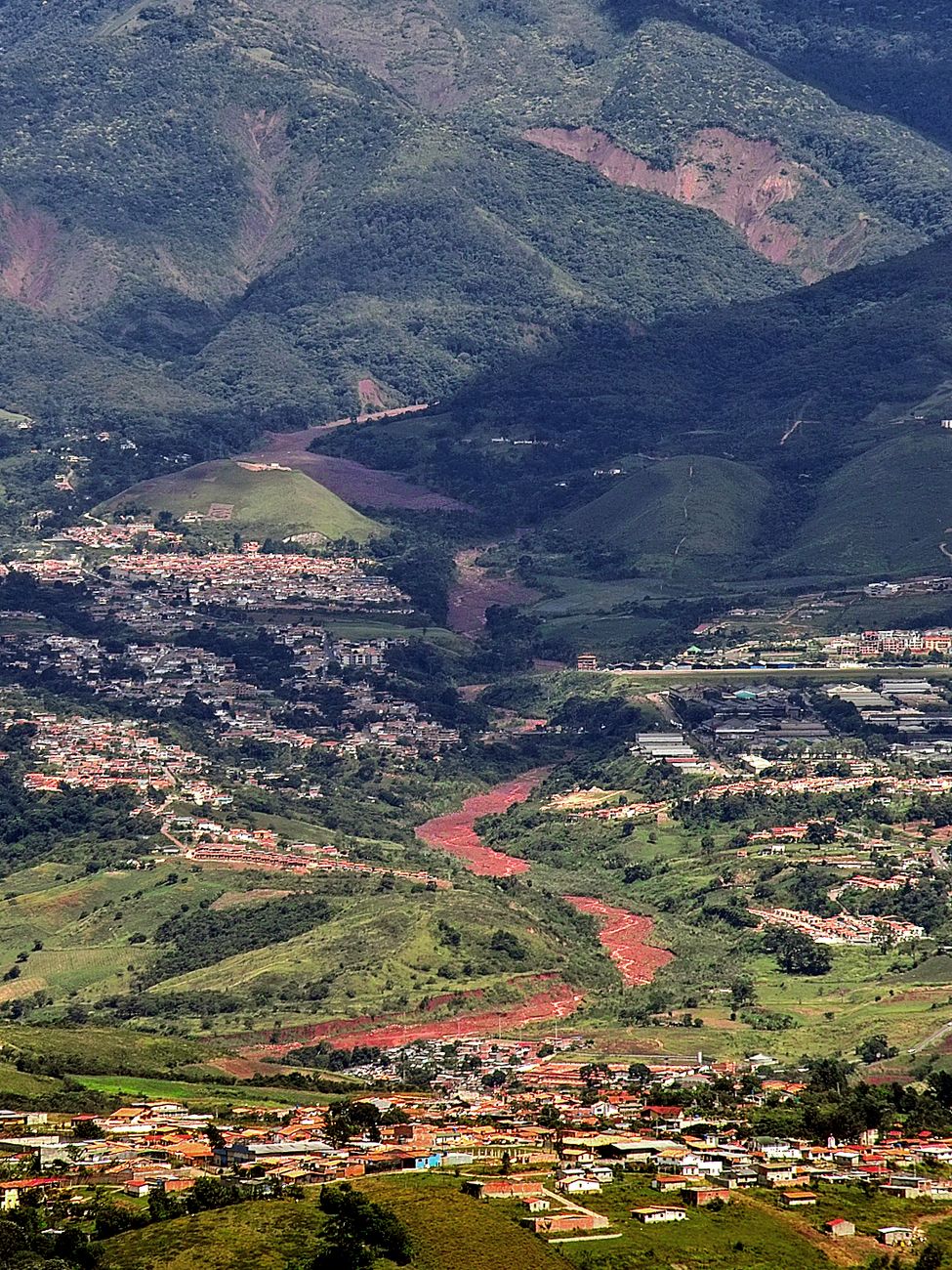
Two earthquakes, 48 hours apart. The first hit a 7.2 on the Richter scale, the second a 6.8. Together, they've flattened towns in western Venezuela and left hundreds dead. But the real question — the one that's being whispered in Caracas and shouted in Miami — is whether the United States will actually send aid to a country it's spent years strangling with sanctions.
The wreckage is real
The numbers are still coming in, but they're ugly. At least 340 dead, over 2,000 injured, and an estimated 50,000 homeless. The states of Zulia, Táchira, and Mérida took the worst of it. Hospitals are rubble. Roads are split open. The only working airport in the region, La Chinita, is a mess of cracked runways and broken control towers.
This isn't a crisis that Venezuela can handle alone. The country's oil industry has been gutted. Inflation is still astronomical. The government barely has cash to pay salaries, let alone rebuild entire cities. Which is why the plea from President Nicolás Maduro — a man Washington calls a dictator — is both desperate and awkward.
“We need the international community. We need our brothers and sisters in the Americas. We need everyone.” — Nicolás Maduro, June 26
Sanctions vs. sympathy
The US has a disaster relief budget. It's not small — about $13 billion a year through USAID. But for years, the Trump and Biden administrations have tightened sanctions on Venezuela, targeting oil exports, gold mining, and government officials. The logic: squeeze Maduro until he gives up power. But now, the people suffering under that squeeze are literally buried in rubble.
There's precedent for this. After Hurricane Maria devastated Puerto Rico in 2017, Washington sent billions — even though Puerto Rico is US territory. After the 2010 earthquake in Haiti, the US pledged $1.15 billion. But Venezuela is different. It's not a territory. It's not a fragile democracy. It's an enemy, or at least a rival.
And yet, the moral calculus is brutal. The people dying in Mérida aren't Maduro's inner circle. They're farmers, shopkeepers, nurses. Children. If the US sends aid, it props up a regime it despises. If it doesn't, it abandons millions of civilians to disease, hunger, and homelessness.
What Washington is saying — and not saying
So far, the White House has been cautious. A State Department spokesperson said the US is “monitoring the situation closely” and “considering all options.” That's bureaucrat-speak for: we haven't decided yet, and we're fighting about it behind closed doors.
Sources inside USAID tell me the agency has already drafted a preliminary aid package: $50 million in emergency food, water, and medical supplies. But it's stuck. The National Security Council is split. Hardliners argue that any aid will be siphoned by the military or sold on the black market. Moderates counter that not helping will be a propaganda win for Maduro and a black eye for American values.
“We can't let the perfect be the enemy of the good. People are dying. We have the capacity to help. The question is whether we have the will.” — Former USAID official, speaking on condition of anonymity
The wild card is the Venezuelan diaspora in the US. They're a powerful lobby, concentrated in Florida — a swing state. Many of them hate Maduro. But they also have relatives back home who just lost everything. Expect calls to your congressman. Expect pressure.
What the aid would actually look like
If the US does move, it won't be a simple check. The logistics are a nightmare. Venezuela's infrastructure was crumbling before the quakes. Now, it's a disaster zone. Aid would likely come through third-party NGOs — the Red Cross, Doctors Without Borders — to avoid direct dealings with the Maduro government. But that's slower, and it requires Venezuelan approval.
There's also the question of debt. Venezuela owes billions to China and Russia. Those countries have already offered aid — China sent a plane full of tents and generators within 24 hours. Russia promised field hospitals. If the US hesitates, it hands influence to Beijing and Moscow.
The irony is thick. The US has spent over a decade trying to dislodge Maduro. Now, a geological accident might force Washington to work with him — or explain why it won't.
The bottom line
This isn't a test of Venezuela's resilience. It's a test of American consistency. The US can't claim to champion human rights while letting a humanitarian crisis fester next door. But it also can't pretend that writing a check to Maduro doesn't have political consequences.
The answer might be messy: limited aid, tightly monitored, funneled through neutral groups. But the answer can't be nothing. Because in the end, the earthquake doesn't care about your foreign policy. It just crushes whoever is in the way.