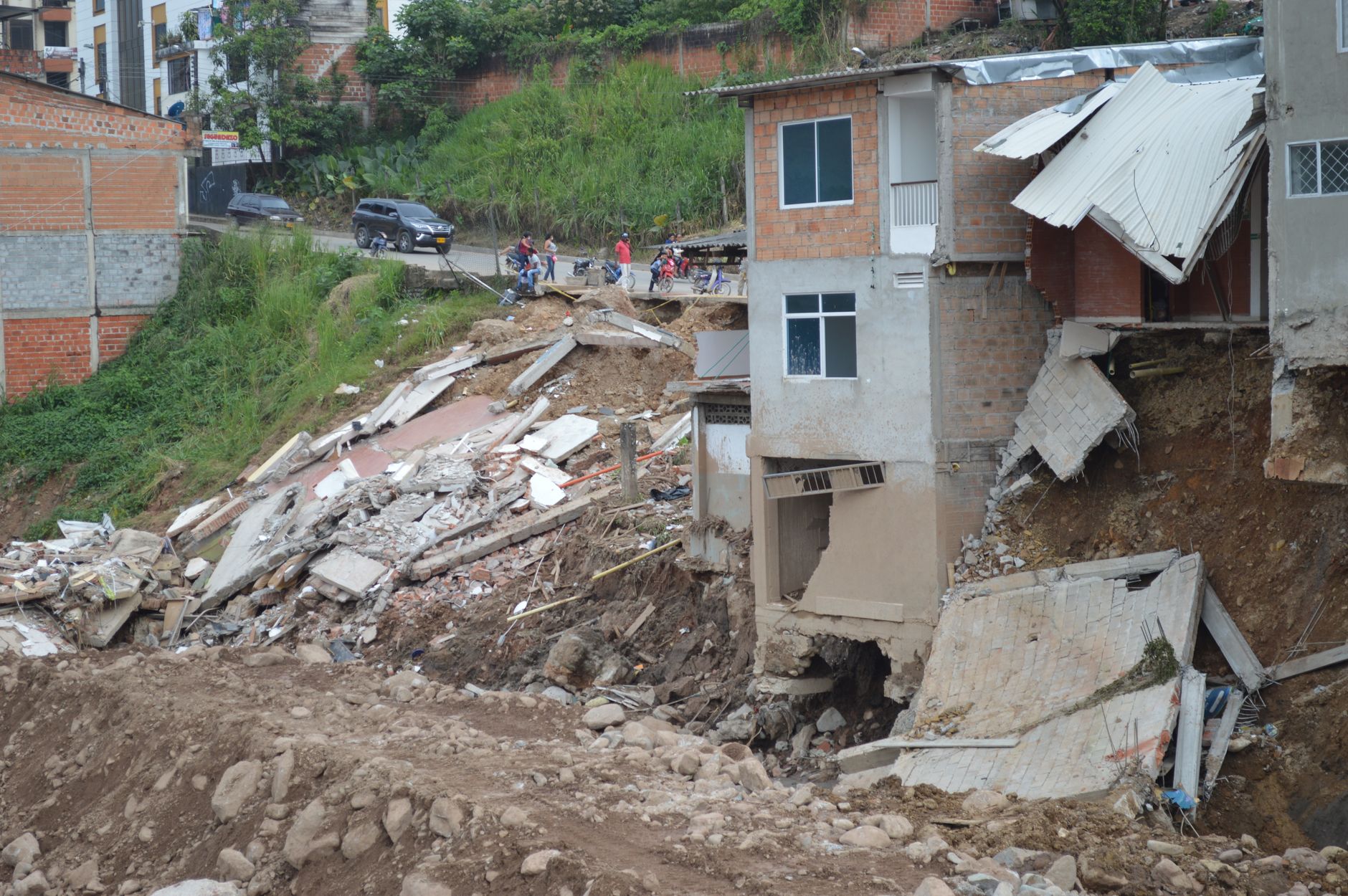
Caracas, Venezuela — The ground stopped shaking hours ago, but the screaming hasn't stopped. At least 920 people are dead after a massive earthquake leveled swaths of western Venezuela, officials confirmed Friday evening. Hundreds more are still trapped under collapsed buildings as international rescue teams begin to arrive — but for countless families, hope is fading fast.
The 7.8-magnitude quake struck just before dawn Thursday, catching millions asleep. In the hard-hit city of Mérida, entire apartment blocks pancaked into piles of concrete and rebar. The injured — the ones who made it out — lie in hospital parking lots because there's no space inside. Doctors operate by flashlight. The morgues are overflowing.
A City Reduced to Rubble
I've covered earthquakes from Haiti to Nepal. I've never seen anything like Mérida. The colonial center, a UNESCO World Heritage site, is gone. The cathedral — gone. The university where 20,000 students studied — reduced to a mound of dust and twisted metal.
“My daughter called me at 5 a.m.,” said María Fernández, 52, clutching a photo of her 28-year-old son. “She said, ‘Mami, the building is moving.’ Then the line went dead. I haven't heard from her since.” Fernández has been waiting outside the collapsed Santa Elena apartment block for 38 hours. Rescue workers told her to go home. She won't.
President Nicolás Maduro declared three days of national mourning and appealed for international aid. But his government, already crippled by sanctions and a collapsing economy, is struggling to respond. Military helicopters buzz overhead, but there aren't enough. Fuel shortages mean many ground vehicles can't move.
The Clock Is Ticking
Search-and-rescue teams from Mexico, Chile, and Spain have landed in Caracas, but logistics are a nightmare. The main highway to Mérida is cracked and blocked by landslides. Aid trucks are stuck hours away. “We're losing precious hours,” said Juan Carlos Méndez, a rescue coordinator with the United Nations disaster assessment team. “After 72 hours, survival rates drop dramatically. We are at hour 40.”
In the neighborhood of El Llano, a woman's voice could be heard from beneath a collapsed grocery store Thursday night. Rescuers dug for 14 hours. They found her body at dawn Friday. The crowd that had gathered fell silent. Then someone started to cry.
The official death toll is 920. Local officials say that number will rise. “We're not even done counting,” said Mérida Mayor Alí Romero, his voice breaking during a live television broadcast. “There are entire families we cannot find.”
“We're not even done counting. There are entire families we cannot find.”
A Country Already on Its Knees
This earthquake didn't hit a stable nation. Venezuela has been in freefall for a decade. Hyperinflation, food shortages, a healthcare system in collapse. Now this. The quake struck the country's most vulnerable — the poor who live in unregulated, poorly built high-rises that swayed and crumbled like paper.
“These buildings were death traps long before the earthquake,” said Ana Lucía Ramírez, a structural engineer at the University of Los Andes. “They were built without permits, without steel reinforcement. One strong shake and they were gone. We knew this would happen. We just couldn't stop it.”
Hospitals, already short on medicine and electricity, are overwhelmed. Surgeons are working by cellphone light. Amputations are being performed without anesthesia. “We ran out of morphine yesterday,” a nurse told me, refusing to give her name for fear of reprisals. “We have to choose who gets pain relief. How do you choose?”
The Politics of Disaster
Maduro appeared on national television Friday, wearing a military jacket and promising swift action. But many Venezuelans are skeptical. The government's response has been slow and chaotic. International aid offers have been accepted, but the U.S., which has imposed crippling sanctions, said it is “ready to assist” — a phrase that means little in practice.
“The sanctions are a crime against humanity,” said opposition leader Juan Guaidó, who has been locked in a power struggle with Maduro for years. “Even now, in the middle of a catastrophe, the regime is using aid as a political tool.”
He's not wrong. Aid shipments from Russia and China have already arrived. U.S. aid remains stuck in diplomatic limbo. Meanwhile, the bodies pile up. Politics doesn't stop for the dead.
Survivors Search for Answers
In the town of Ejido, a suburb of Mérida, a father named Carlos Rivas dug through the remains of his home with his bare hands. He found his wife's body Friday morning. His two children, ages 6 and 9, are still missing. “I can't stop digging,” he told me, his hands bloody and raw. “What else can I do?”
That's the question haunting Venezuela tonight. What else can anyone do? The earth has already done its worst. Now it's a waiting game — waiting for rescuers to arrive, waiting for the dead to be counted, waiting for a country that was already broken to somehow find the strength to rebuild.
But for thousands of families, there is no waiting. They're digging with their hands. They're calling out names in the dark. They're praying for a miracle that may never come.
And when the cameras leave and the international teams pack up, the grief will remain. Venezuela will still be in ruins. And the world will move on to the next disaster.
But don't tell that to María Fernández. She's still waiting outside the Santa Elena block. She hasn't slept. She hasn't eaten. All she has is a photo of her son and a sliver of hope that won't let go.