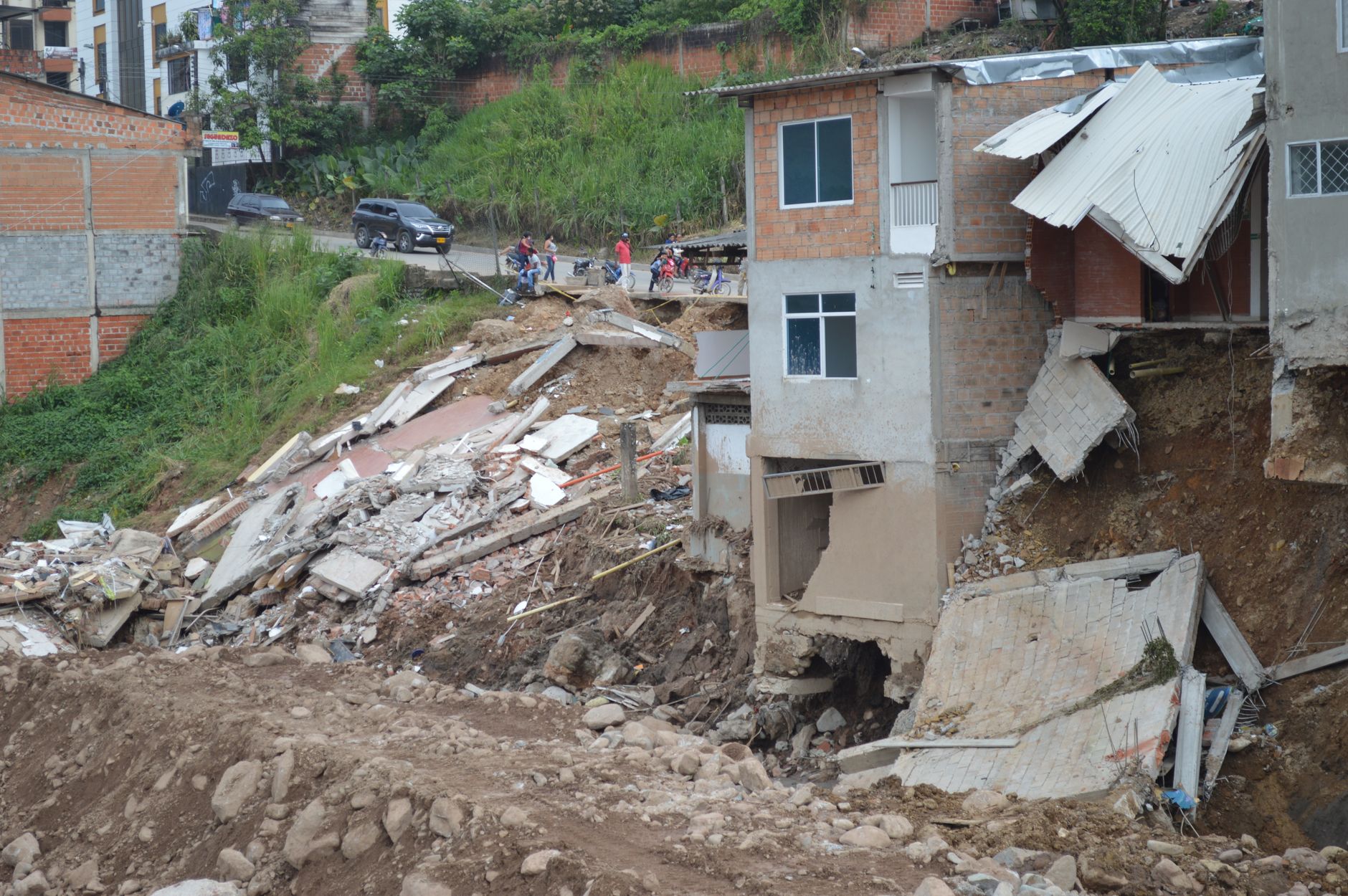
The ground was still shaking when the first pledges hit Caracas. Within hours of Tuesday's devastating 7.8 magnitude earthquake—followed by a 6.4 aftershock—Venezuela found itself the center of a global relief effort that has already mobilized millions in aid, medical supplies, and search teams from more than a dozen countries.
No Time for Politics
For a nation long isolated by sanctions and diplomatic rows, the outpouring is startling. Even the United States, which has maintained crippling sanctions against Nicolás Maduro's government, announced an initial $2.5 million in emergency assistance. “Disasters don't respect borders or ideologies,” a State Department spokesperson said flatly. Translation: We're not going to let people die because we hate the president.
Brazil was first to respond, sending three cargo planes loaded with field hospitals and water purification systems. Colombia, despite its own ongoing migration crisis with Venezuelan refugees, opened its border for aid convoys and dispatched 150 paramedics. Mexico offered 50 tons of canned goods and medicine. Chile sent a team of structural engineers to assess building safety.
“When the earth moves, we move together. That's what solidarity is.” — President of Brazil, Luiz Inácio Lula da Silva
The Numbers Game
As of Friday, the official death toll stands at 734, with over 5,200 injured and 1,800 missing. But those numbers are fluid. In the coastal state of Falcón, entire villages have been flattened. Rescuers are still digging through rubble with their bare hands because heavy machinery can't reach the narrow mountain roads.
The Venezuelan government has declared a 30-day state of emergency and activated the UN Central Emergency Response Fund, which released $15 million within 48 hours. The Red Cross launched a $20 million appeal. The European Union offered €10 million, plus satellite imagery to help map damage.
Who Sent What
The pledges are coming in fast. Russia—a longtime ally—sent 100 tons of food, tents, and a mobile hospital. China pledged $5 million and promised a medical team of 60 doctors. Cuba, already strained by its own economic crisis, dispatched 200 doctors and nurses, many of whom specialize in disaster response. Iran sent 20,000 blankets and 10,000 hygiene kits.
Closer to home, Argentina offered 30,000 doses of tetanus and cholera vaccines. Peru sent 50 search-and-rescue specialists. Ecuador donated 1,000 body bags—a grim but necessary contribution. Even tiny Uruguay provided 10,000 liters of drinking water.
But not everyone is opening their wallets. Saudi Arabia and the UAE, usually quick to respond to humanitarian crises, have been silent. Turkey initially pledged $1 million but has not yet delivered. The silence is deafening, and Venezuelan officials have noted it.
The Logistics Nightmare
Aid pledges are one thing. Getting them to the people who need them is another. Venezuela's infrastructure was crumbling long before the earthquake. Power outages are routine. Fuel shortages mean many trucks can't run. The main airport in Caracas is overwhelmed, with cargo planes stacking up on the tarmac.
“We have enough food to feed 50,000 people for a week sitting in a warehouse in Maiquetía,” a Red Cross logistics coordinator told me. “But getting it up to the affected areas? That's going to take days. The roads are gone.”
The government has commandeered all available helicopters and is using navy vessels to reach coastal towns. Even so, aid workers estimate that only 40% of those in need have received any help so far. The aftershocks—more than 200 so far—are slowing everything down.
Sanctions Snag
Here's the irony: U.S. sanctions, intended to pressure Maduro, are now hindering relief. Banks are refusing to process donations to Venezuelan accounts for fear of violating sanctions. The U.S. Treasury issued a general license on Wednesday authorizing earthquake-related transactions for 90 days, but confusion persists. Some airlines are refusing to ship supplies because they don't want to risk legal trouble.
Human rights groups are livid. “Every day of delay costs lives,” said a spokesperson for Amnesty International. The U.S. insists the license is sufficient. But on the ground, it's not that simple.
What's Next
The rainy season is starting. Makeshift shelters are being built, but they won't hold up against the downpours. Cholera outbreaks are a real threat—the water system is shattered. The World Health Organization has pre-positioned 1.2 million cholera vaccine doses, just in case.
Venezuela will need billions, not millions, to rebuild. The government's official estimate of damage is already $8 billion and climbing. International donors have pledged around $450 million so far. A fraction.
For now, the focus is on search and rescue. The first 72 hours are critical. We're past that now. Hope is fading. But the aid keeps coming. And that's something.
Read more: Venezuela Earthquake: Photographs show devastation in Caracas and beyond.