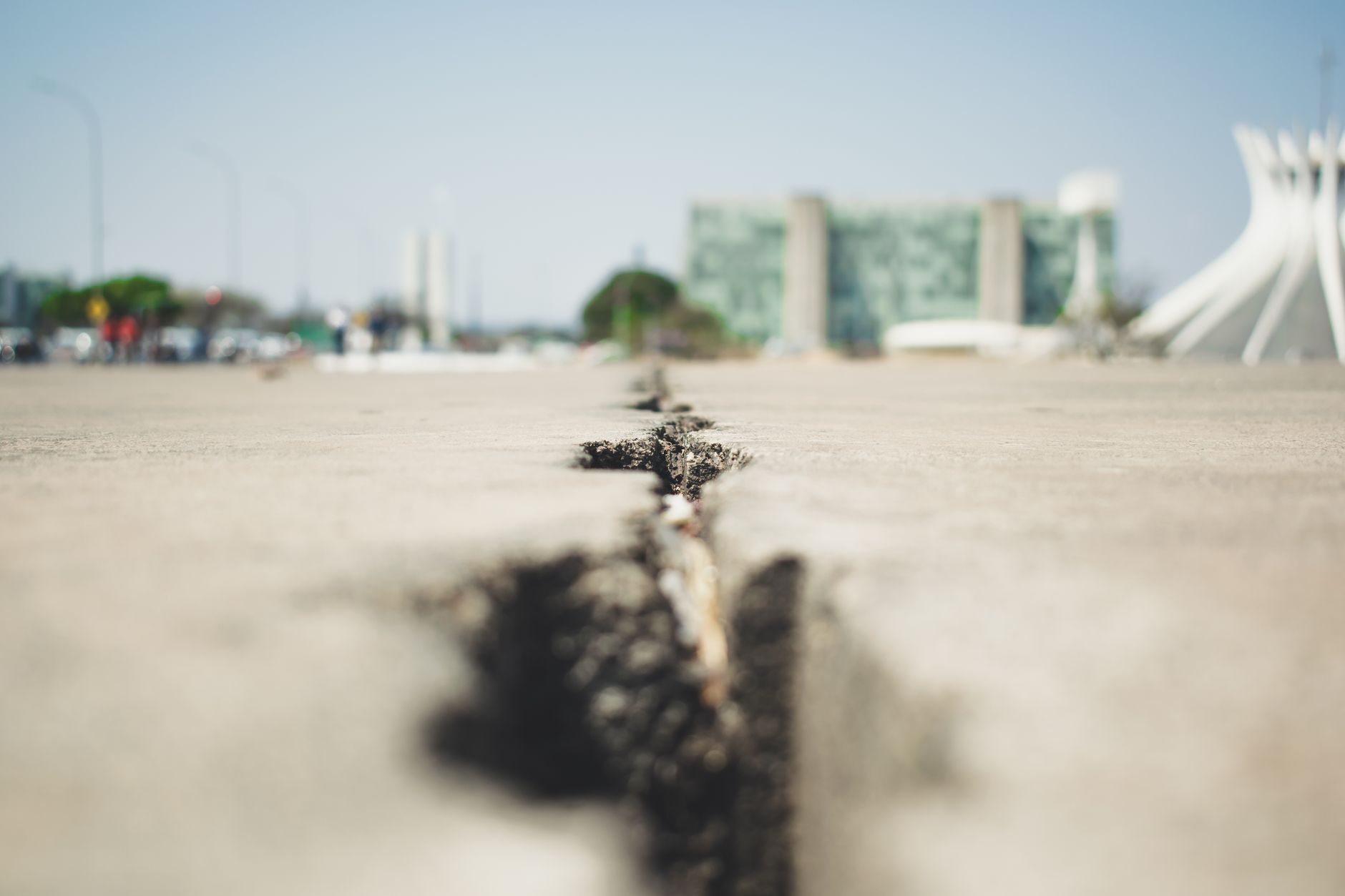
Caracas, 25 June – Two earthquakes hit Venezuela’s capital seconds apart Thursday, leaving buildings swaying and residents screaming into the streets. The first quake registered 7.2 on the Richter scale; the second, a 7.5. For those who lived through it, the ground didn't just shake—it betrayed them.
“I’ve felt tremors before, but this was different,” says Maria Torres, 42, a shopkeeper whose stall collapsed. “The floor turned to liquid. I couldn’t stand. I thought the sky was falling.” She’s not exaggerating. Witnesses describe windows exploding, cars bouncing on asphalt, and a collective wail that rose from the city like a wounded animal.
Panic in Real Time
Social media flooded with shaky videos in seconds. One clip shows a woman clutching a child as a concrete balcony shears off above them. Another captures a man running through a supermarket as shelves topple like dominoes. The Venezuelan government has yet to confirm casualties, but early reports suggest hundreds may be injured. Hospitals are already overwhelmed.
“The ground turned to liquid. I couldn’t stand. I thought the sky was falling.” — Maria Torres, Caracas shopkeeper
The quakes hit just after 8 PM local time. The first jolt lasted 20 seconds; the second, 15. For those counting—most of us—it felt like an eternity. Geologists call it a “doublet”: two large quakes in near succession, a rarity that magnifies destruction. Buildings already weakened by the first tremor collapse under the second. It’s the stuff of disaster movies, but this is real, and it’s happening in a country that can barely keep the lights on.
A Country Already on Its Knees
Venezuela is no stranger to crisis. Hyperinflation, blackouts, political turmoil—the list goes on. But an earthquake? That’s a new kind of cruelty. The nation’s infrastructure, crumbling from years of neglect, never stood a chance. Power lines snapped within minutes, plunging entire neighborhoods into darkness. Mobile networks jammed as panicked citizens tried to reach loved ones.
The government’s emergency response is, predictably, a mess. President Nicolás Maduro appeared on state television hours later, urging calm and promising aid. But promises have worn thin in a country where medicine is scarce and the economy runs on barter. “We don’t need speeches, we need water and torches,” says Carlos Rivas, 55, a retired teacher whose home is now a pile of rubble. “Where is the army? Where is the help?” Good question. So far, the only help visible is from neighbors digging through debris with bare hands.
The Science of Terror
Seismologists were caught off guard. The Caribbean Plate’s boundary with South America isn’t known for doublets. “This is a wake-up call,” says Dr. Ana Palacios, a geologist at the University of the Andes. “Venezuela sits on a complex fault system. We’ve been lucky until now.” Luck, though, is a fickle thing. The last major quake to hit Caracas directly was in 1967, when a 6.5 killed over 200. This time, the magnitude is higher, but the epicenter—just 30 kilometers offshore—spared the city the worst shaking. Still, the psychological damage is done.
Listen to the sound of a city holding its breath. Every dog bark, every car horn triggers a new wave of panic. Aftershocks continue to rattle nerves. One woman I spoke to near the city center flinches at the rumble of a passing truck. “I can’t sleep,” she whispers. “Every time I close my eyes, I feel the ground moving.” She’s not alone. Mental health experts warn of widespread trauma in the days ahead. For a population already battered by economic collapse, this is a breaking point.
What Comes Next?
The immediate need is rescue and relief. International aid has been offered—Cuba, Mexico, and the US have all extended a hand. Whether Maduro accepts it is another matter. Political gamesmanship during disaster is a Venezuela specialty. But for now, the focus is on the living. Search teams are working through the night, using flashlights and bare hands. The death toll, once confirmed, could push this into the realm of catastrophe.
I’ve covered earthquakes before—in Mexico, in Nepal, in Haiti. The aftermath has a grim rhythm: first the shock, then the digging, then the counting. Venezuela is still in the first phase. The streets are filled with dazed survivors, many clutching whatever they could grab. A child holds a dog. A man carries a television. A woman wanders with a photo album, her only possession. These are the images that will haunt this nation long after the tremors stop.
As I write this, the earth continues to shiver. Another aftershock just hit—4.2, maybe 4.5. I ducked under my desk out of habit. The room swayed. So did my stomach. This is what living on a fault line feels like: you’re never quite sure the ground won’t open up again. For Venezuela, a country that has already endured so much, the ordeal is far from over.