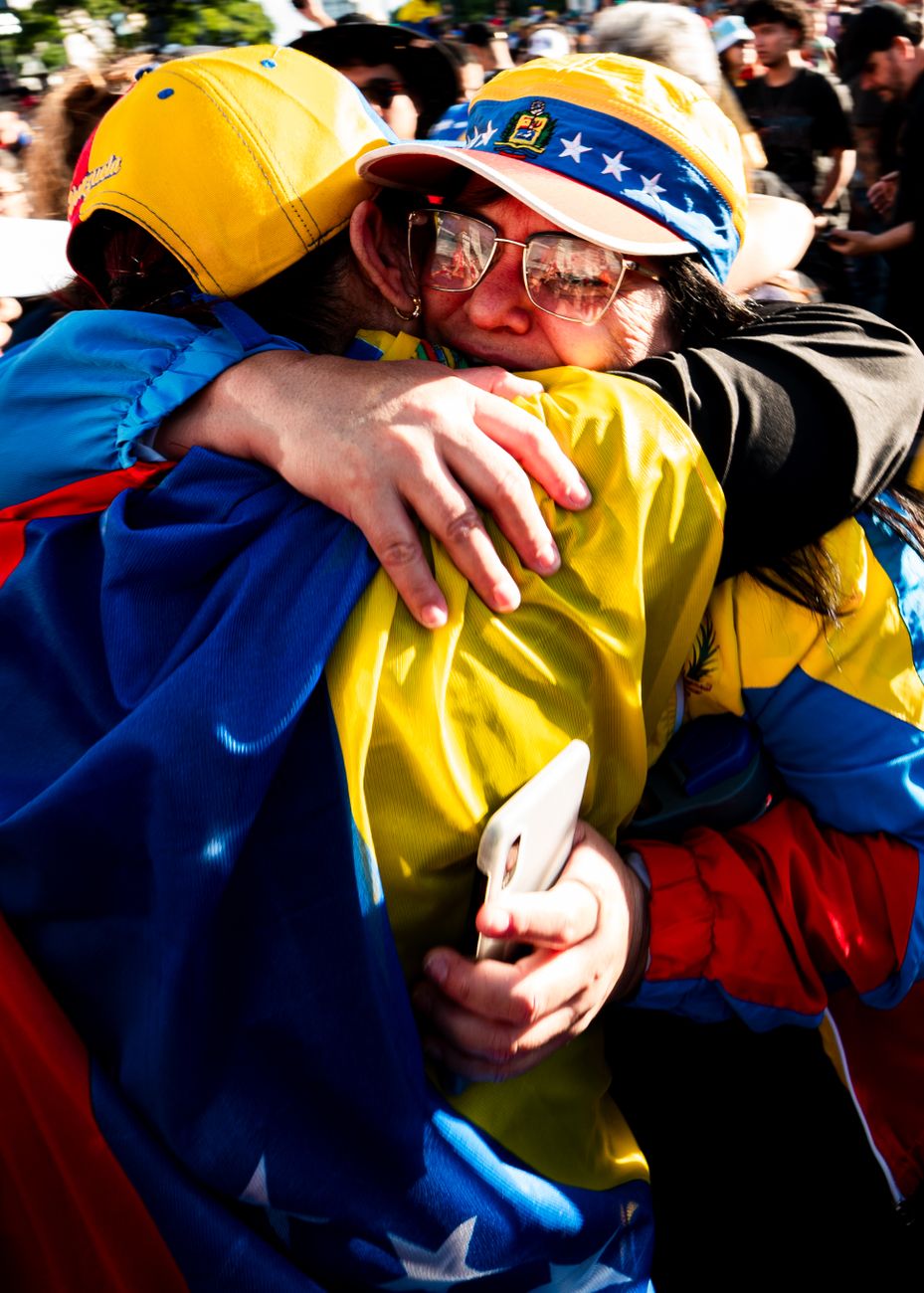
The ground stopped shaking hours ago. But Venezuela is still falling.
Initial estimates peg the damage from Wednesday's 7.3-magnitude earthquake at a staggering 7 percent of the country's GDP. That's not just a number. In a nation where the economy has already shrunk by 80 percent over the past decade, where hyperinflation has turned the bolívar into confetti, where millions have fled — this quake didn't just crack buildings. It cracked the foundation of a failed state.
Let's be clear: Venezuela didn't have 7 percent of GDP to spare. It had nothing to spare. The Maduro regime has been running a shell game for years, printing money to stay afloat while the oil industry — the country's only real revenue source — collapsed from mismanagement and sanctions. Now, a natural disaster is demanding resources the government doesn't have.
How Do You Rebuild When You Can't Even Run a Power Grid?
The quake's epicenter was near the coastal city of Cumaná, but the damage radiated inland. At least 15 people are dead. Hundreds are injured. Thousands are homeless. Hospitals — already hobbled by shortages of medicine, electricity, and even clean water — are overwhelmed.
This is a regime that couldn't keep the lights on during a routine blackout. Remember 2019? Five days without power in Caracas. Patients died in dialysis clinics. Food rotted in warehouses. Now imagine that same infrastructure, already held together with duct tape and desperation, hit by a seismic event that would test a first-world nation's resilience.
You can't. Because you haven't seen what I've seen. I've walked through those hospitals. I've talked to doctors who perform surgeries by flashlight. The quake didn't create Venezuela's crisis. It just made it impossible to ignore.
The Maduro Playbook: Deny, Deflect, Don't Pay
The regime's response has been predictable. Nicolás Maduro appeared on national television, vowing to rebuild. He promised international aid — as if anyone trusts his government to distribute it. He blamed the United States for 'economic warfare' that weakened the country's ability to respond. Classic deflection.
Let's be honest: even if the U.S. lifted every sanction tomorrow, Maduro couldn't manage a reconstruction project. The same corruption that siphoned billions from PDVSA, the state oil company, would devour relief funds. The same incompetence that let the power grid rot would ensure that rebuilding is slow, shoddy, and stolen from.
Look at the numbers: Venezuela's GDP was already estimated at around $50 billion in 2025 — down from nearly $500 billion in 2012. Seven percent of that is $3.5 billion. That's not a rounding error; it's a gut punch. But the real cost isn't just the destroyed buildings and broken roads. It's the lost productivity, the disrupted supply chains, the capital flight that's sure to accelerate.
Who's Going to Pay for This?
Not the government. The central bank has less than $10 billion in reserves, and most of that is probably in gold that's been sold or pledged. The International Monetary Fund? Good luck. Venezuela is already in default, and the regime has resisted any conditions that might come with a bailout.
The international community will offer sympathy. Some aid will trickle in through NGOs. But the scale of this disaster demands a coordinated response that Venezuela's isolation makes nearly impossible. The U.S. and its allies are not eager to throw money at a regime they've been trying to oust. China and Russia, Venezuela's traditional backers, have their own problems and are unlikely to write a blank check.
So who pays? The Venezuelan people. Again.
The Human Toll That Won't Fit in a Spreadsheet
I've covered earthquakes in Haiti, in Nepal, in Mexico. The initial death toll is always a lie — it always rises. But in Venezuela, the aftershock is the real killer. Without functioning hospitals, people die from infections that would be easily treated elsewhere. Without clean water, cholera and dysentery will spread. Without reliable transportation, aid can't reach remote communities.
And then there's the psychological toll. Venezuelans have been battered for years. They've endured shortages, violence, political repression. They've watched their country crumble. Now nature has joined the assault. The resilience I've admired in the Venezuelan people — and I have admired it — is not infinite. Something breaks when you've been told 'it can't get worse' and then it does.
A Verdict on a Failed State
This earthquake didn't just shake Venezuela. It exposed a regime that has no capacity to govern. A government that can't protect its citizens from a natural disaster is not a government — it's a gang with a flag.
The rebuilding will take years, if it happens at all. But the real question is whether Venezuela can ever rebuild the social contract that's been shattered. The Maduro regime will try to use this disaster to rally nationalist support. Don't fall for it. The only thing that can save Venezuela is a complete overhaul of its political system — one that puts competence and compassion above cronyism and control.
Until then, every aftershock will be a reminder: Venezuela is still falling. And no one is coming to catch it.