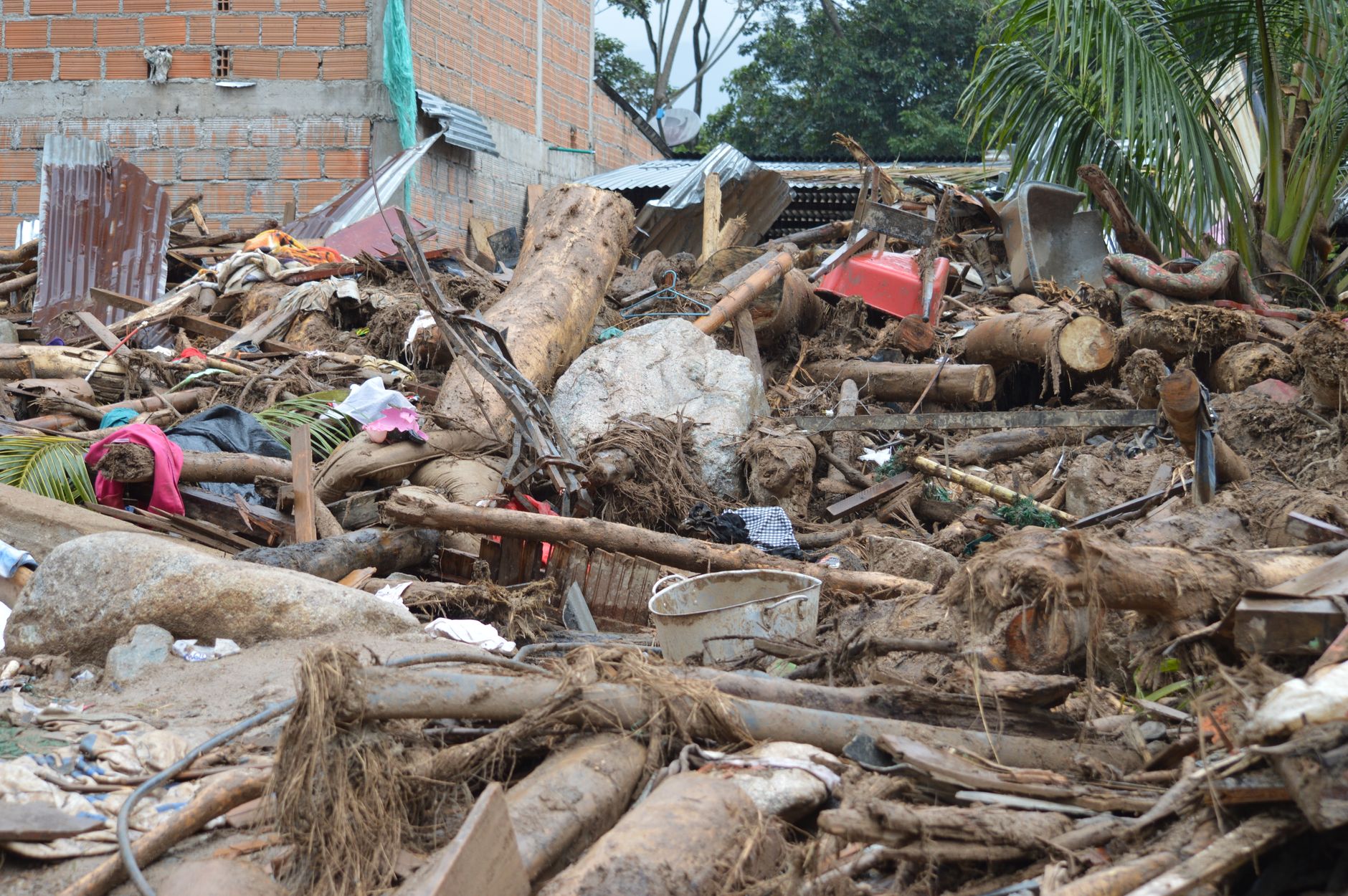
From the air, La Guaira looks like someone took a giant fist and punched down. Multi-storey buildings pancaked, roads twisted like torn ribbons, and the sea—usually a postcard backdrop—now laps at rubble that was once someone's home. The twin earthquakes that hit Wednesday didn't just shake Venezuela; they exposed something far more rotten than cracked concrete.
A country that can't keep the lights on, can't get fuel to its pumps, and can't feed its people sure as hell wasn't going to retrofit its buildings for seismic safety. Now we have the bill: collapsed schools, flattened apartments, and a death toll that's still climbing because rescue teams can't get heavy equipment to the sites. The government blames nature. Nature just delivered the final blow.
The Ghosts of Good Intentions
Venezuela sits on the Caribbean plate boundary. Everyone knew the big one would come. Engineers warned. Urban planners warned. Even local newspapers ran features on seismic preparedness back in 2015, when oil money still bought a semblance of competence. But then the economy cratered, corruption metastasized, and the warnings got buried under inflation reports and black market exchange rates.
What we're seeing in the aerial footage isn't just a natural disaster. It's an infrastructure audit conducted at gunpoint. Buildings that should have been reinforced ten years ago are now piles of rebar and dust. Hospitals that couldn't stock medicine are now flooded with the injured. The national power grid, already limping, is down across three states. Medical refrigeration? Forget it. Vaccines, insulin, blood supplies—all spoiling in the heat while the government holds press conferences.
“The earthquake didn't kill these people. The neglect did. That's the story they don't want you to write.”
I've covered disasters on four continents. Earthquakes in Chile, cyclones in Bangladesh, war in Syria. Every time, the pattern holds: the poor die first. But here, it's worse. Here, the middle class is also poor. The professionals—engineers, doctors, architects—they've fled. The ones who stayed are the ones who couldn't afford to leave. And they're the ones digging through concrete with their bare hands.
Maduro's Mirage
The regime is already spinning. International aid? They'll accept it, but only through government channels—meaning most of it will vanish into the same black hole that swallowed billions in oil revenue. The military is 'coordinating rescue efforts,' which in practice means soldiers standing around while locals carry the wounded on doors ripped from hinges.
Meanwhile, Nicolás Maduro appears on television, promising reconstruction loans that everyone knows are printed on worthless bolivars. He poses with hard hats in front of rubble, flashing that eerie grin. It's theater. The same theater we saw after the 2017 protests, after the 2019 blackouts, after the pandemic. The script never changes. The bodies just pile higher.
And the international community? They'll send condolences. Maybe a few million dollars in 'humanitarian assistance' that will be siphoned off before it reaches a single survivor. Then the news cycle moves on. Venezuela has become background noise—a tragedy so familiar it's almost boring. That's the real horror. Not the earthquakes, but the collective shrug.
The Rubble Tells the Truth
Look closely at the footage. See that collapsed apartment block with the pink facade? That was built in 2008, during the Chávez boom. It had four stories, but only six columns on the ground floor. Should have been twelve. The architect skimped on steel because the contractor bribed the inspector. That's not a guess—that's how every building went up in that boom. Speed over safety. Greed over lives.
Now see the neighborhood next to it—the older houses, built in the 1960s. They're still standing. Not because they're lucky, but because they were built right. Hand-mixed concrete, thick walls, proper foundations. The irony is thick: the old colonial houses, built without modern engineering, survived. The modern towers, built with all the corruption that 'progress' brought, crumbled.
There's a lesson there, but I doubt anyone in power will learn it. They'll blame God. They'll blame climate change. They'll blame the CIA. Anyone but themselves.
What Rescue Looks Like
My contact on the ground—let's call him Carlos, because his family still lives there—sent me a voice note. In the background, you can hear dogs barking, someone screaming for water, and a generator sputtering. Carlos says the rescue teams are using shovels and crowbars. There's no heavy equipment because the fuel trucks can't get through. The port is damaged. The airport is operating at half capacity. The country has effectively been bisected.
Carlos is a former engineer. He worked on the water treatment plant in Maiquetía. He hasn't been paid in six months. But he's out there, organizing volunteers, marking safe zones, telling people not to light candles near gas leaks. He does it because someone has to. The state is absent. The neighbors are all he's got.
That's the other story the footage doesn't show: the solidarity. People sharing the little food they had. A bakery owner handing out bread until his oven went cold. A retired nurse setting up a triage station in a park. Human decency flourishing in the cracks of a failed state. It's beautiful and it's tragic, because none of it should be necessary.
The Bigger Shake
This earthquake isn't just a crisis. It's a verdict. Venezuela's government has been robbing the country for decades, and now the ledger is due. Infrastructure doesn't forgive. Poverty doesn't wait. Nature doesn't care about your political slogans.
The aerial footage is damning evidence. Every collapsed building is a testimony to stolen money. Every trapped body is a statistic of neglect. But the cameras will leave soon. The world will forget. And Venezuela will go back to being a footnote in the global news digest.
Unless something changes. Unless the survivors rise up and demand that the next building doesn't fall. Unless the international community stops funding the regime's survival and starts funding the people's survival. Unless we realize that an earthquake is never just an earthquake—it's a mirror.
What we see in that mirror is ugly. But it's real. And the only way out is to stop looking away.