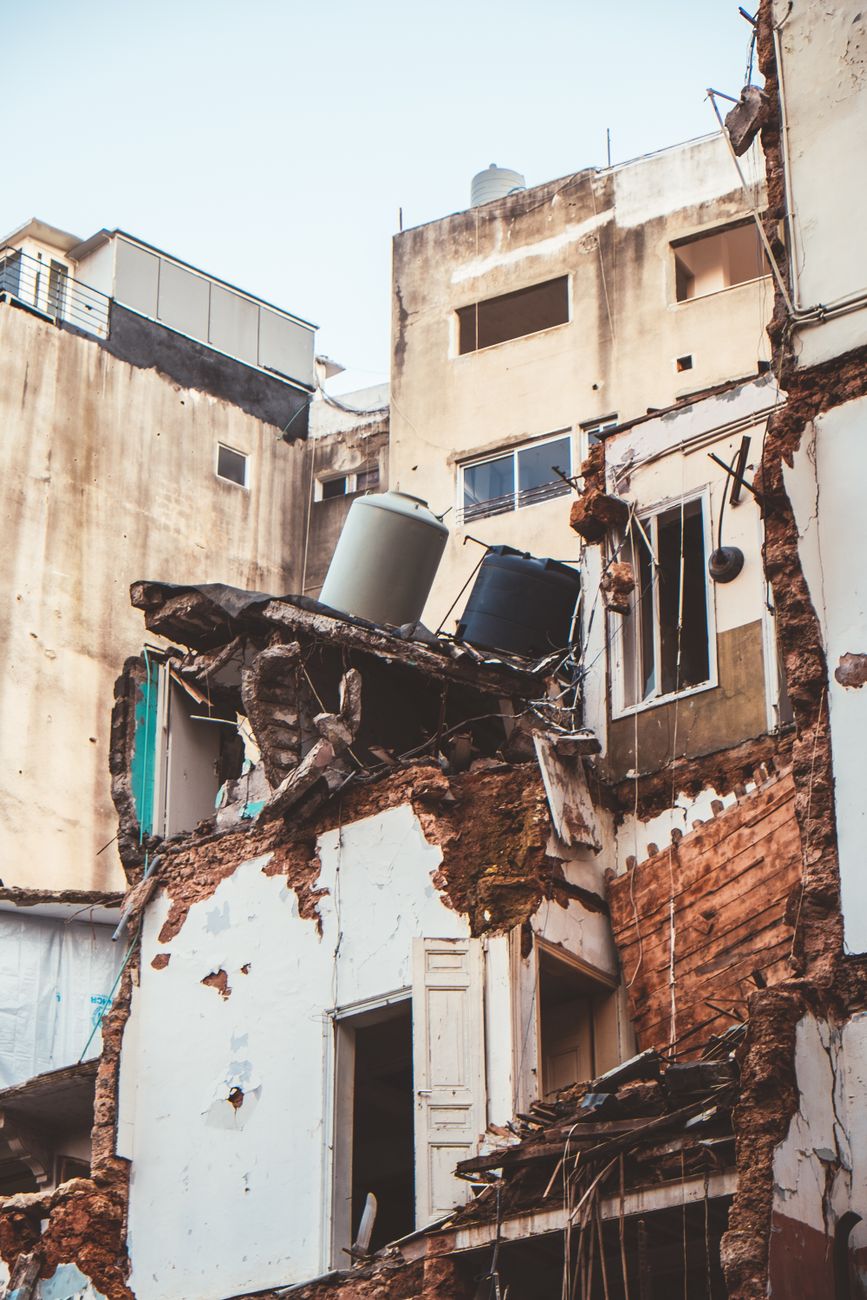
The ground didn't shake once. It shook twice, seconds apart, each jolt strong enough to level buildings and tear open the earth. Venezuela is reeling tonight after twin earthquakes—both above magnitude 7.0—struck near the coast, killing at least 188 people and injuring nearly 1,500. Rescuers are still digging through collapsed homes and offices, hoping to pull more survivors from the wreckage.
Thursday's disaster hit just after noon local time. The first quake, a 7.3, was followed by a 7.2 within 30 seconds. That back-to-back pounding turned what might have been survivable into a nightmare. In Caracas, office workers ran into the streets as glass rained down from high-rises. In smaller towns closer to the epicenter—in the states of Falcón and Yaracuy—entire neighborhoods were flattened.
Shallow and Vicious
Both quakes originated less than 10 kilometers underground. That shallow depth meant the energy had no time to dissipate before reaching the surface. The result: violent, chaotic shaking that turned concrete buildings into piles of rubble.
In the coastal city of Coro, a hospital partially collapsed. Patients were wheeled into parking lots as aftershocks continued. In San Felipe, a school gymnasium caved in during a youth sports event. The death toll there is unclear, but witnesses described scenes of panic—parents clawing through debris, children screaming.
“It was like being in a washing machine. You couldn't stand. You couldn't run. You just held on and prayed.” — María González, survivor in Coro
Venezuela sits on the boundary between the Caribbean and South American tectonic plates. The region has seen deadly quakes before—a 7.7 in 1900 killed thousands—but modern building codes have been weak, and corruption has often meant shoddy construction. This is the cost of that neglect.
Search and Rescue Under Crisis
President Nicolás Maduro declared a national state of emergency and deployed the military to assist. But Venezuela's infrastructure is already crumbling—fuel shortages, blackouts, and a health system in ruins. Rescuers are working with hand tools and bare hands. Heavy equipment is scarce. In some areas, the only way to reach survivors is to carry them on stretchers over roads blocked by landslides.
International aid is trickling in. The Red Cross has mobilized teams from Colombia and Brazil. The United States offered assistance, but Maduro's government has a history of refusing foreign help. This time, with the death toll climbing, they may have no choice.
As of this writing, the official count stands at 188 dead. That number is expected to rise. Hundreds more are still missing. The injured fill every hospital bed, and many are being treated in makeshift triage tents set up in parks and parking lots.
Why This Death Toll Is Worse Than It Should Be
Let's be blunt: this didn't have to be this bad. Magnitude 7 quakes are serious, but in places with strong building codes—Japan, Chile—the death toll is often in the dozens, not hundreds. Venezuela's problem isn't the earth; it's the buildings. And the government. And the corruption that let contractors use substandard materials.
After a 2018 earthquake that killed a handful of people, officials promised stricter inspections. Those promises were forgotten. Now, entire apartment blocks have pancaked—floors collapsing onto floors—because the columns were too weak. The same story, the same grief.
In the town of Chichiriviche, a church that had stood for 200 years was reduced to a pile of stones. Next to it, a cheaply built apartment building from the 1990s was also gone. The difference: the church was built by craftsmen who knew the land; the apartment was built by contractors who knew the price of a bribe.
The Long Night Ahead
Night has fallen in Venezuela. Power is out across much of the affected region. Rescue teams work by flashlight and generator. The occasional aftershock sends everyone running again, even as they dig for survivors.
In Coro, a woman held a vigil outside the remains of her home. Her daughter was still inside. Rescuers had heard tapping earlier in the day, but the sounds had stopped. She didn't want to talk to reporters. She just stared at the rubble, her hands gripping a rosary.
The next 48 hours are critical. After that, the chance of finding survivors drops sharply. The world watches, but for now, it's just Venezuelans—neighbors helping neighbors, arms pulling at concrete, hoping for one more miracle before the dust settles for good.
This is a nation already broken by economic collapse, political chaos, and mass migration. Now, the ground itself has turned against them. How much more can a country take?