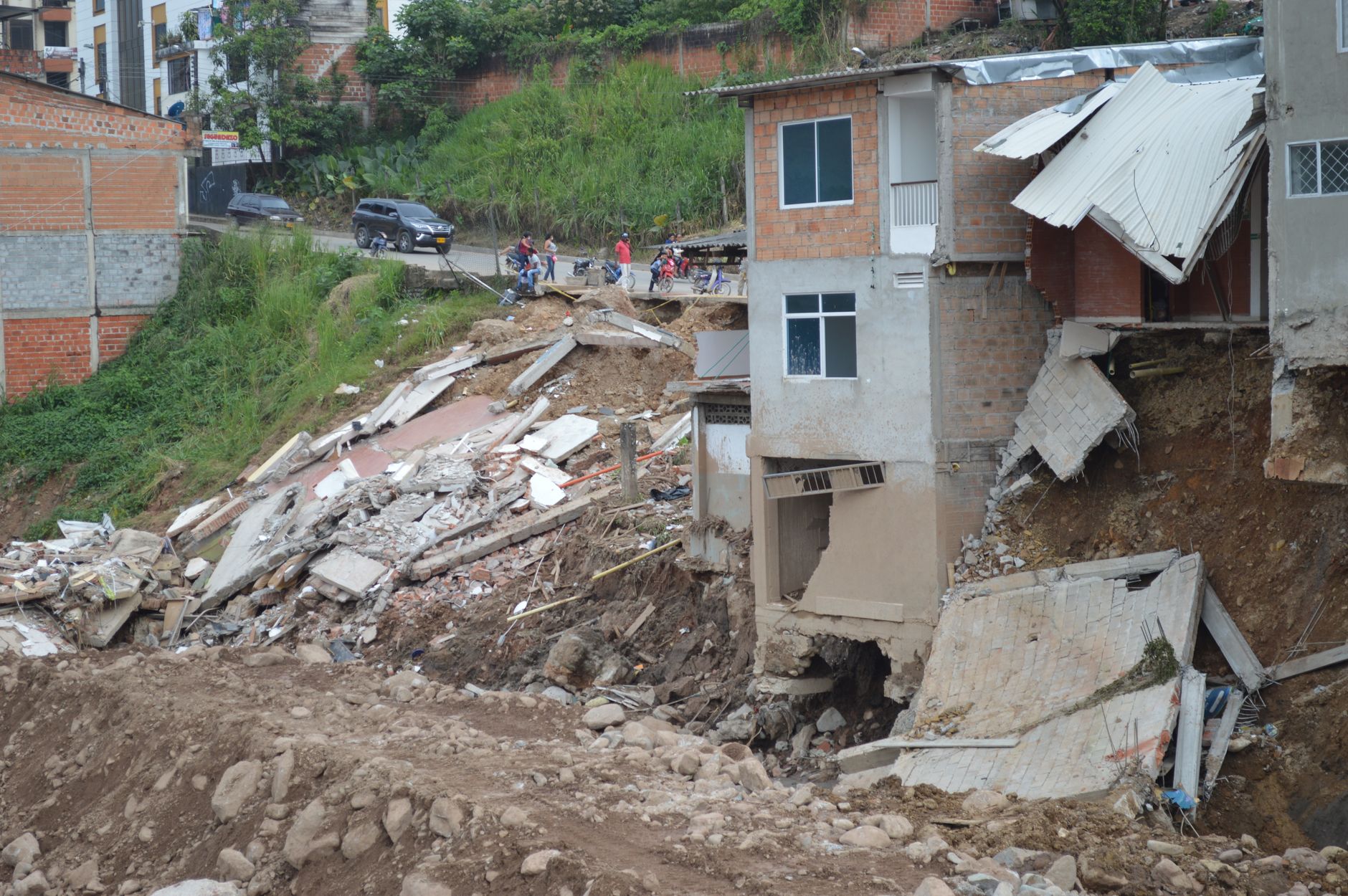
CARACAS — The woman’s hands were raw, nails torn. She clawed at a slab of concrete that used to be her kitchen. Somewhere underneath, she said, was her daughter. The rescuers with jackhammers told her to stand back. She didn’t listen. No one’s listening anymore.
Two earthquakes hit Venezuela on Wednesday, flattening entire neighborhoods and turning cities into morgues. The official death toll sits at 920, but that number feels like a guess. More than 51,000 people are missing. The 72-hour window when survivors are most likely to be found alive is closing. It’s already past 60 hours.
This isn’t a natural disaster. It’s a butcher’s bill.
Digging with their hands
In the coastal town of Cumana, rescue crews are overwhelmed. There aren’t enough heavy machines, so volunteers use shovels, crowbars, bare hands. Every few minutes, someone yells for silence. They listen for tapping, for crying, for breathing. Most of the time they hear nothing.
“We pulled three bodies out this morning,” said Miguel Torres, a firefighter who hasn’t slept in two days. “Then we heard a child. We dug for five hours. She was alive. That’s why we keep going.”
But the math is brutal. After 72 hours, survival rates drop to near zero without water. And water is scarce. Aid has trickled in from neighboring countries — Colombia sent rescue teams, Mexico promised supplies — but Venezuela’s infrastructure was already crumbling before the ground started shaking. Fuel shortages mean ambulances can’t reach remote areas. Power is out across half the country.
A system on its knees
President Nicolas Maduro declared three days of national mourning. He visited a collapsed hospital in Caracas and promised to rebuild. But the same government that couldn’t keep the lights on now faces a catastrophe that requires organization, transparency, and resources — none of which it has in abundance.
International aid offers have been made. The United Nations has pledged $10 million. But Venezuelan officials have been slow to accept help, insisting they can manage. They can’t. The first quake, a 7.3 magnitude, struck at 11:04 a.m. on Wednesday. The second, a 6.8, hit three hours later. By nightfall, thousands were dead and millions were homeless.
I’ve covered earthquakes before — in Haiti, in Nepal, in Turkey. There’s always chaos. But there’s also usually a functional chain of command. Here, it’s every person for themselves. Hospitals are overwhelmed. The morgues are overflowing. Bodies lie in the streets covered by blankets and tarps.
“We pulled three bodies out this morning. Then we heard a child. We dug for five hours. She was alive. That’s why we keep going.” — Miguel Torres, firefighter
The missing 51,000
The number of missing — 51,000 — is staggering. It’s not a typo. That’s roughly the population of a small city. Some are likely dead, buried under rubble that will take weeks to clear. Others may be displaced, wandering aimlessly, unable to contact family because phone lines are down. But even the most optimistic projections say the final death toll will be much higher.
In the state of Sucre, entire villages have been reduced to rubble. Aerial photos show blocks of collapsed houses, dust clouds, and tents. The government says it has set up 200 shelters, but many are in schools that were damaged themselves. People sleep in the open, afraid of aftershocks. There have been more than 40.
I spoke to a man named Carlos Rivas on the outskirts of Caracas. He lost his wife and two children. He was at work when the quake hit. “I ran home for two hours,” he said, voice flat, eyes empty. “When I got there, nothing. Just dust. I dug until my hands bled. I found my wife’s shoe.” He held up a black sandal, caked in dirt. Then he walked away.
What comes next
The rescue window closes in 12 hours. After that, the mission shifts from rescue to recovery. That’s when the real counting begins. The government will release numbers — they always do — but don’t trust them. In the 2010 Haiti earthquake, officials initially said 150,000 died; later estimates ranged up to 300,000. Venezuela’s numbers will be similarly unreliable.
The country was already in crisis. Hyperinflation, food shortages, political turmoil. The earthquakes didn’t create this disaster; they just exposed it. The ruling party’s incompetence, the decay of public services, the corruption that siphoned money meant for disaster preparedness — it’s all on display now, under collapsed buildings and broken lives.
International help is coming, but slowly. The U.S. offered $2.5 million in aid — a drop in the bucket. China sent a team of 50 specialists. Russia, a longtime ally, promised military engineers. But even if all the aid arrives tomorrow, it won’t be enough. The damage is too vast. The need is too deep.
I watched a woman sit on a pile of rubble, her back to the sky, holding a photograph of her husband. She wasn’t crying. She was just staring at the picture, tracing his face with her finger. The sun was going down. The temperature was dropping. She didn’t move.
And that’s the thing about earthquakes. They don’t just kill people. They strip away everything — homes, families, dignity, hope. They leave behind a landscape of ruins and a population in shock. Venezuela will be digging out for years. And some things will never be found.