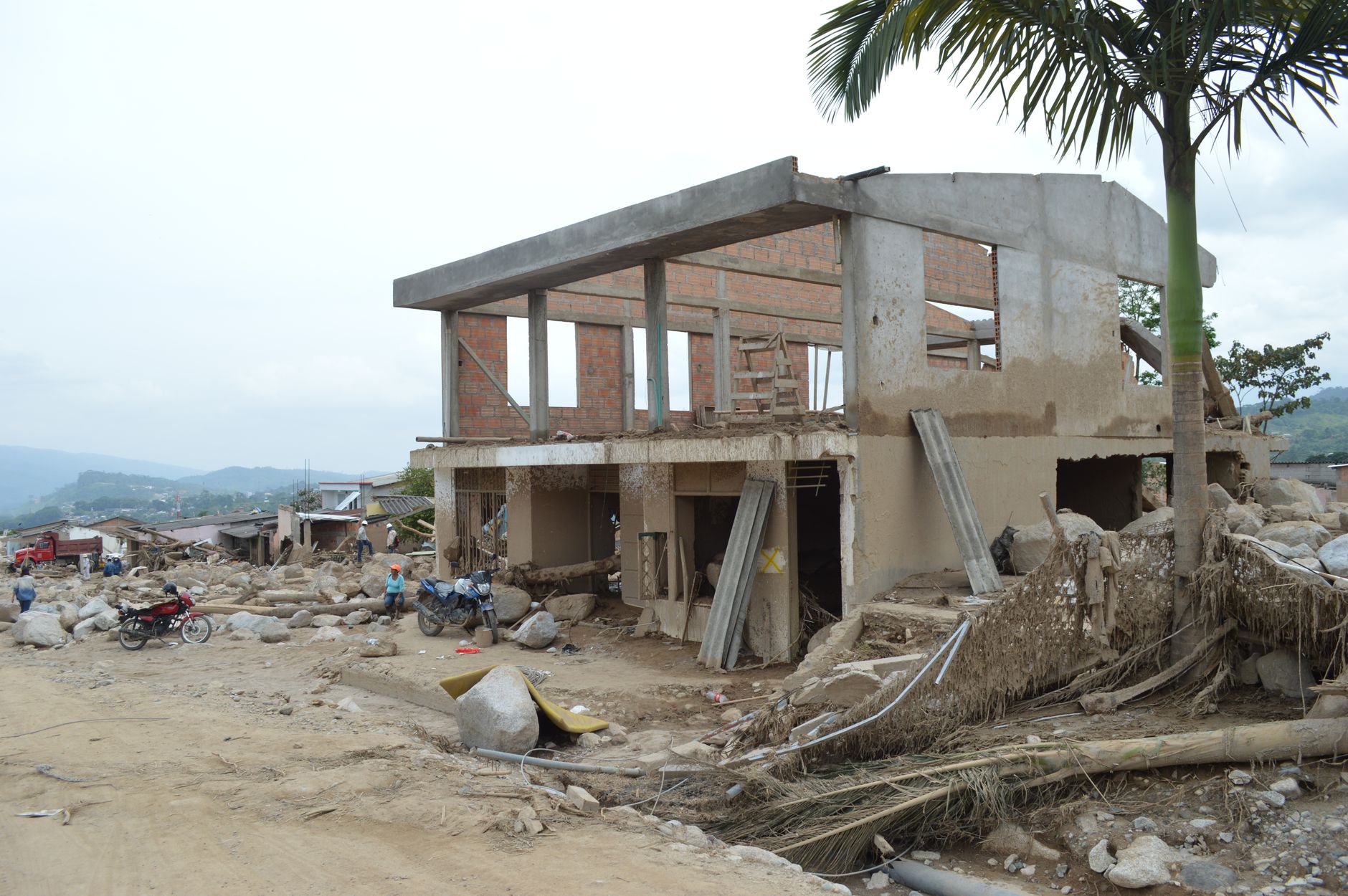
You could hear the excavator before you saw it. The grinding of metal against concrete cut through the hot, dusty air of Caracas. A crowd had gathered behind a yellow tape line, and a few women were shouting at the operators, begging them to stop. But the machines kept going. Another wall came down, and with it, any chance of finding what was left of their people.
It's been two weeks since the earthquakes — two quakes, a 7.1 and a 6.9, rattled through western and central Venezuela, killing at least 843 people and leaving thousands missing. Now, the government has ordered the demolition of unstable buildings across the affected zones. In theory, it's a safety measure to prevent further collapse. In practice, it's become a graveside bulldozer.
“They're not letting us search,” says Marisol Rojas, 52, who lost her daughter and two grandchildren in the first quake. She's been camping outside what used to be a five-story apartment block in the city of Mérida. That's where her family's remains are. “They said it was too dangerous. But they're not even letting us close to look. They just keep pushing the rubble around like it's nothing.”
I've covered earthquakes in Haiti, Nepal, and Japan. I've seen governments do stupid things in the name of expediency. But what's happening here feels different. It's not just about clearing debris — it's about making the problem disappear, and in the process, erasing the last physical evidence of the missing.
The Great Erasure of Grief
Local authorities say the demolition is necessary. They cite the risk of collapse, the danger to rescue workers, and the need to get the city moving again. In a press conference last Tuesday, the Minister of Public Works said, and I quote: "We cannot allow these eyesores to remain. The priority is the living."
But that's a false choice. You can keep the living safe without wiping away the dead. In any decent disaster response, there's a careful balance between safety and the search for remains. Here, there's no balance. The machines are moving faster than the forensic teams.
Human rights organizations have raised alarms. Forense Venezuela, a local NGO that works on disaster victim identification, says that at least 1,200 people are still unaccounted for. Their team has been denied access to several sites, including the one where Marisol's building stood. In a statement, the group said: "The demolition is effectively a mass unmarked burial."
I asked government officials for comment. One press officer told me that "the search efforts are ongoing in designated areas." But that's not what I saw. What I saw was a line of bulldozers, not a field of forensic workers. What I saw was rubble being loaded onto trucks and hauled away to an undisclosed military site.
“They're not letting us search. They just keep pushing the rubble around like it's nothing.”
Politics Over People
Here's the thing: Venezuela is in the middle of an election year, and the government of President Maduro is desperate to project normalcy. Earthquakes are bad optics. Demolished neighborhoods are worse. So they're doing what they always do when things get messy — they're sweeping it under the rug, literally.
But this isn't just about optics. It's about control. By controlling the narrative of the disaster, the government controls what the world sees. They can claim the death toll is lower than it actually is. They can claim rescue efforts were a success. They can claim that they're cleaning up efficiently, when in reality they're destroying evidence.
I've seen this pattern before. After the 2010 Haiti earthquake, there were unwarranted demolitions, but at least they were met with public outrage and eventually stopped. Here, there's no such pushback, because the free press is nearly nonexistent. Journalists who try to report from the affected zones have been detained or have had their equipment confiscated by the military.
One local reporter, who asked to remain anonymous, told me: "If I go near the sites, they threaten to take my accreditation. They say it's a security matter. But the only security they care about is their own."
What Is the Cost?
So what does this demolition actually cost? Let's start with the obvious: the lives that are never properly buried, and the families who will never have closure.
“I just want to bury my daughter,” Marisol says. She's clutching a small photo of her daughter, Ana, smiling in a graduation gown. “She was going to be a doctor. Now I can't even find her bones. They're probably in a landfill right now.”
But the cost goes deeper than personal grief. Psychologists say that unresolved disappearance can lead to complicated grief, depression, and post-traumatic stress for survivors. In a country already traumatized by economic collapse and political violence, this new burden could be crippling.
And then there's the fiscal cost. The government is spending millions on demolition, but they're spending almost nothing on psychological support for the survivors. Instead of bulldozers, they could be bringing in counseling teams, family liaison officers, and forensic anthropologists. But that doesn't make for good campaign footage.
The Evidence Is Gone
There's another, darker layer here. In many mass casualty events, forensic evidence is used to hold perpetrators accountable. If the buildings were unsafe due to corruption — and there are allegations that many of the collapsed structures were built with substandard materials and no proper permits — then that evidence is now being trucked away.
Several engineers have told me that the government could have performed structural assessments and controlled demolitions, carefully sifting through the rubble for evidence of code violations. Instead, they took the easy way out. The demolition is not just a tragedy; it's a cover-up.
I put this to the Minister of Public Works in a brief exchange after a public event. He dismissed the idea, calling it "conspiracy theory." But his smile was tight, and he walked away before I could ask a follow-up. I've seen enough to know when someone's hiding something.
The Wait Goes On
As I write this, the bulldozers are still working in Mérida. The dust is still rising. And Marisol is still waiting at the barrier, clutching her photo, hoping for a miracle that will never come.
The question you have to ask yourself is this: if the government can erase these people's last traces so easily, what does that say about the value they place on their citizens' lives?
In Venezuela, it seems, the dead are just another obstacle to progress. And progress means a clean slate, no questions asked.
I've covered many disasters. I've seen hope and resilience, but I've also seen callousness. This is the worst kind — the kind that pretends to be helpful while it buries the truth.
The search for bodies may be over for the officials, but for the families, it will never end. And that is the real tragedy of Venezuela's demolition.