You can smell the disaster before you see it. Stale sweat, rotting garbage, the metallic tang of untreated sewage. In a makeshift gymnasium-turned-shelter in northeastern Venezuela, 400 people sleep shoulder-to-shoulder on mats stained with God knows what. No running water. Two portable toilets for everyone. A single doctor who shows up every other day.
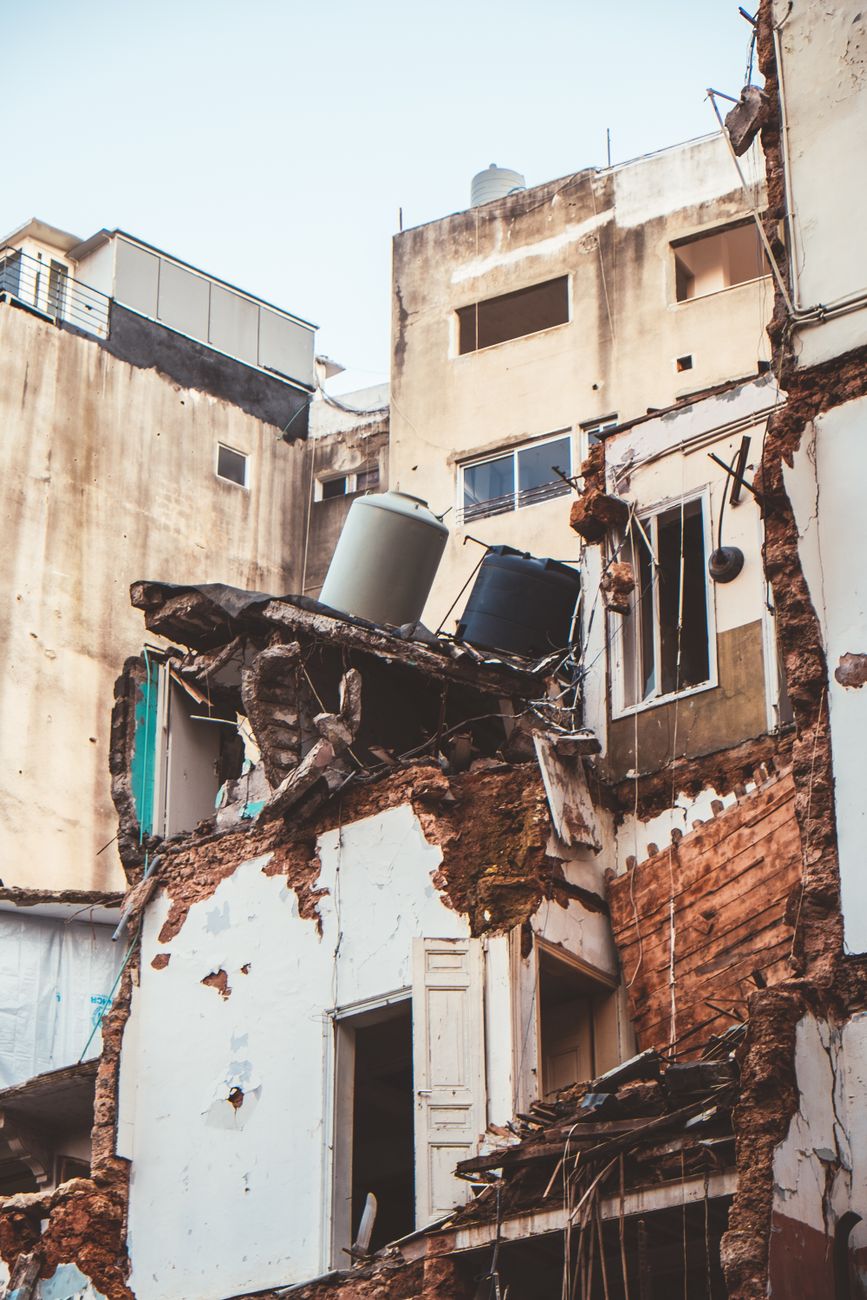
This isn't a refugee camp in a war zone — it's a concrete box in the city of Maturín. And it's one of the lucky places still standing after two earthquakes hit Venezuela in four days last week. The first, a magnitude 6.8, turned coastal towns into rubble piles. The second, a magnitude 6.2, finished the job inland. The government says 38 people died. Aid workers on the ground say that number is low, and they're more worried about the living than the dead.
“We are looking at a public health time bomb,” says Marisol Rojas, a Médecins Sans Frontières coordinator who just returned from a shelter in Cumaná. “People are drinking from contaminated wells. Children are sleeping on concrete with no mosquito nets. If we don't get clean water and sanitation in the next week, we will see a cholera outbreak.”
Overcrowding in a broken system
Venezuela's health care system was barely functioning before the ground shook. Hospitals lack antibiotics, basic surgical supplies, and reliable electricity. Doctors earn twenty dollars a month — if they get paid at all. The earthquakes have pushed a collapsing system over the edge.
Official figures show 82,000 people displaced. Unofficial estimates go higher. The government has set up 300 shelters, but many are schools, sports centers, and warehouses never designed for human habitation. The Red Cross says half lack running water. A third have no working toilets.
In the port city of Barcelona, I spoke to a woman named Carmen who lost her home in the first quake. She's been living in a school auditorium for six days with her three children. “My youngest, he's two years old, has diarrhea for three days,” she says, holding a crying baby who looks thin. “The nurse here says it's just a stomach bug. But there are ten kids with the same thing.”
“If we don't get clean water and sanitation in the next week, we will see a cholera outbreak.” — Marisol Rojas, MSF coordinator
Diarrhea is the red flag aid workers watch for. In overcrowded shelters with poor hygiene, it spreads like wildfire. Dehydration kills children fast. A simple oral rehydration solution can save lives, but supplies are running out.
The water crisis
Venezuela's water infrastructure was crumbling before the earthquakes — intermittent service, broken pipes, untreated supplies. The quakes shattered what remained. In Sucre state, where the first quake hit hardest, the main water treatment plant is offline. Trucks deliver water to some shelters, but not enough.
“We're rationing water — half a liter per person per day for drinking and cooking,” says Pedro Alcantara, a water engineer with UNICEF. “That's not enough for hygiene. People are not washing hands. They're not washing clothes. The latrines are overflowing.”
The result is a perfect breeding ground for disease. Hepatitis A, typhoid, leptospirosis, skin infections — all are on the rise. Local health clinics are reporting case numbers that would alarm any epidemiologist. But the government has not declared a health emergency, and international aid is slow to arrive.
Political paralysis
Venezuela's government has a history of downplaying crises and rejecting foreign help. After the first earthquake, President Nicolás Maduro appeared on state television to announce that “the situation is under control.” He urged citizens to stay calm and praised the “revolutionary spirit” of the people. Meanwhile, his critics say, officials blocked aid workers from entering certain areas.
The United States, the European Union, and several Latin American countries offered assistance. Most have been met with silence or bureaucratic hurdles. Medical supplies from the Pan American Health Organization are stuck at the airport in Caracas, waiting for customs clearance.
“The government says it doesn't need help,” says a Venezuelan doctor who works at a public hospital in Caracas and asked not to be named. “But our hospital has no IV fluids. We're reusing gloves. We can't handle a cholera outbreak, let alone a new disease.”
What comes next
Venezuela faces a grim calculus. The rainy season has started, which means mosquitoes breeding in standing water — and dengue fever cases will spike. The shelters are getting more crowded as people have nowhere else to go. And the government shows no sign of changing its approach.
Aid workers are preparing for the worst. MSF is setting up a cholera treatment center in Cumaná. The Red Cross is distributing water purification tablets and hygiene kits. But they're fighting uphill against politics, geography, and a broken state.
I asked Marisol Rojas what keeps her up at night. She didn't hesitate. “We don't have enough soap. We don't have enough latrines. We don't have enough medicine. And we don't have enough time.”
Here's the uncomfortable truth: the earthquakes didn't create Venezuela's health crisis — they just exposed it. A system that was already on life support has now been crushed by the rubble. The bodies from the quakes are being counted. The real death toll from what comes next could be far higher.