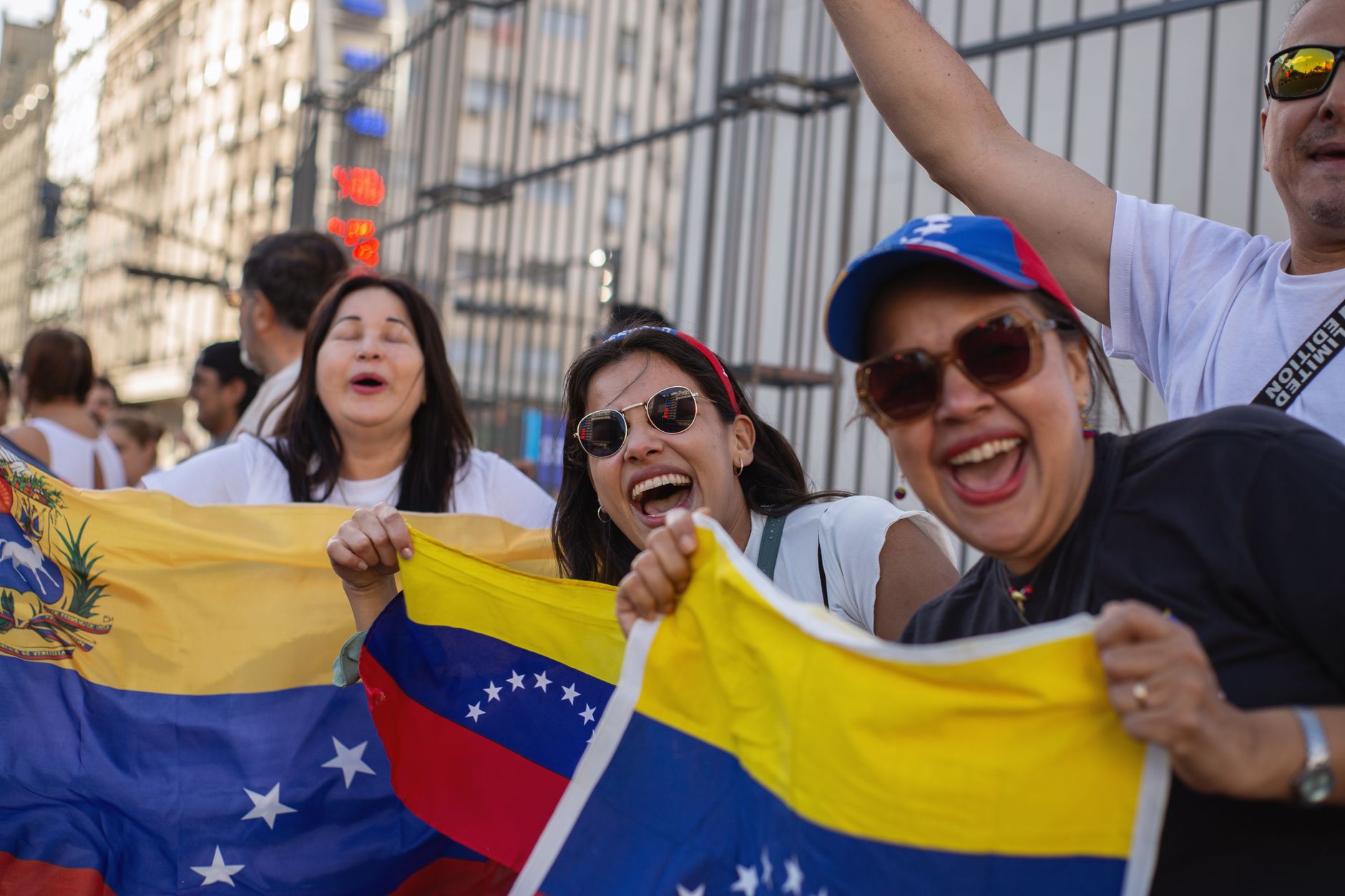
On Thursday morning, the ground didn't just shake in Venezuela. It opened up. Two earthquakes—one at 7.2 magnitude, the second a 6.9 aftershock—hit within hours of each other, turning already fragile cities into rubble. The death toll, as of Friday evening, stands at 312. That number will climb. The official count is always slower than the reality in a country where the government can't even keep the lights on.
This wasn't a random act of nature. It was a punch to the gut of a nation that was already doubled over. Hyperinflation, blackouts, a collapsed healthcare system—Venezuela was a patient on life support. The quakes just unplugged the machine.
A Disaster Layered on Collapse
Let's go straight to the numbers because they tell a story the regime doesn't want you to hear. The first quake hit at 9:47 AM local time, centered near the northern coast, about 40 kilometers from the city of Barcelona. The US Geological Survey pegged it at 7.2. The second, a 6.9, struck just over two hours later, closer to the capital, Caracas.
As of now, 312 dead, 1,900 injured, and over 15,000 buildings damaged or destroyed. But those are government figures. In Venezuela, government figures are like hotel mini-bar prices—arbitrary and inflated with hope. Real numbers? Ask the rescue workers digging through the rubble of a collapsed apartment block in Maturín. They'll tell you they've pulled out 47 bodies from one building alone. Multiply that by the dozens of collapsed structures, and you start to get the picture.
The hardest-hit areas are the states of Anzoátegui, Monagas, and Sucre—places where poverty was already a permanent resident. In Barcelona, the historic center is gone. Churches that stood for 300 years are now piles of stone and dust. In Cumaná, the hospital—the only one serving a region of 500,000 people—collapsed. Patients who survived the quake died in the streets because there was nowhere to take them.
The Government's Response: Too Little, Too Late, Too Political
Nicolás Maduro appeared on national television within hours. He declared a state of emergency. He promised resources. He blamed the United States—of course he did—claiming the quakes were part of a "psychological war" against Venezuela. This is a man who sees conspiracy in a rainstorm. When your country is bleeding, you don't blame the weather; you grab a tourniquet.
Meanwhile, the military has been deployed, but they're not digging through rubble. They're guarding food warehouses. Because in Venezuela, the first thing that breaks after a disaster is not the buildings—it's the trust. People are already reporting looting, not of electronics, but of basic necessities: water, flour, medicine. The government's response has been militarized distribution centers, which in practice means long lines, armed guards, and the same corruption that existed before the ground shook.
International aid has been offered—Mexico sent a search-and-rescue team; the UN pledged $15 million. But aid entering Venezuela is a political minefield. Maduro's government has historically blocked or delayed humanitarian shipments, fearing that foreign presence exposes its incompetence. Will he do it again? If past is prologue, expect bureaucracy. Expect red tape. Expect bodies to pile up while officials argue over paperwork.
The Infrastructure That Wasn't
Here's the dirty secret about Venezuela's buildings: they were already falling apart. Years of neglect, corruption in construction, and a complete lack of maintenance meant that many structures were ticking time bombs. When the quake hit, they didn't stand a chance.
Engineers are already pointing out that the building codes—if they can even be called that—were routinely ignored. In the working-class neighborhoods of Petare and Libertador, homes built on hillsides with cheap concrete and no reinforcement simply slid down the slopes. In the wealthier areas of Caracas, modern high-rises swayed but held. Classism in disaster: the rich die slower.
The power grid, already a national joke, failed instantly. As of Friday, 70% of the affected region is without electricity. Without power, water pumps don't work. Without water, sanitation collapses. Without sanitation, disease follows. Cholera, typhoid, dengue—these are not hypotheticals. They are the next wave of this disaster.
What Comes Next: A Test of Humanity
Venezuela is now facing its worst natural disaster in a century. But here's the thing about disasters: they expose not just geological faults, but societal ones. The cracks were already there. The quakes just made them visible.
The immediate needs are clear: rescue equipment, medical supplies, clean water, temporary shelter. The international community is responding, but the bottleneck is always the same—a government that sees aid as a threat to its control. The question is whether Maduro will let help in, or whether he'll let his people die to save his pride.
I've covered disasters in failed states before. In Haiti after the 2010 earthquake, the aid was there, but the government wasn't. The result was chaos, cholera, and a decade of suffering. Venezuela is not Haiti—it has oil, resources, and a more functional state. But it has a regime that has systematically dismantled every institution that could respond to a crisis. The military is political. The healthcare system is a memory. The civil defense is underfunded and undertrained.
“The buildings fell because the corruption built them.” — Civil engineer María González, speaking from a makeshift shelter in Barcelona.
That quote sums it up. The corruption built them. The corruption built the hospitals that collapsed. The corruption built the roads that are now impassable. The corruption built the political system that is now more concerned with staying in power than with saving lives.
So what do we do? We watch. We report. We hold the feet of power to the fire. And we remember the 312—and counting—who died not just because the earth moved, but because a government failed them long before the first tremor.
If you're reading this and want to help, donate to organizations like Doctors Without Borders or the Red Cross—they're on the ground, and they know how to work around the blockades. But don't expect a quick fix. This is a slow-motion tragedy that just got a sudden jolt. The rebuilding will take years. The reckoning will take longer.
Venezuela was already a country in ruins. Now, the ruins have ruins.