The ground hadn't stopped shaking before the second one hit. Northern Venezuela is reeling after a pair of powerful earthquakes struck within 24 hours, collapsing buildings, trapping hundreds, and leaving communities scrambling for survival. The first quake, a magnitude 7.1, rattled the coastal state of Falcón at dawn. Residents barely had time to catch their breath before a second, 6.8-magnitude tremor slammed the same region just before midnight.
As of Thursday morning, officials put the death toll at 73 and climbing. Rescuers are racing against the clock, digging through pancaked structures with bare hands and shovels. The real number? No one knows yet. In a country already crippled by economic collapse and crumbling infrastructure, this disaster is a knockout punch.
The Ground Never Settled
When the first quake hit at 6:47 a.m., people in the coastal city of Coro poured into the streets. Some were still in pajamas. Others carried children and elderly relatives. The shaking lasted 45 seconds — an eternity in seismic terms. Walls cracked. Power lines snapped. The colonial-era Santa Ana Cathedral lost part of its bell tower.
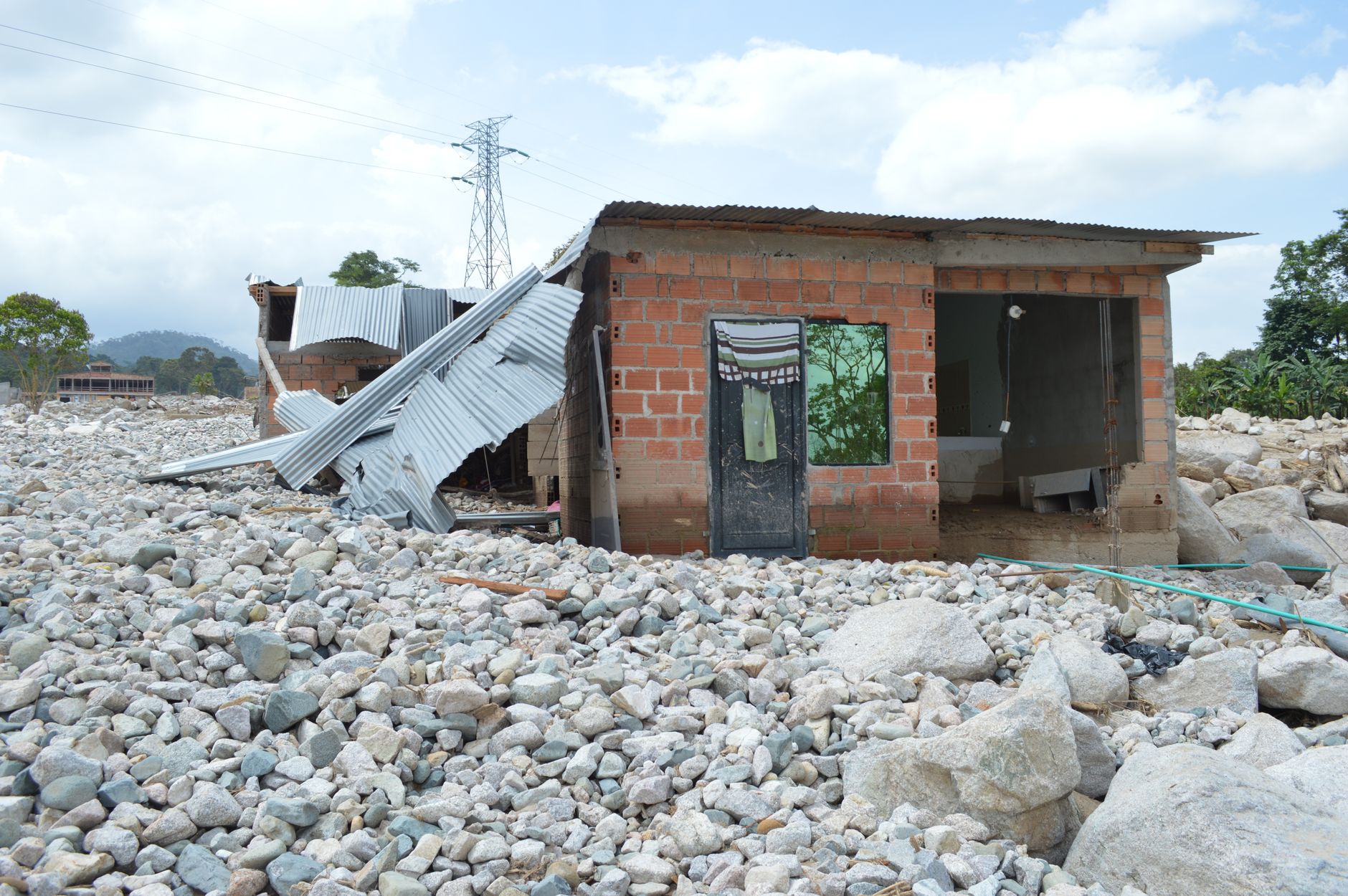
Then came the second quake. At 11:34 p.m., as many had returned indoors, the ground lurched again. This time, buildings that had survived the first shock collapsed. In the town of Pueblo Nuevo, a three-story apartment block turned into a pile of concrete and dust. Neighbors say they heard screams for hours.
“We were checking on our grandmother when the second one hit. The whole building came down like a house of cards.” — Carlos Mendez, resident of Pueblo Nuevo
Seismologists say the double punch isn't unusual — aftershocks can be almost as strong as the main event. But for Venezuelans, the timing couldn't be worse. The country's hospitals, already short on medicine and electricity, are overwhelmed. Morgues have run out of space.
A Government in Crisis Mode
President Nicolás Maduro declared a state of emergency and deployed 5,000 troops to the affected areas. But in a nation where fuel shortages are chronic and the military is more focused on suppressing dissent than saving lives, the response has been chaotic. Aid trucks have been seen stuck at checkpoints, waiting for paperwork that never comes.
International offers of help are pouring in — from the Red Cross, the UN, and neighboring Colombia. But Venezuela's political isolation means many aid groups are wary of working with the government. The US, which has sanctions on Maduro's administration, has pledged $2 million in emergency aid, but distribution remains a sticking point.
Meanwhile, ordinary Venezuelans are doing the work. In Coro, neighborhood brigades formed within hours. They're using crowbars, flashlights, and WhatsApp to coordinate rescues. In one viral video, a group of teenagers pulls a woman from the wreckage of a bakery. She's alive.
Infrastructure on Its Knees
Venezuela's infrastructure was already on life support. Rolling blackouts are routine. The water system is a patchwork of broken pipes. Roads are cratered. Now add two earthquakes to the mix. In the state of Falcón, 80% of roads are impassable, according to local officials. The main highway connecting Coro to the capital, Caracas, is split open in three places.
The power grid is down across the region. Diesel generators at hospitals are running out of fuel. Doctors at Coro's main hospital are performing surgeries by flashlight. One nurse told local media they're using plastic bags for gloves.
“We have no water, no electricity, no fuel. We're back to the 19th century.” — Maria Gonzalez, Coro resident
Seismic experts warn that the region could see more tremors in the coming days. The US Geological Survey has recorded dozens of aftershocks, some as strong as 5.2. The message from relief agencies: don't go back inside. But for many, there's nowhere else to go.
The Human Toll
Numbers don't capture the horror. The 73 dead include 12 children. More than 800 are injured. Thousands are homeless. In the fishing village of Adícora, the quakes turned the main square into a tent city. Families sleep on blankets under the stars, with nothing but the clothes on their backs.
Survivors are digging through rubble with their hands. They're looking for loved ones, but also for documents, money, anything salvageable. The air smells of dust and decay. In the distance, you can hear the occasional explosion — a gas leak igniting, or a building being demolished to prevent it from falling on its own.
And then there's the psychological toll. For a nation that has endured years of hyperinflation, food shortages, and political violence, the earthquakes feel like a final straw. Many are asking: how much more can we take?
Venezuela's twin quakes are a tragedy of a country already on its knees. The international community is watching, and for once, the politics of aid might just take a backseat to the simple, desperate need to save lives. But in a place where nothing is simple, even rescue is a political act.