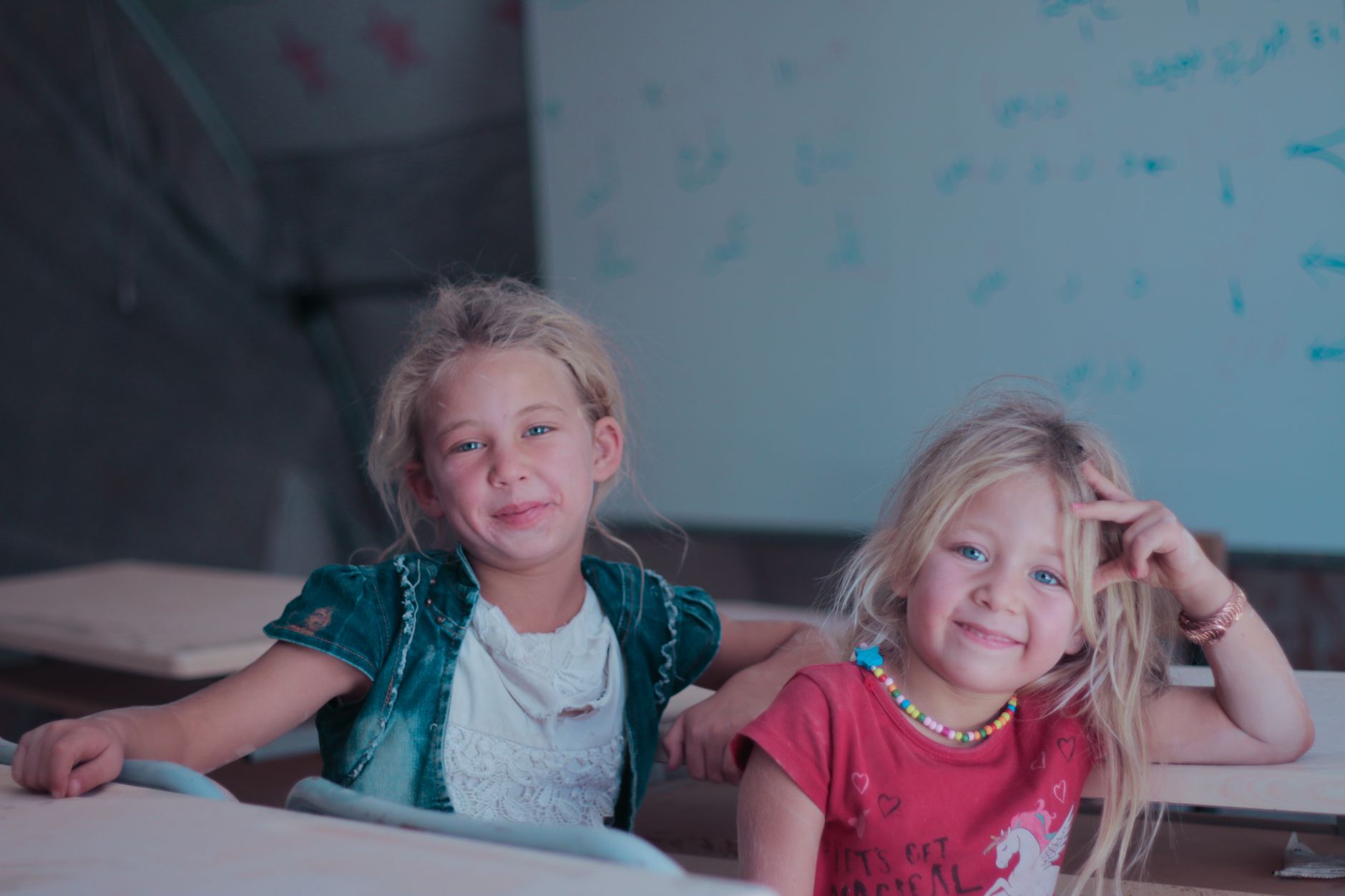
Mariam, age 9, hasn’t slept through the night in two years. Not since the soldiers came. They kicked down her family’s door at 3 a.m., looking for her older brother. They didn’t find him. But they left something behind: a hole in the wall, a broken cabinet, and a fear that wakes her up at every creak.
She’s one of thousands. A new UN report dropped last week, and the numbers are brutal. Over the past 18 months, Israeli military operations in the occupied West Bank have killed 40 Palestinian children. Wounded 300 more. Detained 700. Some as young as 12. The report calls it a “systematic pattern” of violence against kids. The Israeli government calls it necessary security. Let’s call it what it is: a generational wound.
Childhood interrupted
You want to know what “shock and awe” looks like to a 7-year-old? It’s not missiles on TV. It’s a soldier screaming in your living room. It’s your father handcuffed on the floor. It’s hiding under a bed while boots stomp through the house. The UN report documents 142 cases of night raids since January 2025. In 80 percent of those, children were present. Most were under 10.
Take Dheisheh refugee camp, south of Bethlehem. On a Tuesday in March, Israeli forces rolled in at 2 a.m. They used sound grenades. They smashed windows. They dragged out three teenagers. A neighbor’s 5-year-old daughter started vomiting from panic. Her mother told researchers: “She thinks every soldier is coming to take me away.” That’s the psychological wreckage the report calls “toxic stress.” It rewires a child’s brain. It makes them hypervigilant. It steals their sleep, their appetite, their trust.
“The children of the West Bank are not collateral damage. They are targets.” — UNICEF spokesperson
The detention crisis
Then there’s the detention numbers. Seven hundred kids in 18 months. That’s more than one a day. Most are held for “stone-throwing” or “disturbing the peace.” But here’s the kicker: under Israeli military law, children as young as 12 can be tried in military courts. They get handcuffed, blindfolded, interrogated without a lawyer. A 14-year-old from Hebron told UN investigators he was kept in a cell for 12 days. He was denied food for the first 24 hours. He signed a confession in Hebrew, a language he doesn’t speak.
Israel says it follows the law. The UN says those laws violate the Convention on the Rights of the Child. Which is fancy talk for: we’re locking up kids and calling it justice.
School under siege
You can’t learn when you’re scared. The report found that 1 in 3 schools in the West Bank has been affected by military operations. Soldiers have raided classrooms. They’ve used schoolyards as staging grounds. They’ve fired tear gas into playgrounds. In Jenin, a teacher told researchers her students can’t focus on math. They’re too busy checking if the door is locked.
A 10-year-old girl from Nablus wrote in a diary shared with the UN: “I want to be a doctor. But the soldiers come. I forget my lessons.” That’s not just a sad quote. That’s a future erased. The West Bank already has a youth unemployment rate above 40 percent. What happens when an entire generation can’t finish school?
A permanent emergency
The UN report calls for an immediate halt to night raids and military detention of minors. Will that happen? Don’t hold your breath. The Israeli government has already dismissed the report as “biased” and “politicized.” Meanwhile, the Palestinian Authority is also part of the problem — they’ve detained kids too, though far fewer. So we’re stuck in a loop of violence, where children are the ones paying.
I’ve been to the West Bank. I’ve seen the fear in parents’ eyes. But what stuck with me most was a boy in Qalandia, maybe 8 years old. He was playing soccer with a deflated ball in a narrow alley. His team was three kids and a goat. He laughed. Then a drone buzzed overhead. He froze. His eyes went glassy. He grabbed his mother’s hand and didn’t let go.
“We are raising a generation that knows how to hide, but doesn’t know how to dream.” — Palestinian child psychologist
That’s the real tragedy. Not just the dead and the wounded. Not just the 700 kids who’ve seen the inside of a detention cell. It’s the millions who are learning that the world is dangerous, that adults are enemies, that safety is a lie.
What now?
There’s no easy fix. A ceasefire won’t undo the trauma. A UN resolution won’t make a 9-year-old sleep through the night. But here’s a start: admit the scale of the damage. Stop calling it “collateral.” Name it for what it is — a war on childhood. The report is a document. The kids are real. And they’re still waiting for the soldiers to stop kicking down doors.
Mariam’s mother told the UN interviewer: “Our life stops when they come. And every night, they come again.” Until we see that — really see it — nothing changes. The raids continue. The kids keep hiding. And another generation learns that the sound of boots is the sound of everything ending.