Tehran just did something that no amount of State Department cables could have predicted. It walked away from the negotiating table while Israel was still dropping bombs on southern Lebanon. And the only people surprised by this are the ones who've been reading their own press releases.
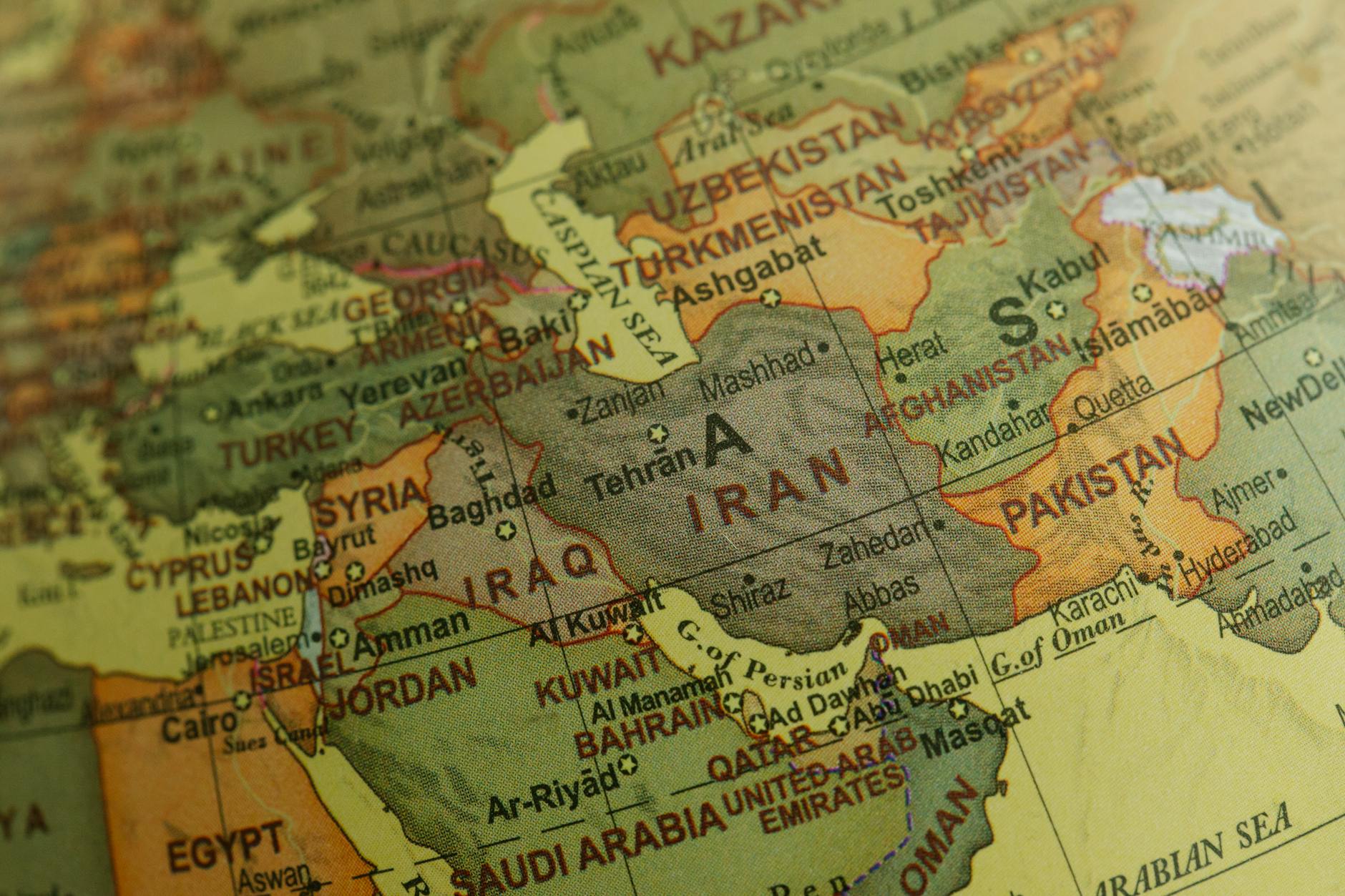
The talks were supposed to happen this week in Muscat. Oman, as always, playing the gracious host. The agenda was the nuclear deal, the sanctions relief, the usual dance. But Iran's foreign ministry spokesman said what everyone in the region has been thinking but no one in Washington would admit: "As long as the aggression on Lebanon continues, there will be no talks."
The Message That Landed Like a Bomb
That statement didn't just stall diplomacy. It detonated the entire framework that US negotiators have been building since the last round of Vienna talks collapsed. Because here's the thing Iran understands that America doesn't: you can't talk peace in one country while you're bombing another.
The Israeli strikes on Lebanon aren't some minor skirmish. They're a full-blown campaign — targeting what Israel calls "Hezbollah weapons depots" and what anyone with a map calls civilian neighborhoods near the Litani River. The death toll has climbed past 80 in the last week alone. Hospitals are overflowing. The UN is issuing statements that nobody reads.
"You can't ask someone to sign a ceasefire deal when their neighbor's house is on fire." — veteran Middle East negotiator, speaking on condition of anonymity
The Nuclear Clock Is Still Ticking
Let's not pretend this is about altruism. Iran isn't canceling talks because it cares about Lebanese sovereignty. It's canceling because the calculus shifted. With Israeli jets in the air and American bombs in the pipeline, any Iranian official who sat down with the US right now would be committing political suicide. The hardliners in Tehran would have a field day — "Look, they negotiate while we burn."
But here's what the White House missed: Iran has been using the talks as a pressure valve. As long as negotiations were happening, the regime could sell the idea of relief to its people. Now that the talks are off, the valve is closed. And the pressure is building.
What Happens Next
Three things. First, Iran accelerates its nuclear program. Not because it wants a bomb — though it might — but because it needs leverage. Without talks, the only card left on the table is enriched uranium. Expect the next IAEA report to show a jump to 80% purity. Not weapons-grade, but close enough to make Washington sweat.
Second, Hezbollah gets a green light. Not a direct one — Iran is too smart for that. But the message is clear: we have your back. If Israel keeps hitting south Lebanon, the rockets that start flying toward Haifa won't be a surprise. They'll be a response.
Third, the Gulf states start hedging. Saudi Arabia, the UAE — they've been watching this dance with increasing alarm. They want the US nuclear umbrella, but they also see a region on fire. Don't be shocked if Riyadh makes some quiet calls to Beijing and Moscow. The Americans are losing their grip.
The Human Cost They Don't Count
In the village of Tayr Harfa, just north of the Israeli border, a woman named Fatima lost three children last Tuesday. She was making dinner when the airstrike hit. The house was sheltering a family displaced from another village. Now there's a crater where the kitchen used to be.
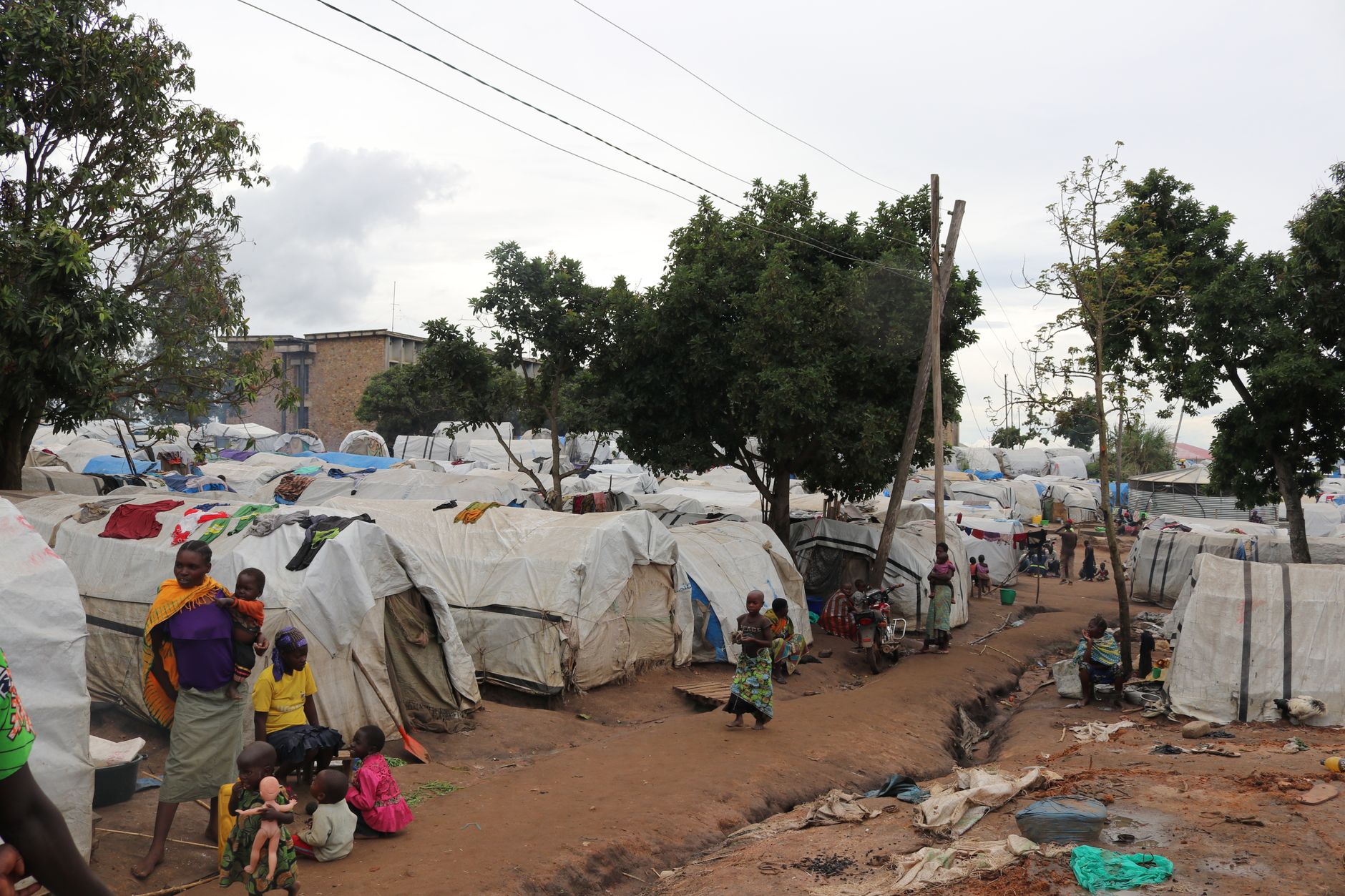
Fatima doesn't care about the nuclear talks. She doesn't care about enrichment levels or sanctions relief. She wants the bombs to stop. And she's not alone. Across southern Lebanon, entire communities are packing whatever they can carry and heading north. The roads are clogged with cars and donkey carts. The schools have become shelters. The hospitals are running out of supplies.
This is the reality that no press release from the State Department can capture. When Iran says it won't talk while Lebanon burns, it's not some cynical diplomatic maneuver. It's a reflection of what happens when you treat a region like a chessboard — the pieces bleed.
The Bottom Line
The US-Iran talks are postponed indefinitely. Not canceled — because nobody wants to say that word. But postponed has a way of becoming permanent when the bombs keep falling. The nuclear deal is dead. The ceasefire is a joke. And the only thing left is the familiar grind of a region that has learned to live with war.
Maybe that's the truth no one wants to face: there is no diplomatic solution here. Not because diplomacy doesn't work, but because the people who hold the power don't want it to. Israel wants to destroy Hezbollah. Iran wants to bleed Israel. The US wants to contain both while pretending it's the honest broker. And Lebanon, as always, is the battlefield.
Fatima's children are dead. The talks are off. The bombs keep falling. And somewhere in Washington, a diplomat is drafting a statement that says nothing at all.